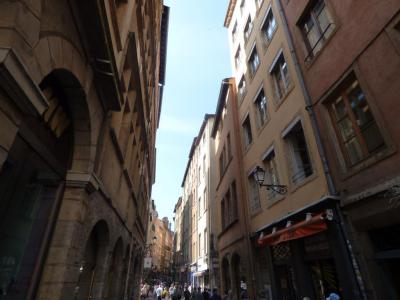


Rue Saint-Jean - Old Lyon Traboules, Lyon (must see)
Back in 1954, Lyon’s Old Town made history. It became the first city in France to receive protection under the Malraux Law, long before “heritage preservation” became fashionable dinner conversation. The law shielded three Renaissance neighbourhoods wrapped around Fourvière Hill, namely: Saint Jean, Saint Paul, and Saint Georges.
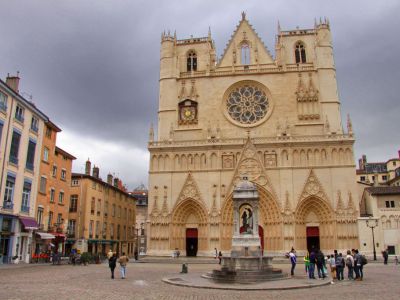
In the Middle Ages, Saint Jean was the place to be - politically, religiously, and strategically. Power lived here. Right at the heart of it stands Lyon Cathedral, alongside the Romanesque Manecanterie, the former choir school.
But the real local secret isn’t just above ground - it’s hidden in the walls. The first traboule, or foot tunnel, linked Saint-Jean Street to Government Square. Why? Because medieval streets were few, the hill was steep, and everyone needed quicker access to the Saône River for fresh water. When streets failed, ingenuity stepped in...
So, Lyon built passageways - traboules - hidden corridors threading through buildings, across courtyards, quietly connecting one street to another. In the 19th century, more were added. The silk workers - the famous Canuts - used them to carry delicate rolls of silk down to the river without exposing them to rain.
When those same workers rebelled in the 1830s against wealthy silk merchants, the traboules turned into strategic hideouts. Fast forward to World War II, and the tunnels once again proved useful - this time sheltering members of the French Resistance. Indeed, these walls have seen more secrets than a confessional.
Now, if you’re curious, head to 54 Rue Saint-Jean. Look for a modest green door with a small engraved sign reading “The Long Traboule.” It doesn’t shout for attention - it doesn’t need to. This is the longest traboule in Old Lyon. Cross the threshold, and you’ll pass through five courtyards and four different buildings, emerging on Beef Street, if you’re translating literally. It feels less like walking through a corridor and more like slipping through time.
Around 50 traboules are open to the public today. But many more remain hidden, known mostly to residents. And that’s the charm of Lyon - a city where history doesn’t just sit in monuments. It runs behind walls, under your feet, and occasionally behind an unassuming green door...
In the Middle Ages, Saint Jean was the place to be - politically, religiously, and strategically. Power lived here. Right at the heart of it stands Lyon Cathedral, alongside the Romanesque Manecanterie, the former choir school.
But the real local secret isn’t just above ground - it’s hidden in the walls. The first traboule, or foot tunnel, linked Saint-Jean Street to Government Square. Why? Because medieval streets were few, the hill was steep, and everyone needed quicker access to the Saône River for fresh water. When streets failed, ingenuity stepped in...
So, Lyon built passageways - traboules - hidden corridors threading through buildings, across courtyards, quietly connecting one street to another. In the 19th century, more were added. The silk workers - the famous Canuts - used them to carry delicate rolls of silk down to the river without exposing them to rain.
When those same workers rebelled in the 1830s against wealthy silk merchants, the traboules turned into strategic hideouts. Fast forward to World War II, and the tunnels once again proved useful - this time sheltering members of the French Resistance. Indeed, these walls have seen more secrets than a confessional.
Now, if you’re curious, head to 54 Rue Saint-Jean. Look for a modest green door with a small engraved sign reading “The Long Traboule.” It doesn’t shout for attention - it doesn’t need to. This is the longest traboule in Old Lyon. Cross the threshold, and you’ll pass through five courtyards and four different buildings, emerging on Beef Street, if you’re translating literally. It feels less like walking through a corridor and more like slipping through time.
Around 50 traboules are open to the public today. But many more remain hidden, known mostly to residents. And that’s the charm of Lyon - a city where history doesn’t just sit in monuments. It runs behind walls, under your feet, and occasionally behind an unassuming green door...
Want to visit this sight? Check out these Self-Guided Walking Tours in Lyon. Alternatively, you can download the mobile app "GPSmyCity: Walks in 1K+ Cities" from Apple App Store or Google Play Store. The app turns your mobile device to a personal tour guide and it works offline, so no data plan is needed when traveling abroad.
Download The GPSmyCity App



Rue Saint-Jean - Old Lyon Traboules on Map
Sight Name: Rue Saint-Jean - Old Lyon Traboules
Sight Location: Lyon, France (See walking tours in Lyon)
Sight Type: Attraction/Landmark
Guide(s) Containing This Sight:
Sight Location: Lyon, France (See walking tours in Lyon)
Sight Type: Attraction/Landmark
Guide(s) Containing This Sight:
Nearby Sights



Walking Tours in Lyon, France

Create Your Own Walk in Lyon
Creating your own self-guided walk in Lyon is easy and fun. Choose the city attractions that you want to see and a walk route map will be created just for you. You can even set your hotel as the start point of the walk.
Lyon Secret Passageways Walk
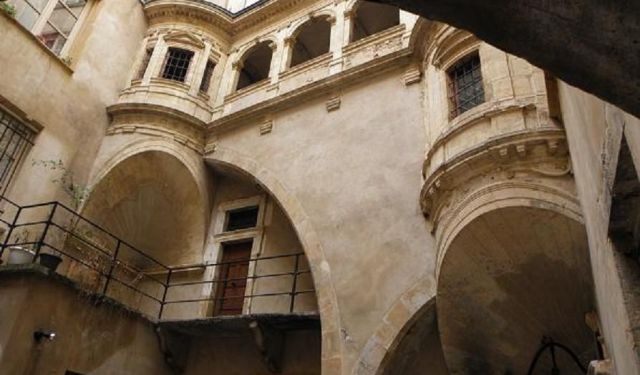
Lyon’s secret passageways, known as traboules, form a hidden network of covered corridors that wind through courtyards, staircases, and buildings, revealing a colourful and little-seen side of the city’s past. The name comes from the Latin trans-ambulare, meaning “to pass through,” and their origins date as far back as the 4th century, when the inhabitants of Lugdunum (ancient Lyon) used... view more
Tour Duration: 1 Hour
Travel Distance: 1.8 Km or 1.1 Miles
Tour Duration: 1 Hour
Travel Distance: 1.8 Km or 1.1 Miles
Food Tour in Lyon
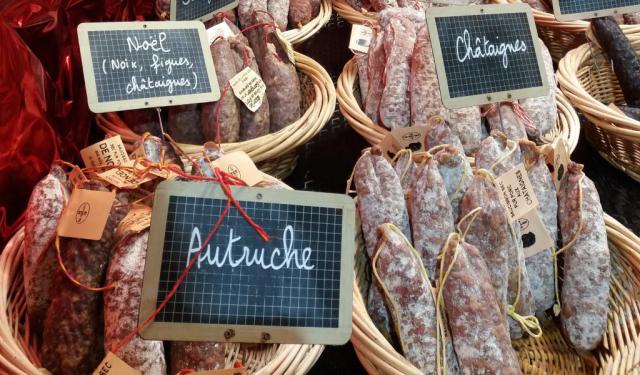
In addition to its architectural beauty, Lyon - often referred to as the gastronomic capital of France - boasts a vibrant culinary scene that will delight passionate foodies. An ideal place to discover French cuisine and fall in love with it, there is no shortage of addresses in Lyon to stock up on quality and delicious products.
At the heart of Lyon's culinary culture is the Paul Bocuse... view more
Tour Duration: 1 Hour
Travel Distance: 2.9 Km or 1.8 Miles
At the heart of Lyon's culinary culture is the Paul Bocuse... view more
Tour Duration: 1 Hour
Travel Distance: 2.9 Km or 1.8 Miles
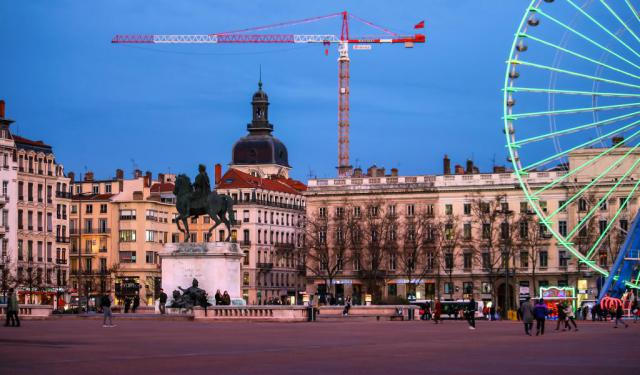
Lyon Old Town and City Center Walking Tour
If cities kept diaries, Lyon’s would have been over 2,000 years long - and still adding new chapters. Capital of the Auvergne-Rhône-Alpes region, Lyon sits confidently where the Rhône and Saône rivers meet, as if it chose the spot for dramatic effect. Founded in 43 BC as Lugdunum, a Roman settlement for war refugees, it quickly climbed the ranks to become the capital of Roman Gaul. Not bad... view more
Tour Duration: 2 Hours
Travel Distance: 2.8 Km or 1.7 Miles
Tour Duration: 2 Hours
Travel Distance: 2.8 Km or 1.7 Miles
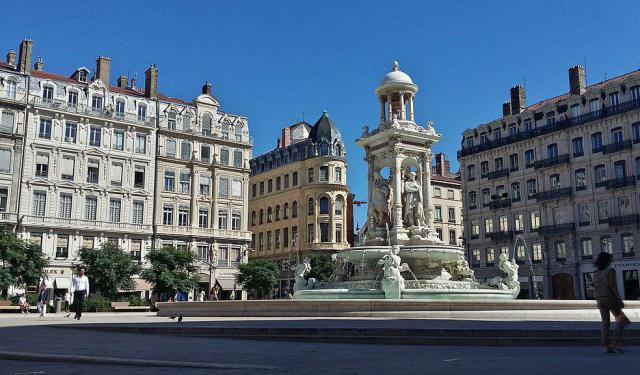
Lyon's Architectural Landmarks
Founded by the Romans in the 1st century BC, the charming French city of Lyon has played a major role in the political, cultural, and economic development of Europe for many years. The city's two millennia-long history is clearly imprinted in its urban fabric, manifested in numerous buildings of various epochs and styles.
Among the plethora of local architectural landmarks, the Ancient... view more
Tour Duration: 2 Hours
Travel Distance: 4.3 Km or 2.7 Miles
Among the plethora of local architectural landmarks, the Ancient... view more
Tour Duration: 2 Hours
Travel Distance: 4.3 Km or 2.7 Miles
Useful Travel Guides for Planning Your Trip
Gastronomic Delights: 10 Places to Buy Great Food in Lyon, France
The city of Lyon is famous for its contribution to the culinary arts. Here food lovers will find hundreds of specialty shops throughout the city offering some of the world's finest and award-winning products fit to delight any epicurean palate. Let your taste buds lead you on this voyage into...
City Walks Overview
