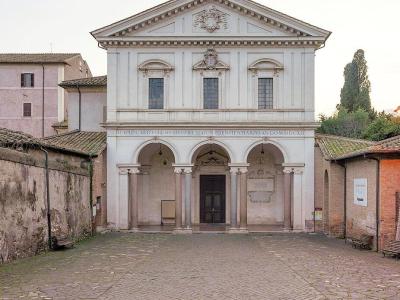


San Sebastiano fuori le mura (St. Sebastian Outside the Walls), Rome
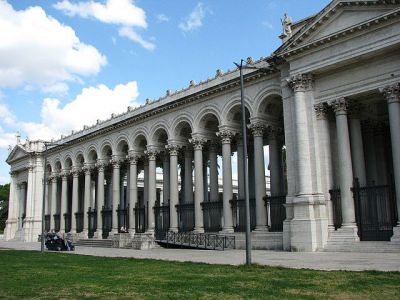
Built in the first half of the 4th century, this minor basilica is dedicated to Saint Sebastian, a Roman martyr from the 3rd century whose remains were moved here around 350. The location outside the Aurelian Walls gives it its full name, distinguishing it from another church of the same name on the Palatine Hill.
The basilica is also closely linked to the Catacombs of Saint Sebastian, over which it was constructed. These catacombs served as a temporary resting place for the remains of Saints Peter and Paul during the persecutions under Emperor Valerian in 258, before their relics were transferred to the basilicas named after them.
Over the centuries, the structure underwent several reconstructions. It was rebuilt after being destroyed during Saracen raids in the 9th century and saw significant changes during the 13th century when its arcade was walled in. The current building dates to the early 17th century, with major renovations under the commission of Cardinal Scipione Borghese.
Saint Sebastian was one of the Seven Pilgrim Churches of Rome, especially popular during the Seven Churches Visitation pilgrimage initiated by Saint Philip Neri in 1553. Though it was replaced on the list by another church in 2000, many pilgrims still visit due to its connection to the catacombs and its proximity to central Rome. The street linking it with the Basilica of Saint Paul Outside the Walls is aptly named "Via delle Sette Chiese" (Street of the Seven Churches).
The basilica is also closely linked to the Catacombs of Saint Sebastian, over which it was constructed. These catacombs served as a temporary resting place for the remains of Saints Peter and Paul during the persecutions under Emperor Valerian in 258, before their relics were transferred to the basilicas named after them.
Over the centuries, the structure underwent several reconstructions. It was rebuilt after being destroyed during Saracen raids in the 9th century and saw significant changes during the 13th century when its arcade was walled in. The current building dates to the early 17th century, with major renovations under the commission of Cardinal Scipione Borghese.
Saint Sebastian was one of the Seven Pilgrim Churches of Rome, especially popular during the Seven Churches Visitation pilgrimage initiated by Saint Philip Neri in 1553. Though it was replaced on the list by another church in 2000, many pilgrims still visit due to its connection to the catacombs and its proximity to central Rome. The street linking it with the Basilica of Saint Paul Outside the Walls is aptly named "Via delle Sette Chiese" (Street of the Seven Churches).
Want to visit this sight? Check out these Self-Guided Walking Tours in Rome. Alternatively, you can download the mobile app "GPSmyCity: Walks in 1K+ Cities" from Apple App Store or Google Play Store. The app turns your mobile device to a personal tour guide and it works offline, so no data plan is needed when traveling abroad.
Download The GPSmyCity App



San Sebastiano fuori le mura (St. Sebastian Outside the Walls) on Map
Sight Name: San Sebastiano fuori le mura (St. Sebastian Outside the Walls)
Sight Location: Rome, Italy (See walking tours in Rome)
Sight Type: Religious
Guide(s) Containing This Sight:
Sight Location: Rome, Italy (See walking tours in Rome)
Sight Type: Religious
Guide(s) Containing This Sight:
Nearby Sights
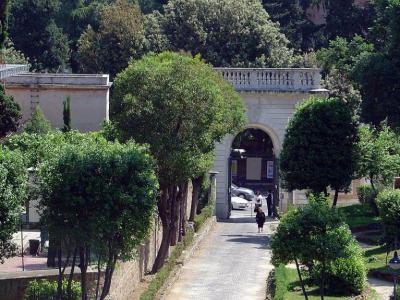
Walking Tours in Rome, Italy

Create Your Own Walk in Rome
Creating your own self-guided walk in Rome is easy and fun. Choose the city attractions that you want to see and a walk route map will be created just for you. You can even set your hotel as the start point of the walk.
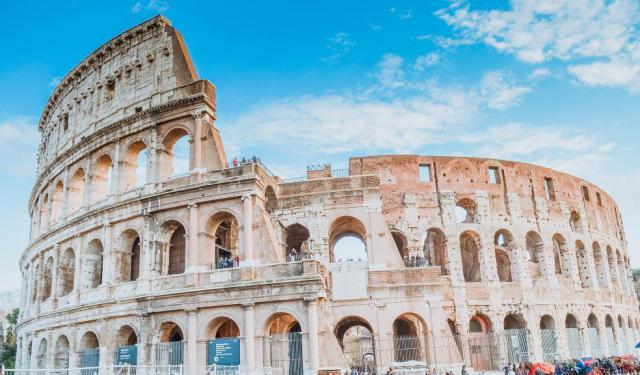
Rome Introduction Walking Tour I
Often referred to as the Eternal City, Rome holds a unique place in the story of Western civilization. Its influence shaped European culture through language, governance, and monumental architecture.
The name “Rome” originates from Romulus, the mythical founder of the city, who, according to legend, was the son of the war god Mars and Rhea Silvia, the priestess of goddess Vesta. Both... view more
Tour Duration: 2 Hour(s)
Travel Distance: 3.7 Km or 2.3 Miles
The name “Rome” originates from Romulus, the mythical founder of the city, who, according to legend, was the son of the war god Mars and Rhea Silvia, the priestess of goddess Vesta. Both... view more
Tour Duration: 2 Hour(s)
Travel Distance: 3.7 Km or 2.3 Miles
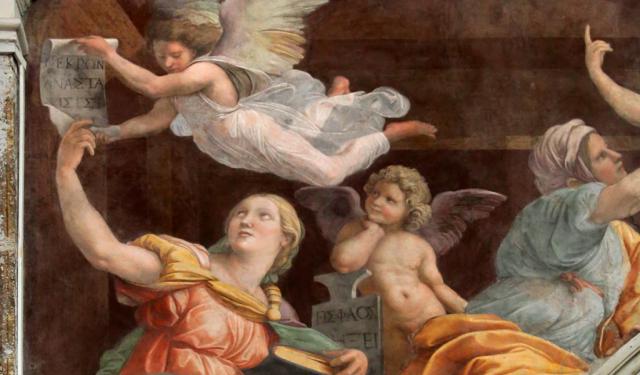
Hidden Art Treasures in Rome
Rome is one of the world's top living museums, replete with some of the most iconic pieces of art on the face of the planet. Famous artists, such as Michelangelo, Caravaggio, Raphael, Bernini, to mention but a few, had lived and worked here and left indelible marks in the city.
Needless to say that the abundance of masterpieces makes Rome crowded with tourists anxious to see them, causing... view more
Tour Duration: 1 Hour(s)
Travel Distance: 2.6 Km or 1.6 Miles
Needless to say that the abundance of masterpieces makes Rome crowded with tourists anxious to see them, causing... view more
Tour Duration: 1 Hour(s)
Travel Distance: 2.6 Km or 1.6 Miles
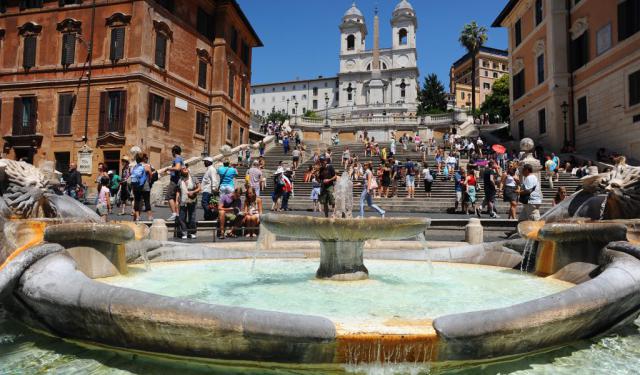
Rome Introduction Walking Tour II
Rome, the Eternal City, carries a legacy shaped by centuries of resilience, transformation, and cultural flourishing. The fall of the Roman Empire in 476 AD marked the end of an era, plunging Western Europe into the dark Middle Ages. Yet, even amid the disarray, Rome endured as a beacon of unity, largely due to its status as the center of Catholicism. The papacy wielded spiritual influence,... view more
Tour Duration: 2 Hour(s)
Travel Distance: 3.4 Km or 2.1 Miles
Tour Duration: 2 Hour(s)
Travel Distance: 3.4 Km or 2.1 Miles
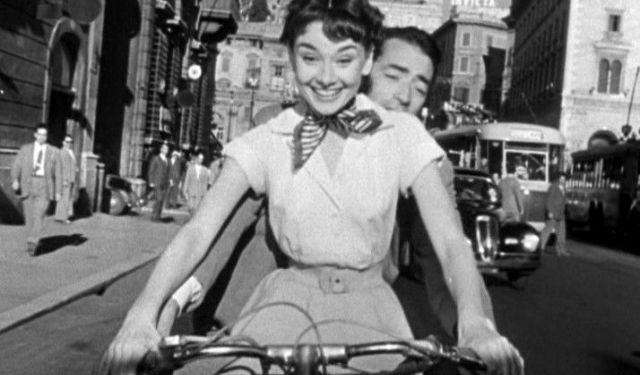
"Roman Holiday" Movie Walking Tour
Filmed entirely in the heart of Rome, Roman Holiday is one of those timeless films that beckons you to hop on a Vespa and lose yourself in the intoxicating beauty of the Italian capital. Released in 1953, this beloved classic has captured hearts across generations, thanks to its irresistible blend of romance, adventure, and charm-anchored by two of Hollywood’s brightest stars, Audrey Hepburn and... view more
Tour Duration: 4 Hour(s)
Travel Distance: 8.5 Km or 5.3 Miles
Tour Duration: 4 Hour(s)
Travel Distance: 8.5 Km or 5.3 Miles
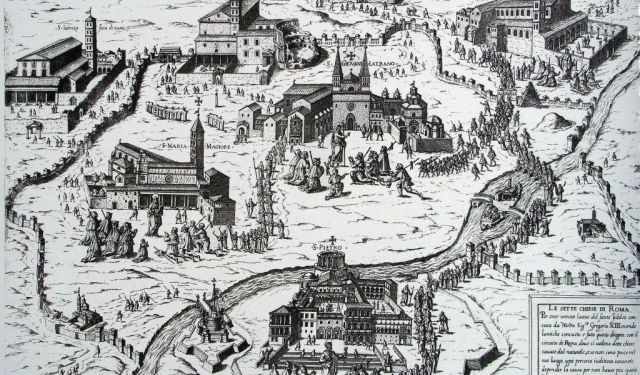
Seven Pilgrim Churches of Rome Walking Tour
Rome has long played host to pilgrims-after all, it's home to the Pope, the Catholic Curia, and a treasure trove of relics linked to apostles, saints, and martyrs. Back in the day, the Via Francigena provided a straight shot for the faithful traveling from England to Rome. Upon arrival, it was tradition to visit the tombs of Saints Peter and Paul. When a Jubilee rolled around, the spiritual... view more
Tour Duration: 6 Hour(s)
Travel Distance: 17.4 Km or 10.8 Miles
Tour Duration: 6 Hour(s)
Travel Distance: 17.4 Km or 10.8 Miles
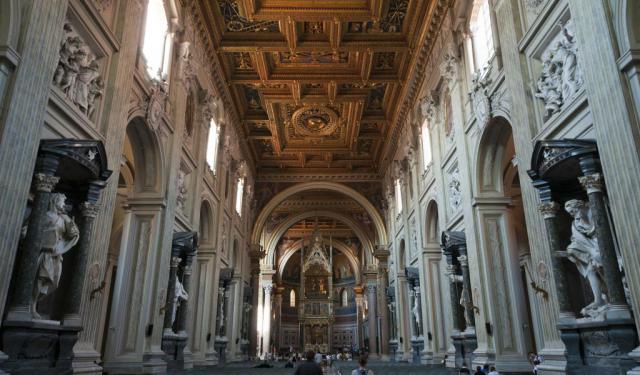
Holy Sites Walking Tour
As the cradle of the Catholic Church, one of the world's largest organizations, Rome has a large number of valuable, sacred places of worship. Crowded with architectural splendors from different periods of time, each of its churches and basilicas represent a significant part of culture and history.
Take this self-guided walking tour to discover Rome's magnificent religious heritage,... view more
Tour Duration: 3 Hour(s)
Travel Distance: 6.9 Km or 4.3 Miles
Take this self-guided walking tour to discover Rome's magnificent religious heritage,... view more
Tour Duration: 3 Hour(s)
Travel Distance: 6.9 Km or 4.3 Miles
Useful Travel Guides for Planning Your Trip
Souvenirs Shopping: 15 Authentic Italian Things To Buy in Rome
Rome is the Eternal City and, as such, the list of gift options available here is countless. Whether it's something edible, drinkable, wearable or pleasing to the eye that you want - you will find it all here in abundance. However, if time or budget is the factor, perhaps you might want to...
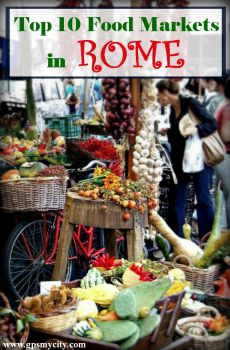
10 Best Food Markets in Rome Italy
Of all the things Italy is most famous for (cars, music, fashion, movies, etc.), food is, undoubtedly, top of the list. Rome may well not be the whole Italy, but no Italy is whole without Rome... And the Romans, much as all their fellow-Italians, like it "fresco", hence the abundance of...
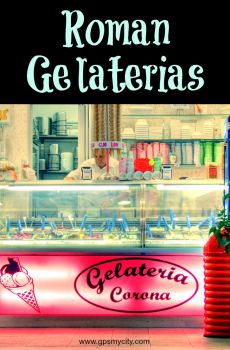
17 Best Gelaterias in Rome Italy
For ice cream lovers and dabblers this guide is a treasure chest of Rome’s best gelato shops. There are gelaterias everywhere. Many visitors to Rome only have a few days to explore the city. You owe it to yourself to make the most of your time and find the gelato locals eat. Often the authentic...