
Shaheed Minar, Dhaka
The Shaheed Minar stands tall as a solemn tribute to the sacrifices made during the tumultuous days of the Bengali Language Movement in 1952. Originating from the fervent demands of students and political activists for the recognition of Bengali as their mother tongue, the movement culminated tragically on 21 and 22 February 1952, with lives lost in clashes with Pakistani police forces near Dhaka Medical College and Ramna Park.
In the aftermath of this tragedy, a makeshift memorial was swiftly erected by the students, only to be razed to the ground by the authorities a few days later. However, the resilience of the Language Movement persisted, leading to the eventual official recognition of Bengali alongside Urdu in 1956. In memory of the fallen, the Shaheed Minar was envisioned and constructed by local sculptors, Hamidur Rahman and Novera Ahmed, albeit delayed by the political turbulence of the time. Completed in 1963, the monument bore witness to the evolving landscape of Bangladesh until the Liberation War of 1971, where it suffered destruction during Operation Searchlight.
Following the nation's hard-won independence, the Shaheed Minar was reconstructed, standing as a symbol of remembrance and resilience. Over the years, it has become the focal point for national observances on 21 February, known as Language Movement Day or Shaheed Dibas, honoring the memory of those who sacrificed for linguistic rights.
In the aftermath of this tragedy, a makeshift memorial was swiftly erected by the students, only to be razed to the ground by the authorities a few days later. However, the resilience of the Language Movement persisted, leading to the eventual official recognition of Bengali alongside Urdu in 1956. In memory of the fallen, the Shaheed Minar was envisioned and constructed by local sculptors, Hamidur Rahman and Novera Ahmed, albeit delayed by the political turbulence of the time. Completed in 1963, the monument bore witness to the evolving landscape of Bangladesh until the Liberation War of 1971, where it suffered destruction during Operation Searchlight.
Following the nation's hard-won independence, the Shaheed Minar was reconstructed, standing as a symbol of remembrance and resilience. Over the years, it has become the focal point for national observances on 21 February, known as Language Movement Day or Shaheed Dibas, honoring the memory of those who sacrificed for linguistic rights.
Shaheed Minar on Map
Sight Name: Shaheed Minar
Sight Location: Dhaka, Bangladesh (See walking tours in Dhaka)
Sight Type: Attraction/Landmark
Sight Location: Dhaka, Bangladesh (See walking tours in Dhaka)
Sight Type: Attraction/Landmark
Nearby Sights
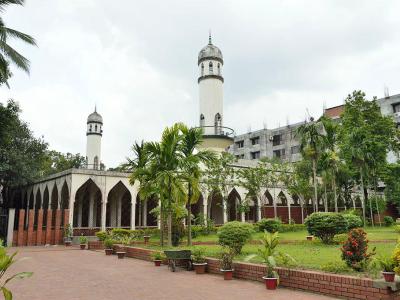
Dhaka University Mosque
Sight description based on Wikipedia.
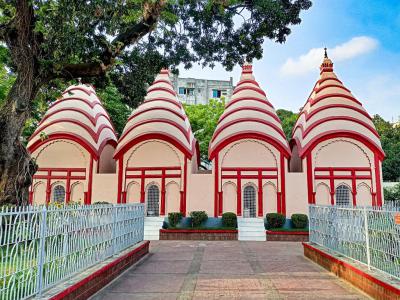
Dhakeshwari Temple (must see)
Sight description based on Wikipedia.
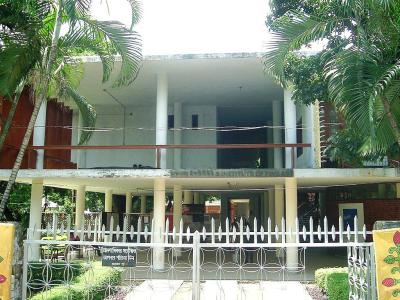
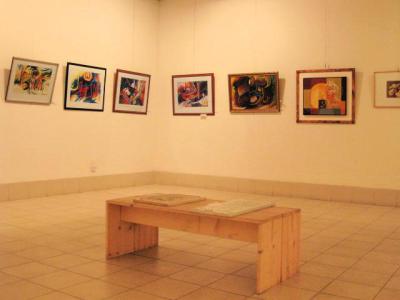
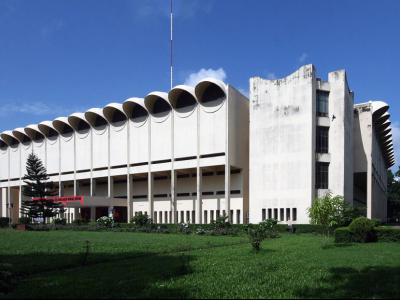
Bangladesh National Museum (must see)
Sight description based on Wikipedia.
City Walks Overview
