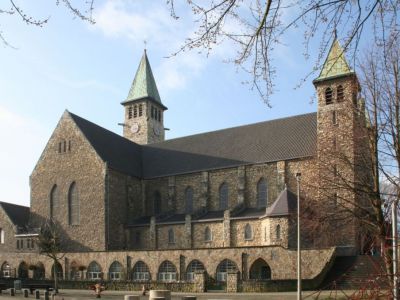


St. Theresia Church, Maastricht
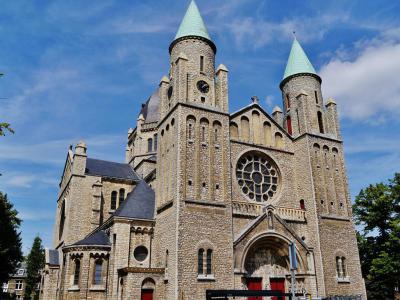
Located on Theresiaplein in the Biesland neighborhood of Maastricht, Saint Theresia Church is a Roman Catholic parish church named after Saint Thérèse of Lisieux. Built in the early 1930s, the church is a striking example of religious architecture in the city and is recognized as a municipal monument. The church has also gained new life in recent years as a shared space with the South Netherlands Philharmonic.
The parish of Saint Theresia was established in 1932, as Maastricht expanded southwestward, breaking away from Saint-Lambert and Saint Peter and Paul parishes. Architect J.H.H. van Groenendael, known for designing the Saint Lambertus Church, originally drafted the plans, though the final design was mostly executed by his son, H.F.M. van Groenendael. Construction began with the laying of the foundation stone on November 1, 1933, and the church was officially consecrated on October 3, 1934, Saint Therese's feast day.
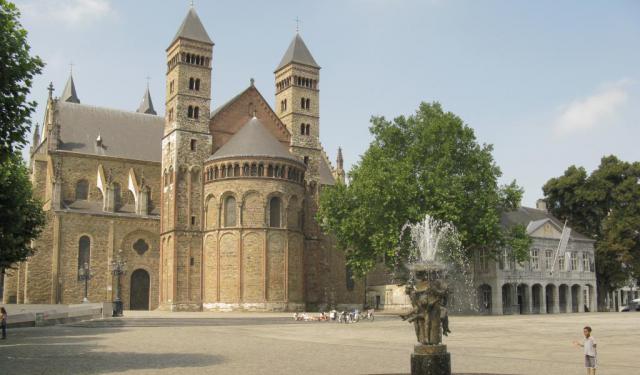
The building itself is constructed from Kunrader limestone and combines neo-Gothic and neo-Romanesque styles. It features a three-aisled basilica layout with a transept, transept tower, and two towers at the front façade. The pointed-arch windows reflect Gothic influence, while the twin towers with copper tent roofs show Romanesque inspiration. Inside, the church houses remarkable stained glass windows by artists such as Henri Schoonbrood, Max Weiss, Gilles Franssen, and Frans Slijpen. Sculptural work by Charles Vos, including the altar’s calvary group and several devotional statues, further enriches the interior.
The church's musical heritage includes a unique pipe organ, installed in 1951, originally from a Parisian cinema and built by the famous Cavaillé-Coll & Fils firm.
Despite its repurposing, the Saint Theresia parish continues to use part of the building, including the day chapel. The church stands as a vivid example of adaptive reuse, successfully balancing its spiritual role with a cultural purpose.
The parish of Saint Theresia was established in 1932, as Maastricht expanded southwestward, breaking away from Saint-Lambert and Saint Peter and Paul parishes. Architect J.H.H. van Groenendael, known for designing the Saint Lambertus Church, originally drafted the plans, though the final design was mostly executed by his son, H.F.M. van Groenendael. Construction began with the laying of the foundation stone on November 1, 1933, and the church was officially consecrated on October 3, 1934, Saint Therese's feast day.
The building itself is constructed from Kunrader limestone and combines neo-Gothic and neo-Romanesque styles. It features a three-aisled basilica layout with a transept, transept tower, and two towers at the front façade. The pointed-arch windows reflect Gothic influence, while the twin towers with copper tent roofs show Romanesque inspiration. Inside, the church houses remarkable stained glass windows by artists such as Henri Schoonbrood, Max Weiss, Gilles Franssen, and Frans Slijpen. Sculptural work by Charles Vos, including the altar’s calvary group and several devotional statues, further enriches the interior.
The church's musical heritage includes a unique pipe organ, installed in 1951, originally from a Parisian cinema and built by the famous Cavaillé-Coll & Fils firm.
Despite its repurposing, the Saint Theresia parish continues to use part of the building, including the day chapel. The church stands as a vivid example of adaptive reuse, successfully balancing its spiritual role with a cultural purpose.
Want to visit this sight? Check out these Self-Guided Walking Tours in Maastricht. Alternatively, you can download the mobile app "GPSmyCity: Walks in 1K+ Cities" from Apple App Store or Google Play Store. The app turns your mobile device to a personal tour guide and it works offline, so no data plan is needed when traveling abroad.
Download The GPSmyCity App



St. Theresia Church on Map
Sight Name: St. Theresia Church
Sight Location: Maastricht, Netherlands (See walking tours in Maastricht)
Sight Type: Religious
Sight Location: Maastricht, Netherlands (See walking tours in Maastricht)
Sight Type: Religious
Nearby Sights
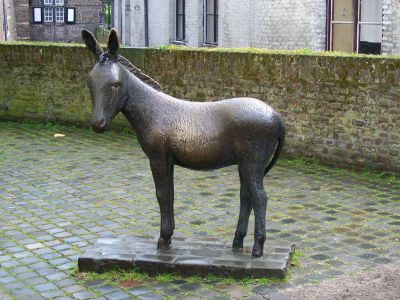
Walking Tours in Maastricht, Netherlands

Create Your Own Walk in Maastricht
Creating your own self-guided walk in Maastricht is easy and fun. Choose the city attractions that you want to see and a walk route map will be created just for you. You can even set your hotel as the start point of the walk.
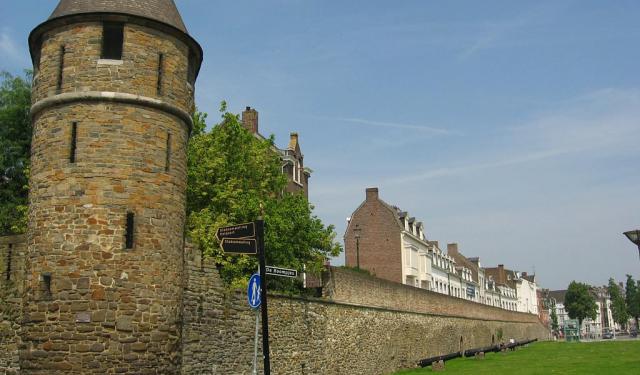
Maastricht's Ancient Fortification Sites Tour
As a key meeting point for European cultures and trading routes, Maastricht for millennia had been the site of many battles. Once known as the "Bulwark of the Netherlands", the city earned its reputation thanks to the impenetrable defenses that lasted through multiple attacks on its strategic position.
The very first fortifications in Maastricht appeared around the 1200s. Some of them... view more
Tour Duration: 2 Hours
Travel Distance: 3.3 Km or 2.1 Miles
The very first fortifications in Maastricht appeared around the 1200s. Some of them... view more
Tour Duration: 2 Hours
Travel Distance: 3.3 Km or 2.1 Miles
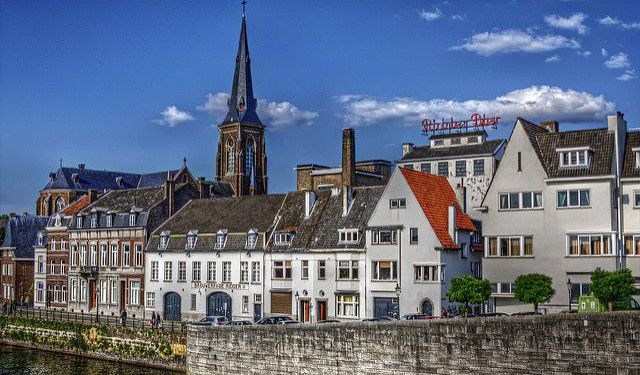
A Walk Through Maastricht's Historic Old Town
Maastricht is an ancient city known for its rich history, medieval architecture, and vibrant cultural scene.
In the first century AD, the Romans built a bridge across the Meuse river. A settlement grew near the bridge. Maastricht's name means "a place to cross the Meuse river". Today, a pillar marks this location of the original Roman bridge.
The Roman settlement was small,... view more
Tour Duration: 2 Hours
Travel Distance: 2.2 Km or 1.4 Miles
In the first century AD, the Romans built a bridge across the Meuse river. A settlement grew near the bridge. Maastricht's name means "a place to cross the Meuse river". Today, a pillar marks this location of the original Roman bridge.
The Roman settlement was small,... view more
Tour Duration: 2 Hours
Travel Distance: 2.2 Km or 1.4 Miles
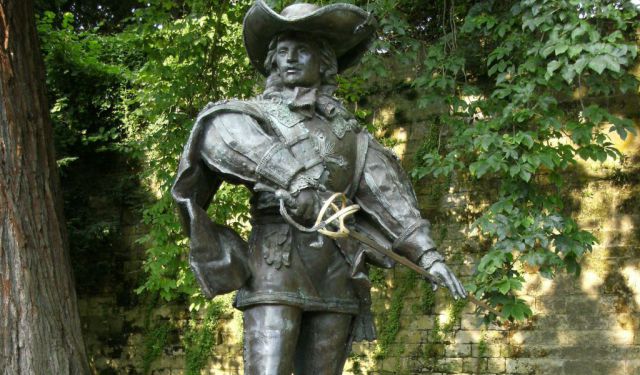
Statues and Monuments Tour
The citizens of Maastricht are reputed to be spiritual and have a good sense of humor. Their attitude towards life, as well as their customs and traditions, are vividly reflected in the numerous statues and monuments scattered throughout the city.
Among these is the Statue of Jan Pieter Minckeleers, commemorating the local inventor of gas lighting. Another notable figure is the Mooswief, also... view more
Tour Duration: 1 Hour
Travel Distance: 2.1 Km or 1.3 Miles
Among these is the Statue of Jan Pieter Minckeleers, commemorating the local inventor of gas lighting. Another notable figure is the Mooswief, also... view more
Tour Duration: 1 Hour
Travel Distance: 2.1 Km or 1.3 Miles
Maastricht's Historical Buildings Walking Tour
Founded by the Romans some 2,000 years ago, the charming city of Maastricht is one of the oldest in the Netherlands. Its long history is manifested in numerous remnants, including religious and secular buildings of any form. Over the course of the centuries, Maastricht has garnered a wealth of architecture, featuring a variety of styles: Gothic, Baroque, Romanesque and Renaissance.
Cultural... view more
Tour Duration: 2 Hours
Travel Distance: 3.1 Km or 1.9 Miles
Cultural... view more
Tour Duration: 2 Hours
Travel Distance: 3.1 Km or 1.9 Miles
City Walks Overview
