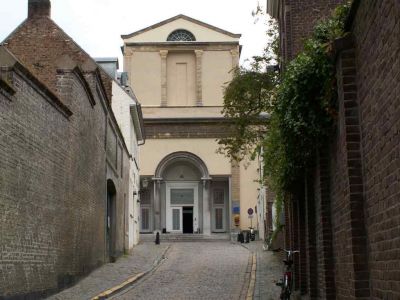


Tweede Minderbroederskerk (Second Franciscan Church), Maastricht
Located in the heart of Maastricht, the Second Franciscan Church-Tweede Minderbroederskerk-stands as a layered monument to the city’s religious, political, and architectural transformations. Built at the start of the 18th century, it marked the Franciscans’ return to the city after a long absence, complementing the original 13th-century Franciscan church.
Construction of the new monastery and church began in 1699 on the Schuttenhof, formerly a training field for archers, purchased for 9,000 guilders. The project was completed within eight years, with a particular focus on finishing the choir section first. With its calm and monumental presence and refined Baroque touches, the church was originally designed to serve the Friars Minor.
However, the tides of history reshaped its function. In 1796, the French abolished all monastic orders and confiscated both Franciscan churches. The Second Franciscan Church was repurposed as storage for confiscated art treasures from the region of Nedermaas. It briefly hosted the École Centrale, and later became a prison for vagrants and criminals. By 1825, the building underwent a significant transformation: the church was converted into a courthouse, and the monastery was further adapted as a prison.
City architect Matthieu Hermans redesigned the church’s Baroque façade in a Neoclassical style during this renovation, though other sections of the complex remain closer to their original form, with some modifications, particularly to window arrangements.
Today, the building belongs to Maastricht University and serves as a space for art and cultural events, continuing its legacy of adaptation while preserving its rich historical roots.
Construction of the new monastery and church began in 1699 on the Schuttenhof, formerly a training field for archers, purchased for 9,000 guilders. The project was completed within eight years, with a particular focus on finishing the choir section first. With its calm and monumental presence and refined Baroque touches, the church was originally designed to serve the Friars Minor.
However, the tides of history reshaped its function. In 1796, the French abolished all monastic orders and confiscated both Franciscan churches. The Second Franciscan Church was repurposed as storage for confiscated art treasures from the region of Nedermaas. It briefly hosted the École Centrale, and later became a prison for vagrants and criminals. By 1825, the building underwent a significant transformation: the church was converted into a courthouse, and the monastery was further adapted as a prison.
City architect Matthieu Hermans redesigned the church’s Baroque façade in a Neoclassical style during this renovation, though other sections of the complex remain closer to their original form, with some modifications, particularly to window arrangements.
Today, the building belongs to Maastricht University and serves as a space for art and cultural events, continuing its legacy of adaptation while preserving its rich historical roots.
Want to visit this sight? Check out these Self-Guided Walking Tours in Maastricht. Alternatively, you can download the mobile app "GPSmyCity: Walks in 1K+ Cities" from Apple App Store or Google Play Store. The app turns your mobile device to a personal tour guide and it works offline, so no data plan is needed when traveling abroad.
Download The GPSmyCity App



Tweede Minderbroederskerk (Second Franciscan Church) on Map
Sight Name: Tweede Minderbroederskerk (Second Franciscan Church)
Sight Location: Maastricht, Netherlands (See walking tours in Maastricht)
Sight Type: Religious
Sight Location: Maastricht, Netherlands (See walking tours in Maastricht)
Sight Type: Religious
Nearby Sights
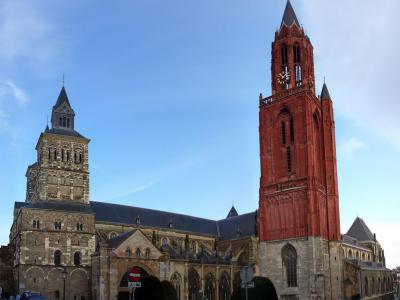
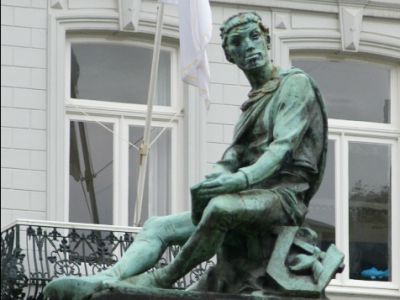
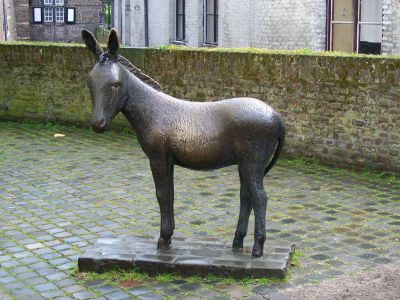

Walking Tours in Maastricht, Netherlands

Create Your Own Walk in Maastricht
Creating your own self-guided walk in Maastricht is easy and fun. Choose the city attractions that you want to see and a walk route map will be created just for you. You can even set your hotel as the start point of the walk.
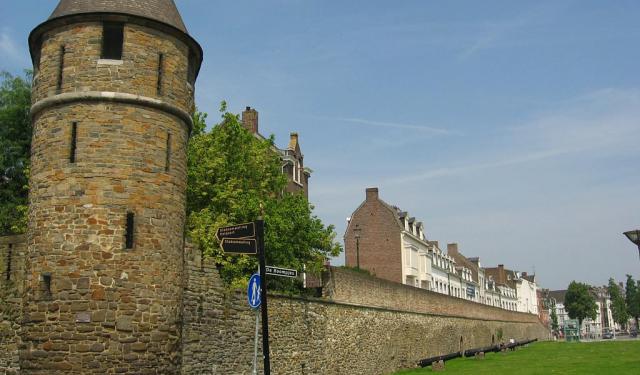
Maastricht's Ancient Fortification Sites Tour
As a key meeting point for European cultures and trading routes, Maastricht for millennia had been the site of many battles. Once known as the "Bulwark of the Netherlands", the city earned its reputation thanks to the impenetrable defenses that lasted through multiple attacks on its strategic position.
The very first fortifications in Maastricht appeared around the 1200s. Some of them... view more
Tour Duration: 2 Hours
Travel Distance: 3.3 Km or 2.1 Miles
The very first fortifications in Maastricht appeared around the 1200s. Some of them... view more
Tour Duration: 2 Hours
Travel Distance: 3.3 Km or 2.1 Miles
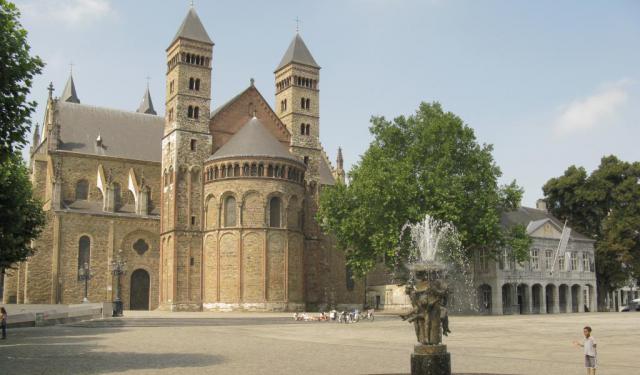
Maastricht's Historical Buildings Walking Tour
Founded by the Romans some 2,000 years ago, the charming city of Maastricht is one of the oldest in the Netherlands. Its long history is manifested in numerous remnants, including religious and secular buildings of any form. Over the course of the centuries, Maastricht has garnered a wealth of architecture, featuring a variety of styles: Gothic, Baroque, Romanesque and Renaissance.
Cultural... view more
Tour Duration: 2 Hours
Travel Distance: 3.1 Km or 1.9 Miles
Cultural... view more
Tour Duration: 2 Hours
Travel Distance: 3.1 Km or 1.9 Miles
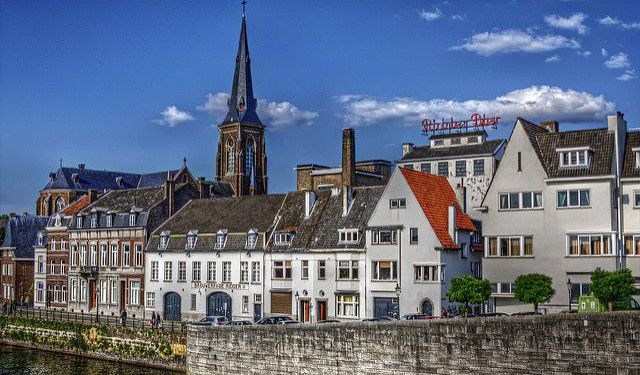
A Walk Through Maastricht's Historic Old Town
Maastricht is an ancient city known for its rich history, medieval architecture, and vibrant cultural scene.
In the first century AD, the Romans built a bridge across the Meuse river. A settlement grew near the bridge. Maastricht's name means "a place to cross the Meuse river". Today, a pillar marks this location of the original Roman bridge.
The Roman settlement was small,... view more
Tour Duration: 2 Hours
Travel Distance: 2.2 Km or 1.4 Miles
In the first century AD, the Romans built a bridge across the Meuse river. A settlement grew near the bridge. Maastricht's name means "a place to cross the Meuse river". Today, a pillar marks this location of the original Roman bridge.
The Roman settlement was small,... view more
Tour Duration: 2 Hours
Travel Distance: 2.2 Km or 1.4 Miles
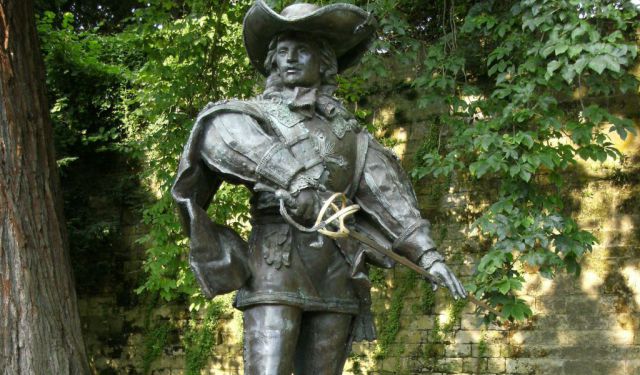
Statues and Monuments Tour
The citizens of Maastricht are reputed to be spiritual and have a good sense of humor. Their attitude towards life, as well as their customs and traditions, are vividly reflected in the numerous statues and monuments scattered throughout the city.
Among these is the Statue of Jan Pieter Minckeleers, commemorating the local inventor of gas lighting. Another notable figure is the Mooswief, also... view more
Tour Duration: 1 Hour
Travel Distance: 2.1 Km or 1.3 Miles
Among these is the Statue of Jan Pieter Minckeleers, commemorating the local inventor of gas lighting. Another notable figure is the Mooswief, also... view more
Tour Duration: 1 Hour
Travel Distance: 2.1 Km or 1.3 Miles