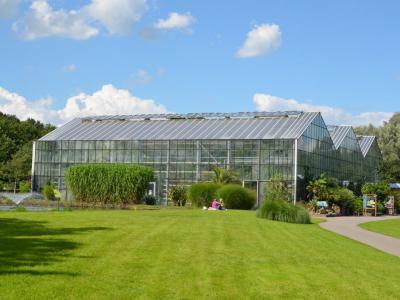


Utrecht University Botanic Gardens, Utrecht
The Utrecht University Botanic Gardens, an institution with a rich history dating back to the 17th century, have evolved into a significant center for botanical research and public enjoyment. Since 1987, the gardens have consisted of two primary locations: the main Botanical Garden at Fort Hoofddijk in De Uithof, Utrecht, and the Von Gimborn Arboretum in Doorn. Both sites are open to visitors and serve as vital spaces for education and conservation.
The origins of the university’s living plant collections trace back to 1639, when the first botanical garden for medicinal purposes was founded in Utrecht, just three years after Utrecht University itself was established. In the early 18th century, the garden was relocated within the old city, eventually becoming the museum garden of the University Museum, now known as Oude Hortus. Notably, around 1730, one of the first Ginkgo biloba trees in Europe was planted here.
Over time, Utrecht University expanded its botanical gardens. In 1920, Cantonspark in Baarn was added, featuring a rock garden and thematic beds. The major transformation came in the 1960s when the university acquired Fort Hoofddijk, shifting plant collections there. Between 1964 and 1974, over 2,100 tons of Ardennes rock created one of Europe’s largest rock gardens. Systematic beds followed in the 1970s, and a modern greenhouse complex in the 1980s.
Another key acquisition came in 1966 with the purchase of the Von Gimborn Arboretum in Doorn, further enhancing the university’s botanical reach. Today, the arboretum houses a diverse collection of trees and shrubs, complementing the plant diversity at Fort Hoofddijk. More recently, in 2019, the gardens introduced a new butterfly house within one of the greenhouses, adding an interactive and immersive experience for visitors.
The origins of the university’s living plant collections trace back to 1639, when the first botanical garden for medicinal purposes was founded in Utrecht, just three years after Utrecht University itself was established. In the early 18th century, the garden was relocated within the old city, eventually becoming the museum garden of the University Museum, now known as Oude Hortus. Notably, around 1730, one of the first Ginkgo biloba trees in Europe was planted here.
Over time, Utrecht University expanded its botanical gardens. In 1920, Cantonspark in Baarn was added, featuring a rock garden and thematic beds. The major transformation came in the 1960s when the university acquired Fort Hoofddijk, shifting plant collections there. Between 1964 and 1974, over 2,100 tons of Ardennes rock created one of Europe’s largest rock gardens. Systematic beds followed in the 1970s, and a modern greenhouse complex in the 1980s.
Another key acquisition came in 1966 with the purchase of the Von Gimborn Arboretum in Doorn, further enhancing the university’s botanical reach. Today, the arboretum houses a diverse collection of trees and shrubs, complementing the plant diversity at Fort Hoofddijk. More recently, in 2019, the gardens introduced a new butterfly house within one of the greenhouses, adding an interactive and immersive experience for visitors.
Want to visit this sight? Check out these Self-Guided Walking Tours in Utrecht. Alternatively, you can download the mobile app "GPSmyCity: Walks in 1K+ Cities" from Apple App Store or Google Play Store. The app turns your mobile device to a personal tour guide and it works offline, so no data plan is needed when traveling abroad.
Download The GPSmyCity App



Utrecht University Botanic Gardens on Map
Sight Name: Utrecht University Botanic Gardens
Sight Location: Utrecht, Netherlands (See walking tours in Utrecht)
Sight Type: Park/Outdoor
Sight Location: Utrecht, Netherlands (See walking tours in Utrecht)
Sight Type: Park/Outdoor
Nearby Sights
Walking Tours in Utrecht, Netherlands

Create Your Own Walk in Utrecht
Creating your own self-guided walk in Utrecht is easy and fun. Choose the city attractions that you want to see and a walk route map will be created just for you. You can even set your hotel as the start point of the walk.
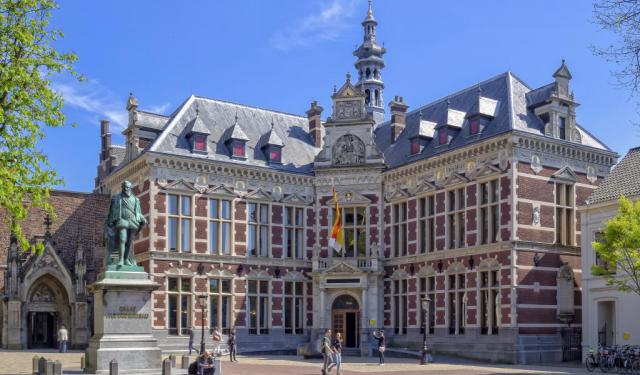
Utrecht's Historical Buildings Walking Tour
Originally founded by the Romans, and once the most important city in the Netherlands, Utrecht boasts a generous share of historically significant structures. The collection of its architectural masterpieces, one of the richest in the country, dates back to the early Middle Ages.
The amazingly well-preserved pieces of historic architecture in Utrecht showcase the trends and movements throughout... view more
Tour Duration: 2 Hour(s)
Travel Distance: 3.8 Km or 2.4 Miles
The amazingly well-preserved pieces of historic architecture in Utrecht showcase the trends and movements throughout... view more
Tour Duration: 2 Hour(s)
Travel Distance: 3.8 Km or 2.4 Miles
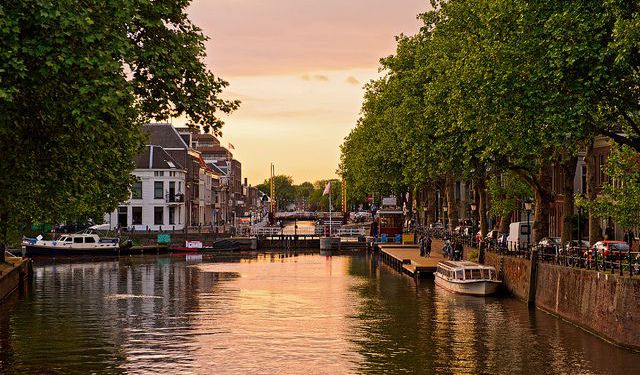
A Walking Guide To Utrecht's Medieval Old Town
The earliest settlers to the area now called Utrecht likely arrived millennia ago during the Stone Age. While there are also signs of inhabitation during the Bronze Age, scholars today credit the Romans with building what became the town.
They set up a castellum around the year 50 AD, a fort right at a crossing point on the river Rhine. The fortress marked Rome's northernmost point in... view more
Tour Duration: 1 Hour(s)
Travel Distance: 1.6 Km or 1 Miles
They set up a castellum around the year 50 AD, a fort right at a crossing point on the river Rhine. The fortress marked Rome's northernmost point in... view more
Tour Duration: 1 Hour(s)
Travel Distance: 1.6 Km or 1 Miles