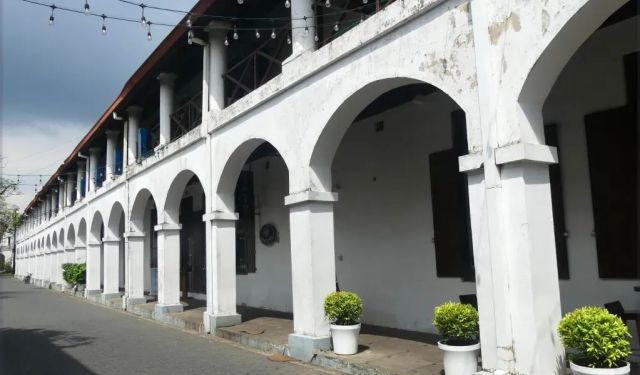


Exploring Galle Fort, Galle, Sri Lanka
"Rows of houses with their narrow sides facing the streets and verandas shaded by high overhanging roofs supported on slender columns create distinctive streetscapes. … an architecture which is European only in its basic design." - UNESCO World Heritage Site listing
Galle Fort is not only, as the name suggests, a fortification; it holds within its ramparts a beautifully preserved/restored colonial town. It has been inscribed as a UNESCO World Heritage Site as:
"an outstanding example of an urban ensemble which illustrates the interaction of European architecture and South Asian traditions from the 16th to the 19th centuries."
The town was founded by the Portuguese, then extensively fortified by the Dutch during the 17th century. Later it became the southern headquarters of the British colonial rule. The British made several modifications, including removing the moat and building a lighthouse. Despite these, and later changes during WWII, it retains much of the structure built by the Dutch in particular.
The old town is still today encircled by a three-kilometre ring of massive granite and coral ramparts, broken up at intervals by fourteen bastions in various states of preservation. Within these walls its charming streets are lined with hotels, restaurants and shops aimed at the town’s many visitors. But it is also still home to a diverse population of Sri Lankan Moors (descendants of the Arabs who settled here to trade), Sinhalese, Dutch, English, Portuguese and German settlers. It is popular with ex-pat artists, writers, photographers, designers and poets who find a market for their creative flair in the smart boutiques and galleries. ...... (follow the instructions below for accessing the rest of this article).
Galle Fort is not only, as the name suggests, a fortification; it holds within its ramparts a beautifully preserved/restored colonial town. It has been inscribed as a UNESCO World Heritage Site as:
"an outstanding example of an urban ensemble which illustrates the interaction of European architecture and South Asian traditions from the 16th to the 19th centuries."
The town was founded by the Portuguese, then extensively fortified by the Dutch during the 17th century. Later it became the southern headquarters of the British colonial rule. The British made several modifications, including removing the moat and building a lighthouse. Despite these, and later changes during WWII, it retains much of the structure built by the Dutch in particular.
The old town is still today encircled by a three-kilometre ring of massive granite and coral ramparts, broken up at intervals by fourteen bastions in various states of preservation. Within these walls its charming streets are lined with hotels, restaurants and shops aimed at the town’s many visitors. But it is also still home to a diverse population of Sri Lankan Moors (descendants of the Arabs who settled here to trade), Sinhalese, Dutch, English, Portuguese and German settlers. It is popular with ex-pat artists, writers, photographers, designers and poets who find a market for their creative flair in the smart boutiques and galleries. ...... (follow the instructions below for accessing the rest of this article).
How it works: The full article is featured in the app "GPSmyCity: Walks in 1K+ Cities" on Apple App Store and Google Play Store.
Download the app to your mobile device to read the article offline and create a self-guided walking tour to visit the sights featured in this article. The app's navigation functions guide you from one sight to the next. The app works offline, so no data plan is needed when traveling abroad.
Download The GPSmyCity App



Sights Featured in This Article
Guide Name: Exploring Galle Fort
Guide Location: Sri Lanka » Galle
Guide Type: Self-guided Walking Tour (Insider Tips)
Author: Sarah Wilkie
Read it on Author's Website: https://www.toonsarah-travels.blog/exploring-galle-fort/
Sight(s) Featured in This Guide:
Guide Location: Sri Lanka » Galle
Guide Type: Self-guided Walking Tour (Insider Tips)
Author: Sarah Wilkie
Read it on Author's Website: https://www.toonsarah-travels.blog/exploring-galle-fort/
Sight(s) Featured in This Guide:
- Lloyds Naval Signal Station
- Clock Tower
- The cricket ground from Moon Bastion
- Groote Kerk
- The Dutch Hospital
- Tap House
- Meeran Mosque
Insider Tips for Galle, Sri Lanka
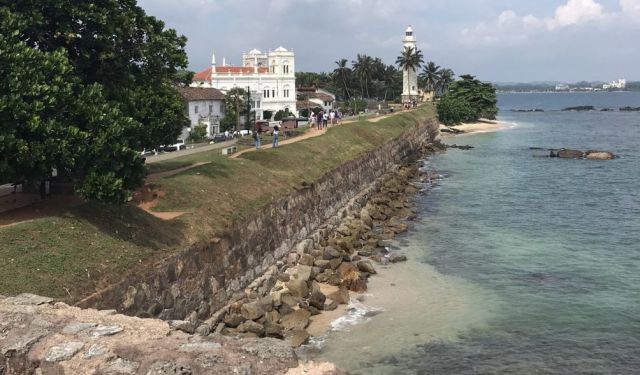
Galle Self-Guided Walking Tour
By far the most intact colonial fortified city in Sri Lanka, Galle marks the location of the first Portuguese landing on Sri Lanka in the early 1500s. Following its capture by the Dutch in the 1640s, Galle was heavily fortified, briefly functioning as the capital and then becoming the major port of the Dutch East India Company (VOC).
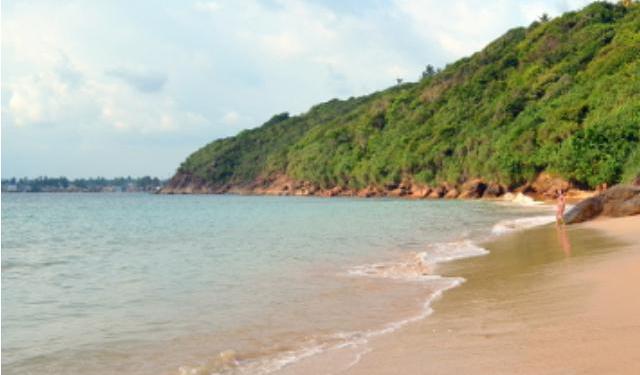
A Day at Jungle Beach, Sri Lanka
Sri Lanka has truly unparalleled natural beauty. Almost the entire western coast from Colombo down to Galle is one giant stretch of beach.
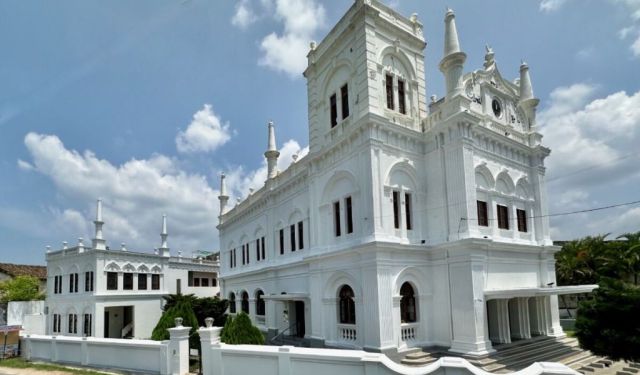
Galle in Sri Lanka - A Town inside a Fort
Visitors to the Sri Lankan town of Galle are surprised at the contrast between this coastal town and the other towns on the island. Open spaces cooled by a gentle sea breeze create a completely different atmosphere here thanks to the large, historic fort that has survived here for over 400 years.
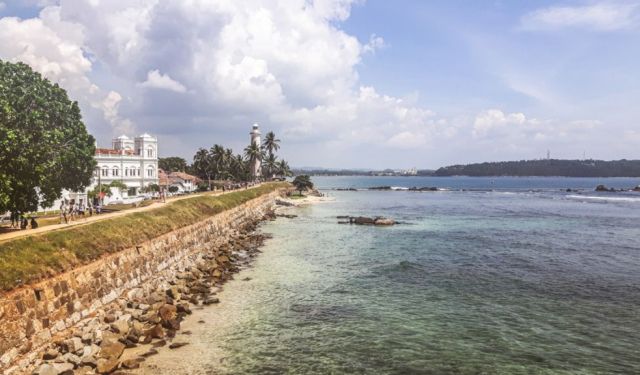
Galle Fort: A Complete Guide to Sri Lanka’s Colonial City
Discover Galle Fort: A Complete Guide to Sri Lanka’s Colonial City is your go-to resource for exploring one of the most historic and atmospheric places in Sri Lanka. After visiting Galle Fort myself and wandering through its cobbled streets, ancient ramparts, and beautifully preserved colonial buildings, I’ve put together this guide to help you make the most of your visit. In this article, I... view more
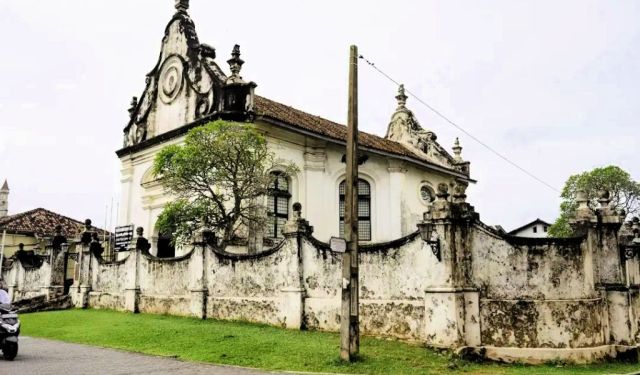
11 Stunning Things to See in Galle Fort
In this article, we’ll take you through 11 stunning things to see in Galle Fort, Sri Lanka. Whether you love history, food, or scenic ocean views, this guide will help you make the most of your visit. Get ready to wander through cobbled streets, visit colonial landmarks, and discover the magic of this historic gem!
Insider Tips Overview
