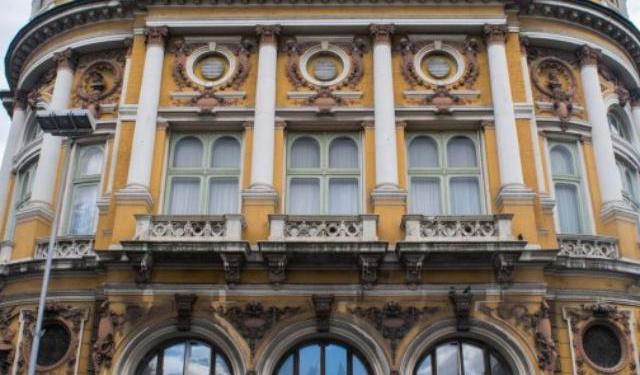


The Unexpected Pleasure of Rijeka, Croatia, Rijeka, Croatia
There seems to be little of the Croatian coast that tourists are not familiar with these days. From Dubrovnik to Rovinj, tourists have flocked to admire this pristine coast and the delightful destinations found along it. Looking at a map of Croatia, I was rightfully confused when planning my most recent visit that I hadn’t heard more about Rijeka. It is after all, the third biggest city in Croatia. So why was it I hadn’t seen much about visiting Rijeka before?
Keen to find out for myself what the city offered, Rijeka was a natural fit in my Croatian itinerary. Before venturing onto Istria, I spent a few days in the city even though I didn’t know what to expect. I hedged my bet by staying somewhere where I could catch up on work too if needed. The rainy March weather did mean I spent a fair amount of time indoors, but I did get the chance to go out and see the city and came away thoroughly impressed by what this unassuming port city had to show me. It may not be the textbook Croatian coastal destination that people rush to visit, but Rijeka was a pleasure to visit nonetheless.
Before I get to what I liked about visiting Rijeka, perhaps some background info might help you place it. A port city on the Kvarner Bay, Rijeka lies just off the popular Istria peninsula where places like Pula and Rovinj are found. While Rijeka is down on the water, its immediate backdrop is hills that stretch out into fairly mountainous part of Croatia. This gives the city a bit of the sense that its wedged against the waterfront. As far as Rijeka’s history goes though, the city follows a path quite common for this region. The city sits upon the site of where the ancient Roman settlement of Tarsatica once stood, with the odd ruin still visible today. It’s valuable coastal position meant that it changed hands many times during the Middle Ages. It wasn’t until the Austrian Habsburgs bought the city, then known as Fiume, that things settled. With Austria’s loss in the First World War, both Italy and Yugoslavia laid claim to the city. While now most of the population in Rijeka are Croatian, back then it was far more mixed and Italian was the largest ethnic group. This mix though gave the city a far more independent nature and spirit that the local Fiumans still pride themselves on today. You can sense a little of that today, especially if you hear the local Fiuman dialect that blends Venetian Italian with Croatian, Hungarian and German. ...... (follow the instructions below for accessing the rest of this article).
How it works: The full article is featured in the app "GPSmyCity: Walks in 1K+ Cities" on Apple App Store and Google Play Store.
Download the app to your mobile device to read the article offline and create a self-guided walking tour to visit the sights featured in this article. The app's navigation functions guide you from one sight to the next. The app works offline, so no data plan is needed when traveling abroad.
Download The GPSmyCity App



Sights Featured in This Article
Guide Name: The Unexpected Pleasure of Rijeka, Croatia
Guide Location: Croatia » Rijeka
Guide Type: Self-guided Walking Tour (Insider Tips)
Author: David Johnston
Read it on Author's Website: https://www.travelsewhere.net/rijeka-croatia/
Sight(s) Featured in This Guide:
Guide Location: Croatia » Rijeka
Guide Type: Self-guided Walking Tour (Insider Tips)
Author: David Johnston
Read it on Author's Website: https://www.travelsewhere.net/rijeka-croatia/
Sight(s) Featured in This Guide:
- The Port Waterfront
- Korzo
- City Hall
- City Clock Tower
- Saint Vitus Cathedral
- Church of Our Lady of Lourdes
- Croatian National Theatre
- Rijeka City Library
- Rijeka Marina
- Liberation Monument
- Bridge of Croatian Defenders
- Trsat Fortress
Insider Tips Overview
