Custom Walk in Rotterdam, Netherlands by zar_martino_69269 created on 2025-05-08
Guide Location: Netherlands » Rotterdam
Guide Type: Custom Walk
# of Sights: 6
Tour Duration: 3 Hour(s)
Travel Distance: 6.2 Km or 3.9 Miles
Share Key: BYQCD
Guide Type: Custom Walk
# of Sights: 6
Tour Duration: 3 Hour(s)
Travel Distance: 6.2 Km or 3.9 Miles
Share Key: BYQCD
How It Works
Please retrieve this walk in the GPSmyCity app. Once done, the app will guide you from one tour stop to the next as if you had a personal tour guide. If you created the walk on this website or come to the page via a link, please follow the instructions below to retrieve the walk in the app.
Retrieve This Walk in App
Step 1. Download the app "GPSmyCity: Walks in 1K+ Cities" on Apple App Store or Google Play Store.



Step 2. In the GPSmyCity app, download(or launch) the guide "Rotterdam Map and Walking Tours".
Step 3. Tap the menu button located at upper right corner of the "Walks" screen and select "Retrieve custom walk". Enter the share key: BYQCD
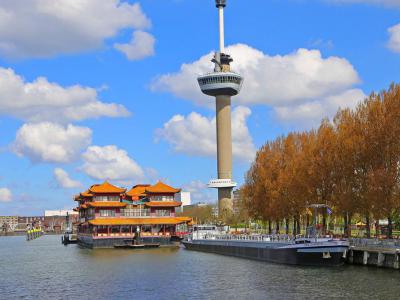
1) Euromast Tower (must see)
Euromast is an observation tower that was built for the 1960 Floriade International Garden Festival. The imposing structure was originally 101-meters (331-feet) tall and was Rotterdam's tallest building. In 1970, the Space Tower antennae was added, and the building is now 185-meters (606-feet) tall.
The tower is built on an underground 4,200,000-pound concrete block for stability. The crow's nest observation platform is 96 meters (315 feet) tall. The observation platform is home to a restaurant that serves brunch, lunch, and dinner.
Visitors can take an elevator to the Euroscoop at the top of the 185-meter-tall (606-foot-tall) tower. Adventurous travelers can even spend the night in the Euromast. There are several luxury suites.
Thrill-seekers can abseil or cable glide down the Euromast. Abseiling will allow you to walk down the outside wall in a climbing harness. Cable gliding is much more exciting. Guests hang from a cable track while zooming down at speeds up to 100 kilometers per hour (62 miles per hour).
The tower is built on an underground 4,200,000-pound concrete block for stability. The crow's nest observation platform is 96 meters (315 feet) tall. The observation platform is home to a restaurant that serves brunch, lunch, and dinner.
Visitors can take an elevator to the Euroscoop at the top of the 185-meter-tall (606-foot-tall) tower. Adventurous travelers can even spend the night in the Euromast. There are several luxury suites.
Thrill-seekers can abseil or cable glide down the Euromast. Abseiling will allow you to walk down the outside wall in a climbing harness. Cable gliding is much more exciting. Guests hang from a cable track while zooming down at speeds up to 100 kilometers per hour (62 miles per hour).
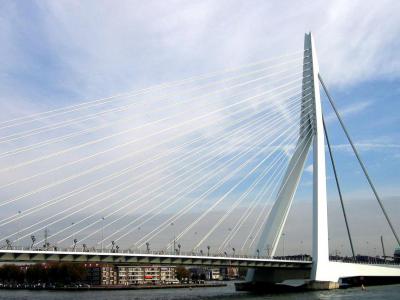
2) Erasmusbrug (Erasmus Bridge) (must see)
Erasmus Bridge crosses the Nieuwe Mass River. This combination cable-stayed and bascule bridge was completed in 1996. The modern bridge was named after Desiderius Erasmus, a Renaissance humanist and Catholic priest. Erasmus was born in Rotterdam in 1446 and is considered one of the greatest scholars of the northern Renaissance.
Erasmus Bridge is Rotterdam's most iconic landmark and is featured in the city's logo. The bridge is 802 meters (2,631 feet) long. The cable-stayed portion has a 139-meter (456-foot) asymmetrical bent pylon with an eye-catching horizontal base. This striking feature has earned it "The Swan" nickname.
The south portion of the bridge has an 89-meter (292-foot) long bascule bridge to allow large ships to pass under the bridge.
The bridge has been featured in films and events. It was in Jackie Chan's 1998 film Who Am I?. Several planes dramatically flew under the bridge during the 2005 Red Bull Air Race.
Erasmus Bridge is Rotterdam's most iconic landmark and is featured in the city's logo. The bridge is 802 meters (2,631 feet) long. The cable-stayed portion has a 139-meter (456-foot) asymmetrical bent pylon with an eye-catching horizontal base. This striking feature has earned it "The Swan" nickname.
The south portion of the bridge has an 89-meter (292-foot) long bascule bridge to allow large ships to pass under the bridge.
The bridge has been featured in films and events. It was in Jackie Chan's 1998 film Who Am I?. Several planes dramatically flew under the bridge during the 2005 Red Bull Air Race.
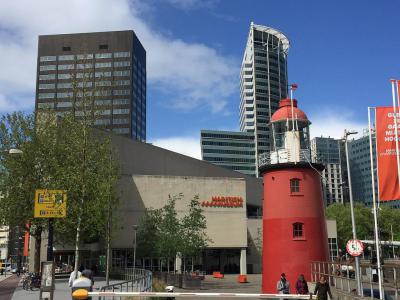
3) Maritime Museum of Rotterdam (must see)
The Maritime Museum Rotterdam focuses on the city’s maritime and shipping history, offering visitors both modern exhibits and access to an extensive collection of artifacts. Founded in 1874 by Prince Henry of the Netherlands, it consists of two linked components: the indoor museum and the adjacent Museum Harbour.
Inside the museum, exhibitions designed for all ages include stories of ships, offshore platforms and maritime innovation. Among the standout pieces are the Mataró ship model, over six centuries old and Europe’s oldest ship model; The Itinerario by the Dutch explorer Jan Huygen van Linschoten, one of the world’s most important travel journals; pen‑and‑ink drawings by Willem van de Velde the Younger, a renowned Dutch maritime artist; and a set of sea charts by Joan Blaeu, a leading 17th‑century cartographer. The museum’s collection spans over one million objects, covering six centuries of Dutch maritime history.
The Museum Harbour offers an outdoor experience in the oldest and largest museum harbour in the Netherlands, located where the port of Rotterdam first took shape. Visitors can explore historic vessels such as steam tugs, a grain elevator, and the red cast‑iron lighthouse known as the Low Light of the Hook of Holland, which once guided ships up the New Waterway. In addition to its permanent collection, the museum hosts rotating exhibitions, educational programs, and special events aimed at exploring Rotterdam's pivotal role in global shipping and trade.
Tip: Some of the ships in the outer harbour section can be boarded and explored free of charge. A café and museum shop are available on site, and the museum’s library houses the Netherlands’ most comprehensive maritime‑related book collection, open by appointment for rare materials.
Inside the museum, exhibitions designed for all ages include stories of ships, offshore platforms and maritime innovation. Among the standout pieces are the Mataró ship model, over six centuries old and Europe’s oldest ship model; The Itinerario by the Dutch explorer Jan Huygen van Linschoten, one of the world’s most important travel journals; pen‑and‑ink drawings by Willem van de Velde the Younger, a renowned Dutch maritime artist; and a set of sea charts by Joan Blaeu, a leading 17th‑century cartographer. The museum’s collection spans over one million objects, covering six centuries of Dutch maritime history.
The Museum Harbour offers an outdoor experience in the oldest and largest museum harbour in the Netherlands, located where the port of Rotterdam first took shape. Visitors can explore historic vessels such as steam tugs, a grain elevator, and the red cast‑iron lighthouse known as the Low Light of the Hook of Holland, which once guided ships up the New Waterway. In addition to its permanent collection, the museum hosts rotating exhibitions, educational programs, and special events aimed at exploring Rotterdam's pivotal role in global shipping and trade.
Tip: Some of the ships in the outer harbour section can be boarded and explored free of charge. A café and museum shop are available on site, and the museum’s library houses the Netherlands’ most comprehensive maritime‑related book collection, open by appointment for rare materials.
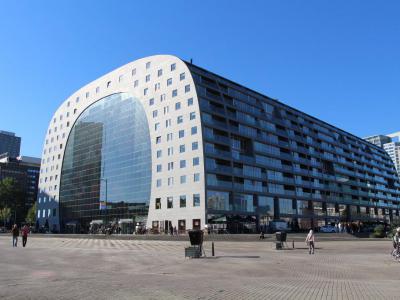
4) Markthal (Market Hall) (must see)
The Market Hall is a multi-use complex that combines apartments, offices, retail spaces, and one of Rotterdam’s most popular markets, all under a single monumental arch. Opened in 2014, the building is celebrated for its dramatic horseshoe-shaped arch and its massive glass facades composed of smaller window panels. A 34-metre high steel cable structure supports these glass walls, making it Europe’s largest cable-supported glass façade. Beneath it lies an extensive underground parking garage that adds to its functional design.
Inside, visitors are greeted by a space of vivid artwork covering the interior arch. Created by Dutch artists Arno Coenen and Iris Roskam, Horn of Plenty depicts giant fruits, vegetables, fish, flowers, and insects in dazzling colour. The digital artwork was so enormous that the artists had to borrow computing power from Pixar Studios. This spectacular mural has earned the Market Hall nicknames such as “The Largest Artwork in the World” and “The Sistine Chapel of Rotterdam”.
During the building’s construction, archaeologists unearthed the remains of a 10th-century farmstead, including a house with two stoves and several fireplaces. A small exhibition beside the central staircases displays these finds, offering visitors a glimpse of Rotterdam’s early settlement history.
Today, the Market Hall stands as the largest indoor market in the Netherlands. It hosts more than 100 produce stalls, 15 food shops, and eight restaurants. Shoppers can browse local cheeses, fresh fish, fruit and vegetables, poultry, flowers, and plants. For those eager to sample their purchases, plenty of indoor seating areas are available—making the Market Hall both a culinary destination and a modern architectural icon.
Inside, visitors are greeted by a space of vivid artwork covering the interior arch. Created by Dutch artists Arno Coenen and Iris Roskam, Horn of Plenty depicts giant fruits, vegetables, fish, flowers, and insects in dazzling colour. The digital artwork was so enormous that the artists had to borrow computing power from Pixar Studios. This spectacular mural has earned the Market Hall nicknames such as “The Largest Artwork in the World” and “The Sistine Chapel of Rotterdam”.
During the building’s construction, archaeologists unearthed the remains of a 10th-century farmstead, including a house with two stoves and several fireplaces. A small exhibition beside the central staircases displays these finds, offering visitors a glimpse of Rotterdam’s early settlement history.
Today, the Market Hall stands as the largest indoor market in the Netherlands. It hosts more than 100 produce stalls, 15 food shops, and eight restaurants. Shoppers can browse local cheeses, fresh fish, fruit and vegetables, poultry, flowers, and plants. For those eager to sample their purchases, plenty of indoor seating areas are available—making the Market Hall both a culinary destination and a modern architectural icon.
5) Witte de Withstraat Street (must see)
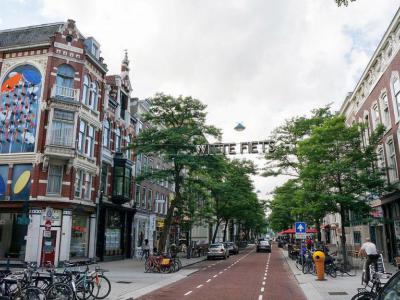
Witte de Withstraat Street, spanning approximately 320 meters, was named after Witte Cornelisz de With, a 17th-century Dutch naval officer. During the 1990s, its transformation into an "Art Axis" — a designated cultural and artistic district linking the Park Museum and the Maritime Museum — helped reshape its identity as one of the city’s cultural and nightlife centres.
Here, you'll find Rotterdam Bazar, a lively restaurant offering international dishes; Vivu, which serves delicious Vietnamese cuisine; and Oliva, known for its Italian fare. For a casual bite, Bagel Bakery is the perfect stop for a bagel and a quick coffee. The highly regarded burger spot Ter Marsch & Co serves some of the Netherlands’ best hamburgers. For a different vibe, the Nieuw Rotterdams Café, housed in a grand former newspaper building, offers a stylish setting for cocktails or dinner.
The shopping scene is as diverse as the food offerings. You'll discover independent boutiques like Betsy Palmer, a well-known shoe shop, and RSI The Attraction, which specializes in adventure gear such as skateboards, snowboards, and kites.
Artists and gallery-goers will feel right at home here, too. Kunstinstituut Melly hosts international exhibitions and educational programs. Other galleries in the area include Ecce Gallery and van Eijk Gallery, which features modern art, ceramics, and sculpture. Around the side streets, you’ll also encounter murals and street-art installations.
In earlier decades, the street had a rougher reputation, once home to less savory cafés and illegal gambling houses in the 1970s. However, its revival has helped shape Witte de Withstraat Street into a hub for art, design, and nightlife energy.
Here, you'll find Rotterdam Bazar, a lively restaurant offering international dishes; Vivu, which serves delicious Vietnamese cuisine; and Oliva, known for its Italian fare. For a casual bite, Bagel Bakery is the perfect stop for a bagel and a quick coffee. The highly regarded burger spot Ter Marsch & Co serves some of the Netherlands’ best hamburgers. For a different vibe, the Nieuw Rotterdams Café, housed in a grand former newspaper building, offers a stylish setting for cocktails or dinner.
The shopping scene is as diverse as the food offerings. You'll discover independent boutiques like Betsy Palmer, a well-known shoe shop, and RSI The Attraction, which specializes in adventure gear such as skateboards, snowboards, and kites.
Artists and gallery-goers will feel right at home here, too. Kunstinstituut Melly hosts international exhibitions and educational programs. Other galleries in the area include Ecce Gallery and van Eijk Gallery, which features modern art, ceramics, and sculpture. Around the side streets, you’ll also encounter murals and street-art installations.
In earlier decades, the street had a rougher reputation, once home to less savory cafés and illegal gambling houses in the 1970s. However, its revival has helped shape Witte de Withstraat Street into a hub for art, design, and nightlife energy.
6) Kunsthal (Art Hall) (must see)
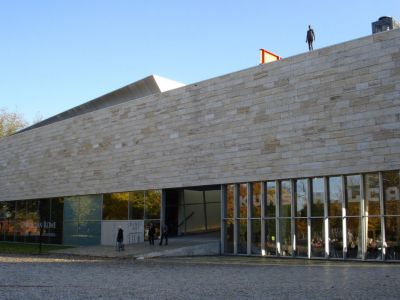
Art Hall is an art museum that opened in 1992. The museum features a variety of temporary exhibits throughout seven exhibition spaces. In addition, the museum has a cafe.
Koolhaas designed the museum. The architecture is distinctive, and the building resembles a box while the interior has a sloping, spiraling floor. The main gallery is designed to appear like it is hovering above street level. Koolhaas used unique materials such as raw concrete, corrugated plastic, galvanized steel, and roughly sawn tree trunks.
Exhibitions range from 20th-century artists to modern artists. Exhibitions have included exhibits focusing on artists such as Andy Warhol, Chuck Close, and Arne Quinze. In addition, the museum often features current event art exhibits like the recent Drawn: Rotterdam! One-And-A-Half-Meter-Society which focused on the Covid-19 pandemic.
The Art Hall is adjacent to the Museum Park, a beautifully landscaped outdoor area. The park has sculptures and an artistic bridge to nowhere.
Tip:
The outside museum park is great for a stroll and less touristy than expected – visit the Rose Garden!
Koolhaas designed the museum. The architecture is distinctive, and the building resembles a box while the interior has a sloping, spiraling floor. The main gallery is designed to appear like it is hovering above street level. Koolhaas used unique materials such as raw concrete, corrugated plastic, galvanized steel, and roughly sawn tree trunks.
Exhibitions range from 20th-century artists to modern artists. Exhibitions have included exhibits focusing on artists such as Andy Warhol, Chuck Close, and Arne Quinze. In addition, the museum often features current event art exhibits like the recent Drawn: Rotterdam! One-And-A-Half-Meter-Society which focused on the Covid-19 pandemic.
The Art Hall is adjacent to the Museum Park, a beautifully landscaped outdoor area. The park has sculptures and an artistic bridge to nowhere.
Tip:
The outside museum park is great for a stroll and less touristy than expected – visit the Rose Garden!
