Custom Walk in Inverness, Scotland by melanie_86b2f created on 2025-07-31
Guide Location: Scotland » Inverness
Guide Type: Custom Walk
# of Sights: 9
Tour Duration: 2 Hour(s)
Travel Distance: 4.4 Km or 2.7 Miles
Share Key: 2LF6C
Guide Type: Custom Walk
# of Sights: 9
Tour Duration: 2 Hour(s)
Travel Distance: 4.4 Km or 2.7 Miles
Share Key: 2LF6C
How It Works
Please retrieve this walk in the GPSmyCity app. Once done, the app will guide you from one tour stop to the next as if you had a personal tour guide. If you created the walk on this website or come to the page via a link, please follow the instructions below to retrieve the walk in the app.
Retrieve This Walk in App
Step 1. Download the app "GPSmyCity: Walks in 1K+ Cities" on Apple App Store or Google Play Store.



Step 2. In the GPSmyCity app, download(or launch) the guide "Inverness Map and Walking Tours".
Step 3. Tap the menu button located at upper right corner of the "Walks" screen and select "Retrieve custom walk". Enter the share key: 2LF6C
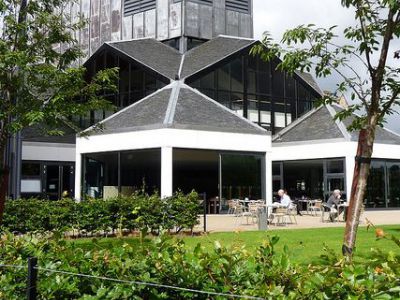
1) Eden Court Theater (must see)
Eden Court Theatre, located near the scenic banks of the River Ness in Inverness, is a cornerstone of Scotland’s cultural landscape. Originally opened on April 15, 1976, by actor Andrew Cruickshank MBE, the theatre brought a modern performance venue to the Highlands, a region that had been without a dedicated theatre since the 1930s. Built on the site of the historic Bishop’s Palace, the theatre’s architecture cleverly integrates Gothic heritage with contemporary design, a concept developed by architects Law Dunbar and Naismith.
The theatre has a rich history tied to Inverness's cultural evolution, succeeding earlier venues like the Theatre Royal and the Empire Theatre. These iconic spaces, which once hosted performances by luminaries such as Harry Lauder and The Corries, were lost to fire and demolition. The legacy of these venues lives on through the names of Eden Court’s refurbished spaces.
In 2007, Eden Court was extensively refurbished and expanded by Page\Park Architects and Robertson Construction, adding a second theatre, two cinemas, and upgraded facilities. Now Scotland's largest combined arts center, it features the 840-seat Empire Theatre, the 270-seat One Touch Theatre, and two cinemas, La Scala (125 seats) and Playhouse (78 seats).
The venue continues to honor its community ties and historical roots. For example, the One Touch Theatre's name references the local diabetes monitor produced by LifeScan, while the Jim Love Studio commemorates the late editor of the Inverness Courier. Eden Court also plays host to the annual Inverness Film Festival, showcasing Scottish premieres and international films.
With its rich history, state-of-the-art facilities, and vibrant programming, Eden Court Theatre remains a cultural hub, providing a dynamic space for art, film, and performance in the heart of the Highlands.
The theatre has a rich history tied to Inverness's cultural evolution, succeeding earlier venues like the Theatre Royal and the Empire Theatre. These iconic spaces, which once hosted performances by luminaries such as Harry Lauder and The Corries, were lost to fire and demolition. The legacy of these venues lives on through the names of Eden Court’s refurbished spaces.
In 2007, Eden Court was extensively refurbished and expanded by Page\Park Architects and Robertson Construction, adding a second theatre, two cinemas, and upgraded facilities. Now Scotland's largest combined arts center, it features the 840-seat Empire Theatre, the 270-seat One Touch Theatre, and two cinemas, La Scala (125 seats) and Playhouse (78 seats).
The venue continues to honor its community ties and historical roots. For example, the One Touch Theatre's name references the local diabetes monitor produced by LifeScan, while the Jim Love Studio commemorates the late editor of the Inverness Courier. Eden Court also plays host to the annual Inverness Film Festival, showcasing Scottish premieres and international films.
With its rich history, state-of-the-art facilities, and vibrant programming, Eden Court Theatre remains a cultural hub, providing a dynamic space for art, film, and performance in the heart of the Highlands.
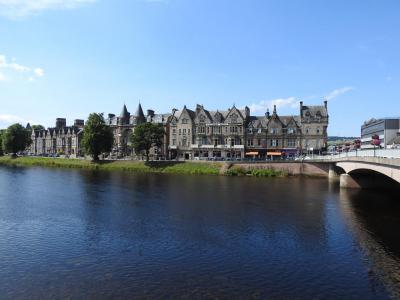
2) River Ness
The River Ness is a picturesque short river located in the Great Glen of Scotland, originating at Loch Dochfour, which lies at the northern end of the famous Loch Ness, and flowing northeast for six miles (10 kilometers) before emptying into the Moray Firth at Inverness. The river’s course runs parallel to the Caledonian Canal for its initial stretch, offering serene views and rich historical significance.
One of the river’s highlights is the Ness Islands, a cluster of wooded islets located within the river at Inverness. These islands are connected to the shore by charming footbridges, providing visitors with a peaceful retreat amid nature.
Bridges have been central to the River Ness’s history. A 15th-century timber bridge was replaced by a stone structure in 1685, which stood until a flood destroyed it in 1849. Immortalized by J.M.W. Turner, it was succeeded by a suspension bridge and later the current concrete Ness Bridge in 1961. Notable bridges also include the Victorian-era Greig Street and Infirmary Bridges.
The River Ness is also steeped in folklore and legend. The first recorded sighting of the Loch Ness Monster is said to have occurred here in AD 565 when Saint Columba reportedly banished a "water monster" back into the river after it attacked one of his disciples. This incident is one of the earliest accounts linking the area to the enduring Loch Ness Monster legend.
Another fascinating tale involves Saint Columba’s visit to King Bridei I of Pictland, whose residence was on the River Ness. According to tradition, Columba used a miraculous white pebble from the river to heal the king’s wizard, Broichan, who had suffered a seizure. The stone, which floated on water and was believed to have healing properties, was kept in the royal treasury and became a symbol of miraculous healing.
The River Ness is a remarkable blend of natural beauty, historical significance, and legendary lore, making it a must-visit site for those exploring the Highlands and seeking to uncover Scotland’s rich heritage.
One of the river’s highlights is the Ness Islands, a cluster of wooded islets located within the river at Inverness. These islands are connected to the shore by charming footbridges, providing visitors with a peaceful retreat amid nature.
Bridges have been central to the River Ness’s history. A 15th-century timber bridge was replaced by a stone structure in 1685, which stood until a flood destroyed it in 1849. Immortalized by J.M.W. Turner, it was succeeded by a suspension bridge and later the current concrete Ness Bridge in 1961. Notable bridges also include the Victorian-era Greig Street and Infirmary Bridges.
The River Ness is also steeped in folklore and legend. The first recorded sighting of the Loch Ness Monster is said to have occurred here in AD 565 when Saint Columba reportedly banished a "water monster" back into the river after it attacked one of his disciples. This incident is one of the earliest accounts linking the area to the enduring Loch Ness Monster legend.
Another fascinating tale involves Saint Columba’s visit to King Bridei I of Pictland, whose residence was on the River Ness. According to tradition, Columba used a miraculous white pebble from the river to heal the king’s wizard, Broichan, who had suffered a seizure. The stone, which floated on water and was believed to have healing properties, was kept in the royal treasury and became a symbol of miraculous healing.
The River Ness is a remarkable blend of natural beauty, historical significance, and legendary lore, making it a must-visit site for those exploring the Highlands and seeking to uncover Scotland’s rich heritage.
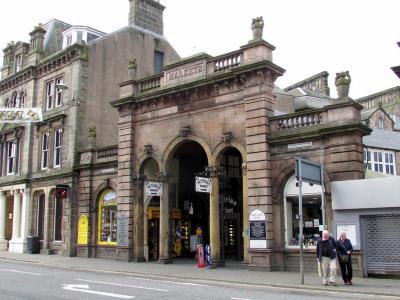
3) Victorian Market
The Victorian Market, nestled in the heart of Inverness, is a charming covered market that blends history, architecture, and local enterprise. This historic market, originally constructed in 1870 and rebuilt after a fire in 1890, boasts a striking Victorian-style building with ornate features like glass, timber, and cast-iron roof, as well as round-headed shopfronts. The surviving Academy Street entrance, scarred with knife marks from fish merchants of old, adds a unique historical touch.
Within the market, three distinct areas-Market Hall, Market Arcade, and Queensgate Arcade-host over 30 independent businesses. These shops, cafés, and services, many of which have been trading for generations, offer a wide range of high-quality goods. From clothing and accessories to gifts and souvenirs, visitors can discover unique products while experiencing a warm Highland welcome. The refurbished Market Hall provides a vibrant social hub, featuring a central seating area surrounded by stalls showcasing the best of Highland food producers. It’s an ideal spot for families and groups to enjoy local delicacies.
A must-visit destination, the Victorian Market captures the essence of Inverness with its blend of history, community spirit, and modern-day shopping. Whether you're hunting for treasures, indulging in refreshments, or simply soaking up the atmosphere, this iconic market is sure to leave a lasting impression.
Within the market, three distinct areas-Market Hall, Market Arcade, and Queensgate Arcade-host over 30 independent businesses. These shops, cafés, and services, many of which have been trading for generations, offer a wide range of high-quality goods. From clothing and accessories to gifts and souvenirs, visitors can discover unique products while experiencing a warm Highland welcome. The refurbished Market Hall provides a vibrant social hub, featuring a central seating area surrounded by stalls showcasing the best of Highland food producers. It’s an ideal spot for families and groups to enjoy local delicacies.
A must-visit destination, the Victorian Market captures the essence of Inverness with its blend of history, community spirit, and modern-day shopping. Whether you're hunting for treasures, indulging in refreshments, or simply soaking up the atmosphere, this iconic market is sure to leave a lasting impression.
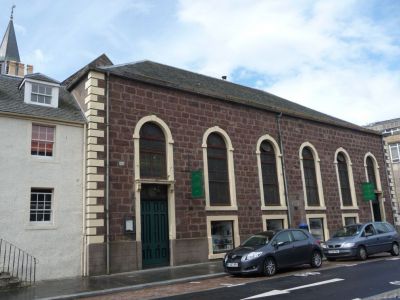
4) Leakey's Second Hand Bookshop
Nestled in the heart of Inverness’s Old Town, Leakey’s Second Hand Bookshop is a haven for book lovers and history enthusiasts alike. Occupying the former Saint Mary’s Gaelic Church (built in 1793), this family-run treasure trove boasts over 100,000 second-hand and antiquarian books, along with an impressive array of maps and prints. Since opening its doors to the public in 1979, Leakey’s has become the largest second-hand bookshop in Scotland and a must-see destination for bibliophiles from across the globe.
The charm of Leakey’s lies not only in its vast collection but also in its unique atmosphere. The towering bookshelves are complemented by a wood-burning fireplace that fills the space with warmth, adding a cozy touch that enchants visitors. For those who need a break from browsing, a mezzanine café offers coffee, light snacks, and temporary exhibitions of local art, making the experience even more memorable.
While most of Leakey’s collection is available only to in-person visitors, rare and antiquarian books have been listed online through AbeBooks since 2010, with over 8,000 titles currently available. This mix of modern convenience and old-world charm ensures something for everyone.
Whether you’re hunting for a literary gem, marveling at the history of the converted church, or simply enjoying the atmosphere by the fire, Leakey’s is a quintessential stop on any trip to Inverness.
The charm of Leakey’s lies not only in its vast collection but also in its unique atmosphere. The towering bookshelves are complemented by a wood-burning fireplace that fills the space with warmth, adding a cozy touch that enchants visitors. For those who need a break from browsing, a mezzanine café offers coffee, light snacks, and temporary exhibitions of local art, making the experience even more memorable.
While most of Leakey’s collection is available only to in-person visitors, rare and antiquarian books have been listed online through AbeBooks since 2010, with over 8,000 titles currently available. This mix of modern convenience and old-world charm ensures something for everyone.
Whether you’re hunting for a literary gem, marveling at the history of the converted church, or simply enjoying the atmosphere by the fire, Leakey’s is a quintessential stop on any trip to Inverness.
5) Greig Street Bridge (must see)
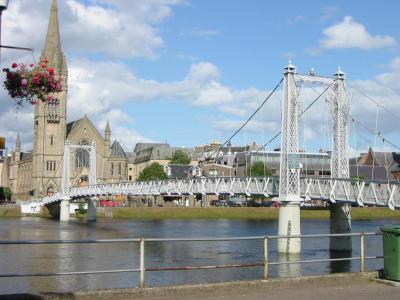
The Greig Street Bridge is a pedestrian footbridge that crosses the River Ness. The Greig Street Bridge can be reached from Bank Street on the east side of the river or Huntly Street to the West.
The suspension bridge was completed in 1881 by civil engineer C. Manners. It is made of two side spans that are 67 feet and a central span of 201 feet. The total distance of the bridge is 335 feet long.
The bridge has warren trusses with handrails that pedestrians can use as they pass over the river. Some of the most notable features of the bridge are the ornamental towers on each side. The towers use latticework to create a unique visage that makes the bridge as attractive to view from far away as up close.
Visitors should also take note of the arches beneath the towers. Though they are functional, they also form the perfect frame for a photo on the bridge with the Free North Church in the distance.
The suspension bridge was completed in 1881 by civil engineer C. Manners. It is made of two side spans that are 67 feet and a central span of 201 feet. The total distance of the bridge is 335 feet long.
The bridge has warren trusses with handrails that pedestrians can use as they pass over the river. Some of the most notable features of the bridge are the ornamental towers on each side. The towers use latticework to create a unique visage that makes the bridge as attractive to view from far away as up close.
Visitors should also take note of the arches beneath the towers. Though they are functional, they also form the perfect frame for a photo on the bridge with the Free North Church in the distance.
6) Bught Park
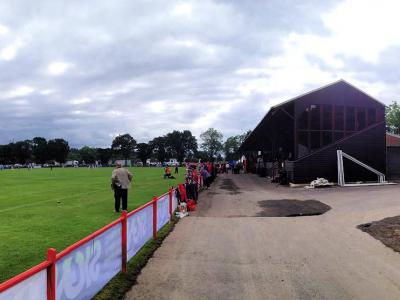
Bught Park is the largest recreational area in Inverness, located on the western bank of the picturesque River Ness, about a mile southwest of the city center. This versatile parkland has become a cornerstone of community and sports activities in the city, combining rich historical roots with modern amenities.
Originally part of the Bught House estate, the park occupies land once home to an 18th-century stately home that was demolished in the 1960s to make way for the Inverness Ice Centre. Today, Bught Park is a dynamic venue that hosts a wide range of events and facilities. It is particularly renowned as the site of the annual Inverness Highland Games, a celebration of traditional Scottish culture, and a small-scale outdoor music festival.
Bught Park is a sports hub, featuring a 5,000-capacity stadium with a renowned shinty pitch. It hosts major events like the Camanachd Cup Final and Composite Rules Shinty/Hurling Internationals. Home to Inverness Shinty Club since the 1920s, it is considered a top venue for shinty in Scotland. In 2009, it faced controversy when the council offered the stadium to a football team without consulting the shinty club.
The surrounding parkland enhances the area's appeal, offering a variety of attractions such as the Floral Hall, the Inverness Ice Centre, and the Inverness Leisure Centre, which includes an aquadome and an athletics stadium. Visitors can also enjoy a miniature golf course, a caravan park, and a campsite, making Bught Park an excellent destination for families, tourists, and sports fans alike.
Bught Park's historical legacy, vibrant event calendar, and extensive facilities make it a vital and beloved part of Inverness’s cultural and recreational life.
Originally part of the Bught House estate, the park occupies land once home to an 18th-century stately home that was demolished in the 1960s to make way for the Inverness Ice Centre. Today, Bught Park is a dynamic venue that hosts a wide range of events and facilities. It is particularly renowned as the site of the annual Inverness Highland Games, a celebration of traditional Scottish culture, and a small-scale outdoor music festival.
Bught Park is a sports hub, featuring a 5,000-capacity stadium with a renowned shinty pitch. It hosts major events like the Camanachd Cup Final and Composite Rules Shinty/Hurling Internationals. Home to Inverness Shinty Club since the 1920s, it is considered a top venue for shinty in Scotland. In 2009, it faced controversy when the council offered the stadium to a football team without consulting the shinty club.
The surrounding parkland enhances the area's appeal, offering a variety of attractions such as the Floral Hall, the Inverness Ice Centre, and the Inverness Leisure Centre, which includes an aquadome and an athletics stadium. Visitors can also enjoy a miniature golf course, a caravan park, and a campsite, making Bught Park an excellent destination for families, tourists, and sports fans alike.
Bught Park's historical legacy, vibrant event calendar, and extensive facilities make it a vital and beloved part of Inverness’s cultural and recreational life.
7) Ness Islands
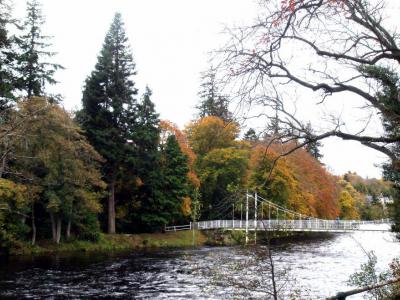
The Ness Islands, nestled on the River Ness opposite Bught Park, offer a tranquil escape just a short stroll from Inverness city center. This picturesque cluster of islands is connected by elegant Victorian suspension bridges, originally designed by William Dredge in 1853-1854, after earlier bridges were swept away by the flood of 1849. Before the first bridges were built in 1828, access to the islands was limited to boat travel.
Renowned for their natural beauty, the Ness Islands are a popular spot for leisurely walks along the Great Glen Way, where visitors can meander through pathways flanked by towering pines and mature trees. The area is home to a diverse range of wildlife, including bats, otters, and occasionally deer, making it a haven for nature enthusiasts. Additionally, a variety of imported tree species adds to the unique charm of the islands.
Families can enjoy amenities like play areas for children and the Ness Islands miniature railway, while all visitors can appreciate artistic touches like carved bench sculptures. A particularly delightful feature is the fallen tree Nessie sculpture, perfect for fun photo opportunities. The islands also offer opportunities to watch fishermen skillfully casting for salmon in the fast-flowing river during the summer months.
Whether you're seeking a peaceful retreat, a scenic walk, or a family outing, the Ness Islands provide a perfect blend of natural beauty and recreational activities in the heart of Inverness.
Renowned for their natural beauty, the Ness Islands are a popular spot for leisurely walks along the Great Glen Way, where visitors can meander through pathways flanked by towering pines and mature trees. The area is home to a diverse range of wildlife, including bats, otters, and occasionally deer, making it a haven for nature enthusiasts. Additionally, a variety of imported tree species adds to the unique charm of the islands.
Families can enjoy amenities like play areas for children and the Ness Islands miniature railway, while all visitors can appreciate artistic touches like carved bench sculptures. A particularly delightful feature is the fallen tree Nessie sculpture, perfect for fun photo opportunities. The islands also offer opportunities to watch fishermen skillfully casting for salmon in the fast-flowing river during the summer months.
Whether you're seeking a peaceful retreat, a scenic walk, or a family outing, the Ness Islands provide a perfect blend of natural beauty and recreational activities in the heart of Inverness.
8) Whin Park
Whin Park is a family-friendly haven nestled along the banks of the River Ness in Inverness, offering a perfect blend of fun, relaxation, and adventure. This expansive park caters to all ages, with attractions and activities that promise a delightful day out.
The park boasts four distinct adventure play zones, designed to captivate children aged 3 to 10. These areas feature zip lines, climbing structures with slides, and even a unique crashed plane play feature. The setup ensures good visibility, allowing parents to relax while their kids explore. For teens and active adults, there’s an adult-sized trim trail-an assault course-style setup ideal for those who want to join the fun and get some exercise.
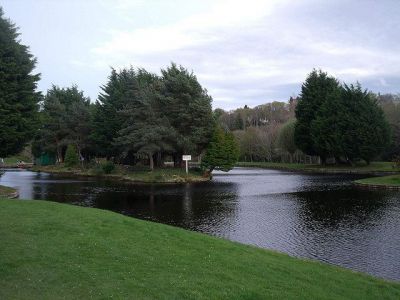
At the heart of the park lies the scenic boating pond, perfect for feeding ducks or hiring a rowboat. Boats accommodate up to four people, with each session lasting 30 minutes-ideal for a serene family outing. Bring along a model boat for added fun!
The charming Ness Islands Railway is a highlight of Whin Park, operating from April to October. As the most northerly miniature railway in the UK, it offers a unique experience with winding tracks, loops, and bridges that delight passengers of all ages.
Whin Park is well-equipped with conveniences to enhance your visit. Refreshments, including hot and cold drinks, ice cream, and treats, are available at nearby shops and cafes. Ample picnic spots invite you to relax and enjoy the green space.
In December, the park transforms into a festive wonderland during Whinter Wonderland, an award-winning event where kids can meet Santa and his reindeer, enjoy fairground rides, and marvel at dazzling lights. This free-to-attend festival adds an extra layer of magic to the holiday season.
The park boasts four distinct adventure play zones, designed to captivate children aged 3 to 10. These areas feature zip lines, climbing structures with slides, and even a unique crashed plane play feature. The setup ensures good visibility, allowing parents to relax while their kids explore. For teens and active adults, there’s an adult-sized trim trail-an assault course-style setup ideal for those who want to join the fun and get some exercise.
At the heart of the park lies the scenic boating pond, perfect for feeding ducks or hiring a rowboat. Boats accommodate up to four people, with each session lasting 30 minutes-ideal for a serene family outing. Bring along a model boat for added fun!
The charming Ness Islands Railway is a highlight of Whin Park, operating from April to October. As the most northerly miniature railway in the UK, it offers a unique experience with winding tracks, loops, and bridges that delight passengers of all ages.
Whin Park is well-equipped with conveniences to enhance your visit. Refreshments, including hot and cold drinks, ice cream, and treats, are available at nearby shops and cafes. Ample picnic spots invite you to relax and enjoy the green space.
In December, the park transforms into a festive wonderland during Whinter Wonderland, an award-winning event where kids can meet Santa and his reindeer, enjoy fairground rides, and marvel at dazzling lights. This free-to-attend festival adds an extra layer of magic to the holiday season.
9) Inverness Botanic Gardens
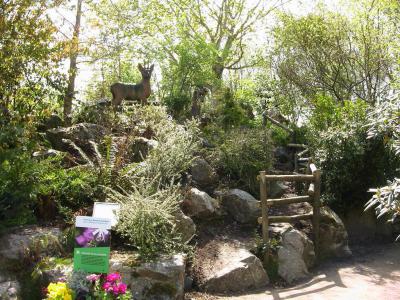
Nestled within the former walled garden of the 18th-century Bught House estate, the Inverness Botanic Gardens is a treasure trove of plant diversity and seasonal splendor. Located on the west bank of the River Ness in Inverness, this botanical gem opened its doors in 1993, initially known as Inverness Floral Hall and Gardens, and remains a beloved destination for plant enthusiasts, families, and those seeking a tranquil escape.
The gardens offer a vivid palette of color and texture throughout the year, with meticulously planted borders showcasing a wide array of plants adapted to various growing conditions. At the heart of the gardens is the Tropical House, a glasshouse mimicking tropical rainforests. Visitors can admire houseplants, exotic species like coffee, and vibrant blooms of bougainvillea, birds of paradise, and orchids. A cascading waterfall feeds a pond with Koi carp, while carnivorous plants, including Venus flytraps and monkey cups, add a fascinating touch.
Adjacent to the Tropical House is the Cactus House, home to hundreds of arid-loving species artfully arranged among 75 tonnes of rock and sand. The diversity of cacti is striking, from the towering Silver Torch native to Bolivia and Argentina to the Aeonium from the Canary Islands. Visitors can also spot agave, aloe, and the Ferocactus, which holds culinary significance in Mexico.
The glasshouses are complemented by outdoor formal gardens, a wildflower meadow, and the inspiring 'Secret Garden,' cultivated by the GROW (Garden, Recycle, Organic, and Wildlife) Project. This initiative, led by adults with special needs, has transformed a neglected area into a thriving garden over two decades.
In addition to its horticultural appeal, the Botanic Gardens feature a well-loved café serving soups, sandwiches, and tempting cakes, as well as a nursery where visitors can purchase locally grown plants. Entry to the gardens is free, supported by public donations and plant sales, making it an accessible and rewarding experience for all.
The gardens offer a vivid palette of color and texture throughout the year, with meticulously planted borders showcasing a wide array of plants adapted to various growing conditions. At the heart of the gardens is the Tropical House, a glasshouse mimicking tropical rainforests. Visitors can admire houseplants, exotic species like coffee, and vibrant blooms of bougainvillea, birds of paradise, and orchids. A cascading waterfall feeds a pond with Koi carp, while carnivorous plants, including Venus flytraps and monkey cups, add a fascinating touch.
Adjacent to the Tropical House is the Cactus House, home to hundreds of arid-loving species artfully arranged among 75 tonnes of rock and sand. The diversity of cacti is striking, from the towering Silver Torch native to Bolivia and Argentina to the Aeonium from the Canary Islands. Visitors can also spot agave, aloe, and the Ferocactus, which holds culinary significance in Mexico.
The glasshouses are complemented by outdoor formal gardens, a wildflower meadow, and the inspiring 'Secret Garden,' cultivated by the GROW (Garden, Recycle, Organic, and Wildlife) Project. This initiative, led by adults with special needs, has transformed a neglected area into a thriving garden over two decades.
In addition to its horticultural appeal, the Botanic Gardens feature a well-loved café serving soups, sandwiches, and tempting cakes, as well as a nursery where visitors can purchase locally grown plants. Entry to the gardens is free, supported by public donations and plant sales, making it an accessible and rewarding experience for all.
