Custom Walk in Kuala Lumpur, Malaysia by ali1471_3aeeb created on 2025-09-19
Guide Location: Malaysia » Kuala Lumpur
Guide Type: Custom Walk
# of Sights: 9
Tour Duration: 3 Hour(s)
Travel Distance: 7.6 Km or 4.7 Miles
Share Key: MMXPB
Guide Type: Custom Walk
# of Sights: 9
Tour Duration: 3 Hour(s)
Travel Distance: 7.6 Km or 4.7 Miles
Share Key: MMXPB
How It Works
Please retrieve this walk in the GPSmyCity app. Once done, the app will guide you from one tour stop to the next as if you had a personal tour guide. If you created the walk on this website or come to the page via a link, please follow the instructions below to retrieve the walk in the app.
Retrieve This Walk in App
Step 1. Download the app "GPSmyCity: Walks in 1K+ Cities" on Apple App Store or Google Play Store.



Step 2. In the GPSmyCity app, download(or launch) the guide "Kuala Lumpur Map and Walking Tours".
Step 3. Tap the menu button located at upper right corner of the "Walks" screen and select "Retrieve custom walk". Enter the share key: MMXPB
1) Kuala Lumpur Tower (Menara) (must see)
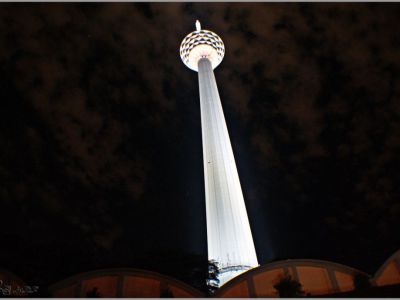
Built at the heart of the Golden Triangle of Kuala Lumpur is the slender tower of Kuala Lumpur or the Menara Kuala Lumpur. Surrounded by trees and a lush forest, the Tower actually resides in the heart of the forest reserve of the city. Inaugurated by the Prime Minister, YAB Dato Seri Dr. Mahathir Mohamad, in 1996, the Tower took four years to complete.
The main reason for creating this stunning slender piece of engineering and architecture was facilitating the telecommunications and broadcasting power of the city. The Menara stands just fifth in rank for the world’s tallest structures. Soaring at a height of 421 meters or 1,381 feet, inclusive of the antenna, the Menara is perched atop the Bukit Nana which is 94 meters above sea level, making it reach higher than the Petronas Towers.
Although the Tower stands amidst the forest reserve, grave pains were taken to see to it that the construction of the Menara did not affect the reserve. In fact, a RM 430,000 wall was constructed around the oldest tree to protect it.
The Tower is open from 9 o'clock in the morning until 10 o'clock in the evening during which time the visitors can enjoy the breathtaking panoramic views of the city of Kuala Lumpur.
The main reason for creating this stunning slender piece of engineering and architecture was facilitating the telecommunications and broadcasting power of the city. The Menara stands just fifth in rank for the world’s tallest structures. Soaring at a height of 421 meters or 1,381 feet, inclusive of the antenna, the Menara is perched atop the Bukit Nana which is 94 meters above sea level, making it reach higher than the Petronas Towers.
Although the Tower stands amidst the forest reserve, grave pains were taken to see to it that the construction of the Menara did not affect the reserve. In fact, a RM 430,000 wall was constructed around the oldest tree to protect it.
The Tower is open from 9 o'clock in the morning until 10 o'clock in the evening during which time the visitors can enjoy the breathtaking panoramic views of the city of Kuala Lumpur.
2) Suria KLCC
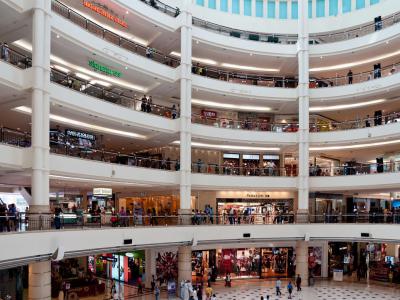
For the shopaholic at heart, there could be no place better than Kuala Lumpur. From bargain stalls on the street to high end boutiques, the city has something for every kind of shopper. While you can put your haggling skills to practice at the Petaling Street and the Central Market, the Suria at the Kuala Lumpur City Center is where sophistication is the key ingredient.
Located beside the Petronas, the world’s tallest twin towers, the Suria is Kuala Lumpur’s most chic shopping malls. Offering a Class-A international shopping experience, the Suria is filled with the glitz and glamour. Select from some of the world’s most sought after brands and services along with some of the best local boutiques. With classy restaurants and food kiosks, one can easily spend an entire day at the Suria. Apart from having an excellent retail collection, the mall also has some fun activities and attractions that might be worth the while when you visit.
A popular choice for many visitors is the Aquaria, where you get to experience the rich underwater flora of the city. For science lovers, there is the Petrosians Discovery Center which is an interactive science center that does a great job presenting the world of science and technology to all.
Located beside the Petronas, the world’s tallest twin towers, the Suria is Kuala Lumpur’s most chic shopping malls. Offering a Class-A international shopping experience, the Suria is filled with the glitz and glamour. Select from some of the world’s most sought after brands and services along with some of the best local boutiques. With classy restaurants and food kiosks, one can easily spend an entire day at the Suria. Apart from having an excellent retail collection, the mall also has some fun activities and attractions that might be worth the while when you visit.
A popular choice for many visitors is the Aquaria, where you get to experience the rich underwater flora of the city. For science lovers, there is the Petrosians Discovery Center which is an interactive science center that does a great job presenting the world of science and technology to all.
3) Petronas Towers (must see)
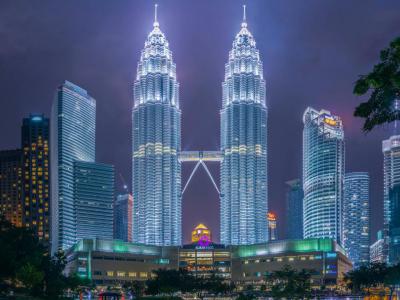
Petronas Towers are arguably the most notable landmarks in all of Malaysia. Looking over KLCC Park and Simfoni Lake, Petronas Towers stand at 1,483 feet, making them the tallest twin towers in the world.
The towers were designed by Cesar Pelli, an Argentinian architect who used Postmodern Islamic architecture to create the unique style. Petronas Towers are made from a combination of reinforced concrete, steel and glass. Construction on the towers began in 1993 and was completed six years later in 1999.
At the time of its completion, Petronas Towers were listed as the tallest buildings in the world. Since that time, the towers have been overshadowed by buildings like Taipei 101, One World Trade Center and the Burj Khalifa. They continue to be the tallest buildings in Malaysia at just 23 feet higher than the Exchange 106.
Visitors are welcome in either tower where they can explore the Petrosains Discovery Centre and the Petronas Art Gallery. They can walk the Sky Bridge that connects the two towers on the 42nd floor. An observatory deck is located on the 86th floor of Tower Two.
Suria KLCC is a retail space at the base of Petronas Towers. The shopping center is home to luxury shops, an aquarium, an art gallery and a science center.
Why You Should Visit:
It is a real cool experience to see the tallest twin towers in the world and catch a view of Kuala Lumpur from the observation deck
Tips:
Visitors are welcome in the towers between 10 AM and 6 PM on Tuesdays through Sundays. Tickets must be reserved in advance.
The towers were designed by Cesar Pelli, an Argentinian architect who used Postmodern Islamic architecture to create the unique style. Petronas Towers are made from a combination of reinforced concrete, steel and glass. Construction on the towers began in 1993 and was completed six years later in 1999.
At the time of its completion, Petronas Towers were listed as the tallest buildings in the world. Since that time, the towers have been overshadowed by buildings like Taipei 101, One World Trade Center and the Burj Khalifa. They continue to be the tallest buildings in Malaysia at just 23 feet higher than the Exchange 106.
Visitors are welcome in either tower where they can explore the Petrosains Discovery Centre and the Petronas Art Gallery. They can walk the Sky Bridge that connects the two towers on the 42nd floor. An observatory deck is located on the 86th floor of Tower Two.
Suria KLCC is a retail space at the base of Petronas Towers. The shopping center is home to luxury shops, an aquarium, an art gallery and a science center.
Why You Should Visit:
It is a real cool experience to see the tallest twin towers in the world and catch a view of Kuala Lumpur from the observation deck
Tips:
Visitors are welcome in the towers between 10 AM and 6 PM on Tuesdays through Sundays. Tickets must be reserved in advance.
4) KLCC Park (must see)
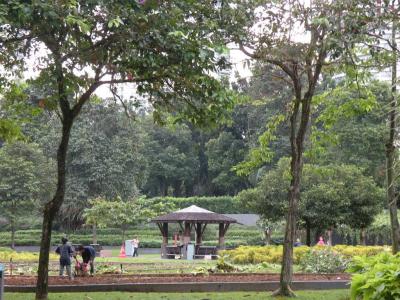
KLCC Park (Taman KLCC) is an urban green space located in the heart of Kuala Lumpur City Centre. This park was meticulously designed to enhance the surroundings of the Petronas Twin Towers and contribute a touch of nature to the bustling cityscape.
The visionary behind this park's creation was the renowned Brazilian architect Roberto Burle Marx. Interestingly, it is noted as his final masterpiece. The primary objective when conceptualizing the park was to leave a lasting impression on visitors, fostering an increased appreciation for the natural world.
The park seamlessly combines human-made structures with the beauty of nature, offering a serene escape amidst the urban hustle and bustle. It boasts a harmonious blend of architectural elements like concrete pathways, water features, along with natural components such as trees, shrubs, rocks, and wood. Ingenious design elements, including the park's shape and terrain, create a sense of spaciousness. Additionally, the careful arrangement of trees, shrubs, and sculptures adds vibrant colors and forms to the landscape.
Preservation of biodiversity played a pivotal role in shaping the park's design. Remarkably, 23 mature and rare specimens were rescued from the former Selangor Turf Club and transplanted within the park's boundaries. Moreover, the park's creators planted 1900 indigenous trees and 66 distinct species of palms to encourage biodiversity. The selection of these trees was deliberate, intended to attract both local and migratory bird species.
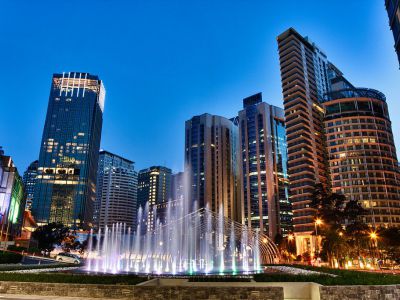
Central to the park's layout is a man-made lake featuring an impressive 18-meter-high water fountain. Positioned directly in front of the Suria KLCC mall and the iconic Petronas Twin Towers, it serves as a captivating focal point. Moreover, a 4.3-meter-high elevated bridge traverses the lake, providing an exceptional vantage point for admiring the park's beauty and the grandeur of the twin towers.
The visionary behind this park's creation was the renowned Brazilian architect Roberto Burle Marx. Interestingly, it is noted as his final masterpiece. The primary objective when conceptualizing the park was to leave a lasting impression on visitors, fostering an increased appreciation for the natural world.
The park seamlessly combines human-made structures with the beauty of nature, offering a serene escape amidst the urban hustle and bustle. It boasts a harmonious blend of architectural elements like concrete pathways, water features, along with natural components such as trees, shrubs, rocks, and wood. Ingenious design elements, including the park's shape and terrain, create a sense of spaciousness. Additionally, the careful arrangement of trees, shrubs, and sculptures adds vibrant colors and forms to the landscape.
Preservation of biodiversity played a pivotal role in shaping the park's design. Remarkably, 23 mature and rare specimens were rescued from the former Selangor Turf Club and transplanted within the park's boundaries. Moreover, the park's creators planted 1900 indigenous trees and 66 distinct species of palms to encourage biodiversity. The selection of these trees was deliberate, intended to attract both local and migratory bird species.
Central to the park's layout is a man-made lake featuring an impressive 18-meter-high water fountain. Positioned directly in front of the Suria KLCC mall and the iconic Petronas Twin Towers, it serves as a captivating focal point. Moreover, a 4.3-meter-high elevated bridge traverses the lake, providing an exceptional vantage point for admiring the park's beauty and the grandeur of the twin towers.
5) Kuala Lumpur City Centre (KLCC)
Kuala Lumpur City Centre (KLCC) stands as a versatile urban development zone within Kuala Lumpur. It serves as a multifaceted hub, encompassing elements of entertainment, commerce, and corporate activities. KLCC boasts some of Malaysia's most renowned landmarks, rendering it a highly sought-after destination for tourists. Visitors to this area can indulge in a plethora of activities ranging from dining, arts, and culture to leisurely pursuits, sightseeing, shopping, and entertainment.
This locality is situated in close proximity to prominent thoroughfares like Jalan Ampang, Jalan P. Ramlee, Jalan Binjai, Jalan Kia Peng, and Jalan Pinang. It houses various shopping complexes such as Suria KLCC and Avenue K. Additionally, several hotels, including G Tower, Mandarin Oriental, Grand Hyatt Kuala Lumpur, and InterContinental Kuala Lumpur, are conveniently accessible on foot.
Designed to function as a self-contained urban enclave, this sprawling 100-acre site encompasses the world's tallest twin towers, a shopping mall, office buildings, and numerous hotels. A public park and a mosque have also been integrated into the surroundings, offering open access to all. The entire project benefits from district cooling infrastructure to maintain a comfortable environment throughout the premises.
Why You Should Visit:
If you're looking for a place to take pictures of the Petronas Twin Towers, the KLCC park can be considered. There's also a proper 1.2km track for you to run, too, and a free light show each evening.
This locality is situated in close proximity to prominent thoroughfares like Jalan Ampang, Jalan P. Ramlee, Jalan Binjai, Jalan Kia Peng, and Jalan Pinang. It houses various shopping complexes such as Suria KLCC and Avenue K. Additionally, several hotels, including G Tower, Mandarin Oriental, Grand Hyatt Kuala Lumpur, and InterContinental Kuala Lumpur, are conveniently accessible on foot.
Designed to function as a self-contained urban enclave, this sprawling 100-acre site encompasses the world's tallest twin towers, a shopping mall, office buildings, and numerous hotels. A public park and a mosque have also been integrated into the surroundings, offering open access to all. The entire project benefits from district cooling infrastructure to maintain a comfortable environment throughout the premises.
Why You Should Visit:
If you're looking for a place to take pictures of the Petronas Twin Towers, the KLCC park can be considered. There's also a proper 1.2km track for you to run, too, and a free light show each evening.
6) Pavilion Kuala Lumpur (must see)
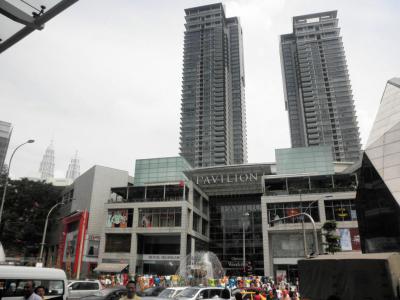
Pavilion Kuala Lumpur is a prominent shopping center located in the vibrant Bukit Bintang district of Kuala Lumpur. This bustling complex was constructed on the site where the historic Bukit Bintang Girls' School once stood. This school, known as the oldest in Kuala Lumpur, was relocated to Cheras in 2000, where it was renamed Sekolah Seri Bintang Utara.
The Pavilion Kuala Lumpur officially opened its doors on September 20, 2007. The extensive development comprises not only a premier shopping center but also includes two blocks of serviced apartments, an office block, and a luxurious 5-star hotel. In 2016, the mall expanded with the addition of Pavilion Elite, a significant extension, and was further enhanced by the development of a new residential block constructed above it.
Further expanding its presence, Pavilion Kuala Lumpur launched a sister mall in the southern suburbs of the city on December 3, 2021. This new mall, named Pavilion Bukit Jalil, boasts an impressive 1.8 million square feet of retail space. It houses notable features such as Malaysia's first Tsutaya Bookstore and the country's longest Muji Store. A distinctive highlight of Pavilion Bukit Jalil is its projection mapping dome located at the center court, adding a unique visual element to the shopping experience.
Continuing its expansion, a third mall under the Pavilion brand opened on October 8, 2023. Named Pavilion Damansara Heights, this mall, though smaller with only 1 million square feet of space, marks another significant addition to the Pavilion Kuala Lumpur's growing portfolio of retail destinations. Each of these malls, with their distinct characteristics and offerings, contributes to the dynamic retail landscape of Kuala Lumpur, drawing both local shoppers and international tourists.
The Pavilion Kuala Lumpur officially opened its doors on September 20, 2007. The extensive development comprises not only a premier shopping center but also includes two blocks of serviced apartments, an office block, and a luxurious 5-star hotel. In 2016, the mall expanded with the addition of Pavilion Elite, a significant extension, and was further enhanced by the development of a new residential block constructed above it.
Further expanding its presence, Pavilion Kuala Lumpur launched a sister mall in the southern suburbs of the city on December 3, 2021. This new mall, named Pavilion Bukit Jalil, boasts an impressive 1.8 million square feet of retail space. It houses notable features such as Malaysia's first Tsutaya Bookstore and the country's longest Muji Store. A distinctive highlight of Pavilion Bukit Jalil is its projection mapping dome located at the center court, adding a unique visual element to the shopping experience.
Continuing its expansion, a third mall under the Pavilion brand opened on October 8, 2023. Named Pavilion Damansara Heights, this mall, though smaller with only 1 million square feet of space, marks another significant addition to the Pavilion Kuala Lumpur's growing portfolio of retail destinations. Each of these malls, with their distinct characteristics and offerings, contributes to the dynamic retail landscape of Kuala Lumpur, drawing both local shoppers and international tourists.
7) Chinatown
Kuala Lumpur's Chinatown is a dynamic, colorful area that perfectly illustrates the blend of old traditions and modern life. It's a great spot for anyone wanting to experience Chinese-Malaysian culture, packed with various activities and sights.
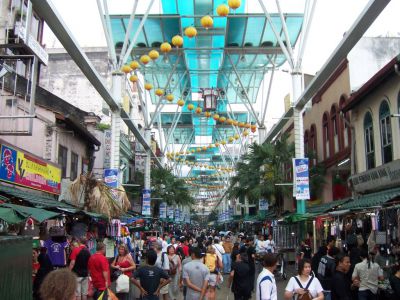
Petaling Street is at the core of Chinatown. It's known for its fashion stores and a big covered market selling a wide range of items like produce, clothing, and accessories. At night, Petaling Street turns into an evening market with red Chinese lanterns, offering a beautiful view. The street vendors sell all sorts of things, from fake designer clothes and bags to electronics, fresh produce, spices, and different souvenirs. This change from a busy day market to a lively night market gives a special feel, really showing what this place is about.
The food scene in Chinatown is a key feature, with everything from street food like nasi lemak and pisang goreng to high-end Chinese restaurants. Teh tarik, a popular local tea, is a must-try, combining taste and tradition.
Chinatown also has important religious sites like the Taoist Guan Di Temple and the 19th-century Sri Mahamariamman Temple, famous for its detailed facade with Hindu gods. These temples are not just spiritual places but also architectural wonders that show the rich history of the area. The Chan See Shu Yuen Temple is another highlight, offering insight into Chinatown's historical background amid modern tourist spots.
Petaling Street is at the core of Chinatown. It's known for its fashion stores and a big covered market selling a wide range of items like produce, clothing, and accessories. At night, Petaling Street turns into an evening market with red Chinese lanterns, offering a beautiful view. The street vendors sell all sorts of things, from fake designer clothes and bags to electronics, fresh produce, spices, and different souvenirs. This change from a busy day market to a lively night market gives a special feel, really showing what this place is about.
The food scene in Chinatown is a key feature, with everything from street food like nasi lemak and pisang goreng to high-end Chinese restaurants. Teh tarik, a popular local tea, is a must-try, combining taste and tradition.
Chinatown also has important religious sites like the Taoist Guan Di Temple and the 19th-century Sri Mahamariamman Temple, famous for its detailed facade with Hindu gods. These temples are not just spiritual places but also architectural wonders that show the rich history of the area. The Chan See Shu Yuen Temple is another highlight, offering insight into Chinatown's historical background amid modern tourist spots.
8) Petaling Street (Chinatown)
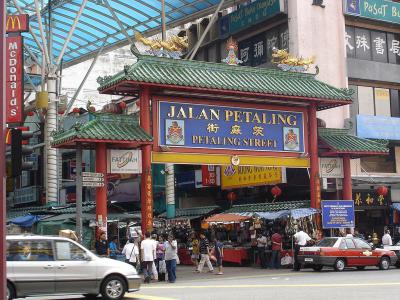
Right at the epicenter of the Chinatown in Kuala Lumpur is the famous Petaling Street, the buzzing street bazaar of the city. So brush up your haggling skills and put on your most comfy pair of shoes, for this is not a sight to miss!
You will find that there is very little that the street cannot offer. From clothes, bags and accessories to local brands of goodies, the street has it all. Not only are the day bazaars worth a visit, but the street is also known for its night markets. Apart from that, the street has some mouthwatering snack stalls and hawkers that make tasty local cuisine.
At the Petaling Street you will find the true essence of Kuala Lumpur’s street shopping. However, it's not all just about shopping. The area has some very pretty monuments and temples that are a pure delight to experience. Amongst these are the ornate South Indian Temple of Sri Mahamariamman and the Chan See Shu Yuen Temple, which is Chinese in origin and dates back to the early 20th century.
Why You Should Visit:
Local cuisine at its glorious best, plus bargain-able products!
You will find that there is very little that the street cannot offer. From clothes, bags and accessories to local brands of goodies, the street has it all. Not only are the day bazaars worth a visit, but the street is also known for its night markets. Apart from that, the street has some mouthwatering snack stalls and hawkers that make tasty local cuisine.
At the Petaling Street you will find the true essence of Kuala Lumpur’s street shopping. However, it's not all just about shopping. The area has some very pretty monuments and temples that are a pure delight to experience. Amongst these are the ornate South Indian Temple of Sri Mahamariamman and the Chan See Shu Yuen Temple, which is Chinese in origin and dates back to the early 20th century.
Why You Should Visit:
Local cuisine at its glorious best, plus bargain-able products!
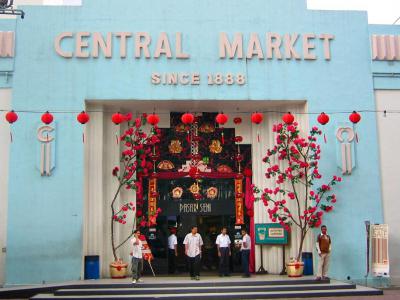
9) Central Market (must see)
Founded in 1888 by the British, the Central Market is one of the best places to visit in Kuala Lumpur. Not only is it one of the prime locations to shop in the city, it is also the best place to enjoy the fruits of a multi-cultural and multi-ethnic environment. Because Kuala Lumpur has a rich blend of diverse cultures and people hailing from different parts of the globe, each have their unique set of handicrafts along with a unique blend that is very Malaysian. The market is one of the most visited sights in the city and quite a popular destination for buying souvenirs and mementoes for your trip.
The market was founded in 1888 and originally used as a wet market, while the current Art Deco style building was completed in 1937. It has been classified as a Heritage Site by the Malaysian Heritage Society and it is now a landmark for Malaysian culture and heritage.
With constant renovations and refurbishment, the market soon had distinct stalls and zones for different ethnic groups to display and promote their items. In the earlier days the Central market was nick named the “wet market” because the floors were constantly wet. The market was visited mainly by tin miners of the region and sold meat, vegetables and the catch of the day!
Today the market mainly sells food, sweets, arts, crafts, bags, t-shirts and souvenirs. It is clean, well lit, easily accessible and conveniently located close to multiple public transport facilities.
The market was founded in 1888 and originally used as a wet market, while the current Art Deco style building was completed in 1937. It has been classified as a Heritage Site by the Malaysian Heritage Society and it is now a landmark for Malaysian culture and heritage.
With constant renovations and refurbishment, the market soon had distinct stalls and zones for different ethnic groups to display and promote their items. In the earlier days the Central market was nick named the “wet market” because the floors were constantly wet. The market was visited mainly by tin miners of the region and sold meat, vegetables and the catch of the day!
Today the market mainly sells food, sweets, arts, crafts, bags, t-shirts and souvenirs. It is clean, well lit, easily accessible and conveniently located close to multiple public transport facilities.
