Custom Walk in Cannes, France by mdoday_d8c9b created on 2025-11-03
Guide Location: France » Cannes
Guide Type: Custom Walk
# of Sights: 9
Tour Duration: 2 Hours
Travel Distance: 3.7 Km or 2.3 Miles
Share Key: KF3X4
Guide Type: Custom Walk
# of Sights: 9
Tour Duration: 2 Hours
Travel Distance: 3.7 Km or 2.3 Miles
Share Key: KF3X4
How It Works
Please retrieve this walk in the GPSmyCity app. Once done, the app will guide you from one tour stop to the next as if you had a personal tour guide. If you created the walk on this website or come to the page via a link, please follow the instructions below to retrieve the walk in the app.
Retrieve This Walk in App
Step 1. Download the app "GPSmyCity: Walks in 1K+ Cities" on Apple App Store or Google Play Store.



Step 2. In the GPSmyCity app, download(or launch) the guide "Cannes Map and Walking Tours".
Step 3. Tap the menu button located at upper right corner of the "Walks" screen and select "Retrieve custom walk". Enter the share key: KF3X4
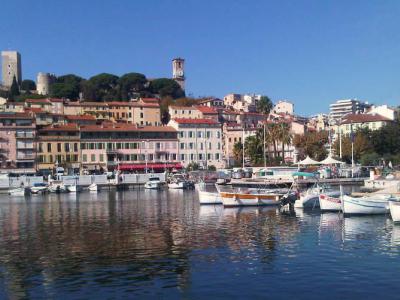
1) Vieux Port (Old Port)
The Old Port lies just below the old quarter and reflects the maritime roots of Cannes. Long before luxury tourism defined the city, this harbor served as a working port for fishermen and traders. Ancient Italic settlers and later the Romans used it as a stopping point along Mediterranean routes, particularly between the mainland and the nearby Lérins Islands. For centuries, shipping was the main form of transportation, and the port functioned as the town’s economic center.
Today, the harbor presents a striking contrast. Traditional sailboats often anchor alongside large modern yachts, some of which belong to international visitors who arrive during major events. The atmosphere becomes especially lively during the Cannes Yachting Festival in September, when newly designed mega yachts, electric boats, and multihulls are displayed throughout the marina, turning the waterfront into an open-air exhibition.
One of the port’s most notable features is the renovated seawall now called the Joséphine Baker Jetty, named after Joséphine Baker. Baker was an American-born singer, dancer, and actress who became a major star in France and later served as a member of the French Resistance during World War II. The wide jetty offers open views across the Bay of Cannes and toward the Lérins Islands, and its accessible design makes it suitable for visitors of all ages. In summer, a large Ferris wheel nearby provides elevated views over the harbor.
Today, the harbor presents a striking contrast. Traditional sailboats often anchor alongside large modern yachts, some of which belong to international visitors who arrive during major events. The atmosphere becomes especially lively during the Cannes Yachting Festival in September, when newly designed mega yachts, electric boats, and multihulls are displayed throughout the marina, turning the waterfront into an open-air exhibition.
One of the port’s most notable features is the renovated seawall now called the Joséphine Baker Jetty, named after Joséphine Baker. Baker was an American-born singer, dancer, and actress who became a major star in France and later served as a member of the French Resistance during World War II. The wide jetty offers open views across the Bay of Cannes and toward the Lérins Islands, and its accessible design makes it suitable for visitors of all ages. In summer, a large Ferris wheel nearby provides elevated views over the harbor.
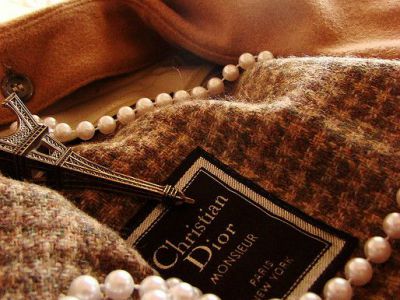
2) Dior
Dior, a well-known fashion brand celebrated for its lavish and trendy creations, has opened a new flagship store in Cannes, reflecting the brand's prestigious reputation. Situated on Boulevard de la Croisette, a prominent street in France, the Dior boutique is strategically positioned across from the Palais des Festivals, making it a focal point during major events such as the Cannes Film Festival. This prime spot ensures that Dior remains central to celebrity and high-fashion gatherings, attracting the attention of both attendees and passersby.
The new Dior store in Cannes underscores the brand's enduring allure and dedication to luxury. Spanning three floors, the store offers a wide range of Dior products. The basement is dedicated to menswear, while the ground floor displays leather goods, bags, and both high-end and costume jewelry. The upper floor features women's ready-to-wear fashion, showcasing a refined selection of clothing, shoes, and accessories. This layout caters to the needs of all clients, from casual shoppers to those seeking the finest in haute couture.
The Cannes Dior boutique is renowned for its exquisite design and ranks among the city's most iconic and attractive stores. Its diverse international offerings encompass clothing, cosmetics, jewelry, and accessories, all presented with the exceptional service and warmth for which Dior is known. The combination of its strategic location, extensive product range, and outstanding customer service establishes the Dior store in Cannes as a must-visit destination for fashion enthusiasts and luxury shoppers exploring the French Riviera.
The new Dior store in Cannes underscores the brand's enduring allure and dedication to luxury. Spanning three floors, the store offers a wide range of Dior products. The basement is dedicated to menswear, while the ground floor displays leather goods, bags, and both high-end and costume jewelry. The upper floor features women's ready-to-wear fashion, showcasing a refined selection of clothing, shoes, and accessories. This layout caters to the needs of all clients, from casual shoppers to those seeking the finest in haute couture.
The Cannes Dior boutique is renowned for its exquisite design and ranks among the city's most iconic and attractive stores. Its diverse international offerings encompass clothing, cosmetics, jewelry, and accessories, all presented with the exceptional service and warmth for which Dior is known. The combination of its strategic location, extensive product range, and outstanding customer service establishes the Dior store in Cannes as a must-visit destination for fashion enthusiasts and luxury shoppers exploring the French Riviera.
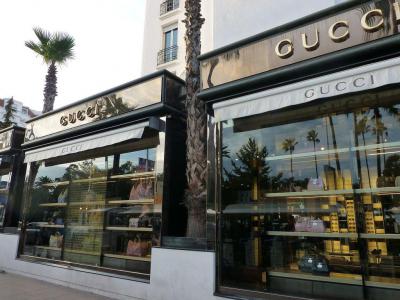
3) Gucci
The Gucci store in Cannes, stands as a symbol of the brand's long-standing reputation for sophistication, style, and originality. Positioned along the renowned La Croisette, it serves as a magnet for those seeking high-end fashion, drawing in affluent clientele with its timeless yet modern offerings. The store's design is characterized by its understated elegance, with simple shelving and chic glass displays showcasing Gucci's coveted products. From the iconic bamboo bag popularized in the 1940s to the classic horsebit designs, the boutique captures the essence of Gucci's glamour and refinement.
This innovative approach has been integral to Gucci since its establishment, ensuring that the Cannes location lives up to expectations. Originating in Florence in 1921, Gucci has evolved from a single boutique to a global symbol of Italian craftsmanship, visionary creativity, and groundbreaking design. Throughout the 20th and 21st centuries, the brand has not only reflected but also shaped fashion trends and cultural movements, leaving an indelible mark on the fashion world and beyond.
Gucci stands as a pinnacle of Italian artisanal mastery, renowned for its exceptional quality and meticulous attention to detail. With over a century of luxury heritage, Gucci continues to redefine luxury across its diverse range of offerings, including ready-to-wear, leather goods, footwear, accessories, jewelry, watches, home decor, and more, all while championing creativity and innovation.
The Gucci boutique in Cannes, blending historical significance with contemporary style, epitomizes the brand's rich legacy and steadfast dedication to luxury and elegance.
This innovative approach has been integral to Gucci since its establishment, ensuring that the Cannes location lives up to expectations. Originating in Florence in 1921, Gucci has evolved from a single boutique to a global symbol of Italian craftsmanship, visionary creativity, and groundbreaking design. Throughout the 20th and 21st centuries, the brand has not only reflected but also shaped fashion trends and cultural movements, leaving an indelible mark on the fashion world and beyond.
Gucci stands as a pinnacle of Italian artisanal mastery, renowned for its exceptional quality and meticulous attention to detail. With over a century of luxury heritage, Gucci continues to redefine luxury across its diverse range of offerings, including ready-to-wear, leather goods, footwear, accessories, jewelry, watches, home decor, and more, all while championing creativity and innovation.
The Gucci boutique in Cannes, blending historical significance with contemporary style, epitomizes the brand's rich legacy and steadfast dedication to luxury and elegance.
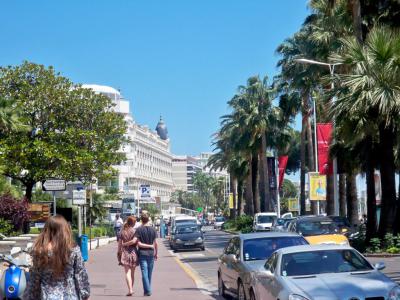
4) Boulevard de la Croisette (Croisette Boulevard) (must see)
As you step onto Croisette Boulevard, you immediately understand why it defines Cannes. Stretching for about two kilometers along the Mediterranean, the boulevard has followed this curve of coastline since 1857. Its location alone explains its status: open sea on one side, grand hotels and boutiques on the other. Protected as part of France’s cultural heritage, it remains one of the country’s most recognized waterfront promenades.
Walking along, the architecture tells the story of Cannes’ rise as a resort destination. Landmark hotels such as InterContinental Carlton Cannes and Hôtel Barrière Le Majestic reflect the Belle Époque era, when European aristocrats wintered here. Their façades, domes, and balconies were designed to impress, and they continue to frame the boulevard’s skyline. The Carlton Beach Club, set directly on the sand, extends this tradition into the present - fine dining and private beach service reinforce the boulevard’s reputation for elegance. Film history is also part of the setting: Alfred Hitchcock filmed scenes from "To Catch a Thief" here, linking the seafront directly to cinematic storytelling.
At the western end stands the Palace of Festivals and Congresses, where the Cannes Film Festival takes place. During festival season, the boulevard transforms into an international stage filled with premieres, photographers, and visitors. Even outside those weeks, the red-carpet staircase remains a symbol of the city’s global identity.
Between hotels and boutiques, you’ll notice public beach access points that make the space more inclusive than its polished image suggests. Sunbathers, swimmers, shoppers, and those simply out for a promenade share the same stretch of pavement. If you later climb to Le Suquet above, the view looking down over the boulevard and the sparkling Riviera coastline reveals how this single road has come to represent the city itself.
Walking along, the architecture tells the story of Cannes’ rise as a resort destination. Landmark hotels such as InterContinental Carlton Cannes and Hôtel Barrière Le Majestic reflect the Belle Époque era, when European aristocrats wintered here. Their façades, domes, and balconies were designed to impress, and they continue to frame the boulevard’s skyline. The Carlton Beach Club, set directly on the sand, extends this tradition into the present - fine dining and private beach service reinforce the boulevard’s reputation for elegance. Film history is also part of the setting: Alfred Hitchcock filmed scenes from "To Catch a Thief" here, linking the seafront directly to cinematic storytelling.
At the western end stands the Palace of Festivals and Congresses, where the Cannes Film Festival takes place. During festival season, the boulevard transforms into an international stage filled with premieres, photographers, and visitors. Even outside those weeks, the red-carpet staircase remains a symbol of the city’s global identity.
Between hotels and boutiques, you’ll notice public beach access points that make the space more inclusive than its polished image suggests. Sunbathers, swimmers, shoppers, and those simply out for a promenade share the same stretch of pavement. If you later climb to Le Suquet above, the view looking down over the boulevard and the sparkling Riviera coastline reveals how this single road has come to represent the city itself.
5) Pastis
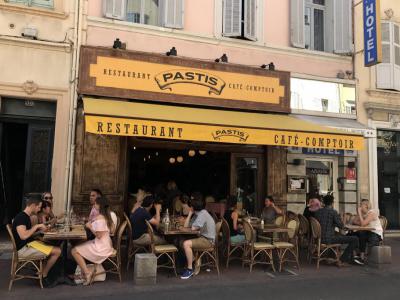
Pastis in Cannes is a delightful café that brings to mind the 1920s with its vintage bistro seating and classic advertisements. Setting itself apart from its New York counterpart, this establishment takes pride in its diverse menu, which blends French and Italian cuisines and offers an impressive array of wines. Nestled in the charming old quarter of Cannes, it serves as an ideal destination for wine enthusiasts seeking relaxation in an atmosphere that harkens back to a bygone era.
The atmosphere at Pastis is welcoming, featuring traditional decor and a focus on Mediterranean delicacies that are authentic and seasonal. Emphasizing the use of local and seasonal ingredients ensures that each dish is fresh and made from the finest available ingredients. This commitment to quality shines through in their signature dishes, such as the delightful Sea Bass and comforting Niçoise Beef Stew, which adapt their flavors to the changing seasons, providing guests with an ever-evolving culinary experience.
The service at Pastis matches the quality of its menu, with a team of friendly staff contributing to the warm and relaxed ambiance. This makes it an ideal choice for those seeking a leisurely evening in a space that feels both welcoming and authentic. The café also features a genuine coffee counter where patrons can engage in discussions about current events while perusing the day's offerings or enjoying the cozy atmosphere at night.
Moreover, Pastis isn't just a place for casual dining; it also offers a charming venue for hosting special events, including cocktail evenings, anniversary celebrations, and dinners with friends.
The atmosphere at Pastis is welcoming, featuring traditional decor and a focus on Mediterranean delicacies that are authentic and seasonal. Emphasizing the use of local and seasonal ingredients ensures that each dish is fresh and made from the finest available ingredients. This commitment to quality shines through in their signature dishes, such as the delightful Sea Bass and comforting Niçoise Beef Stew, which adapt their flavors to the changing seasons, providing guests with an ever-evolving culinary experience.
The service at Pastis matches the quality of its menu, with a team of friendly staff contributing to the warm and relaxed ambiance. This makes it an ideal choice for those seeking a leisurely evening in a space that feels both welcoming and authentic. The café also features a genuine coffee counter where patrons can engage in discussions about current events while perusing the day's offerings or enjoying the cozy atmosphere at night.
Moreover, Pastis isn't just a place for casual dining; it also offers a charming venue for hosting special events, including cocktail evenings, anniversary celebrations, and dinners with friends.

6) Rue d'Antibes (Antibes Street) (must see)
The Antibes Street is one of the main commercial streets in Cannes and stretches for approximately 1.2 kilometers through the city center. Historically, it formed part of the road connecting Toulon and Antibes, serving as a practical route long before it became a shopping destination. Today, it runs parallel to the Croisette Boulevard, but the atmosphere here feels more everyday and less formal than the luxury seafront.
Many of the buildings lining the street date from the 19th century, a period when Cannes was expanding as a fashionable resort. Their façades reflect that era of growth, adding architectural continuity to what is now a busy retail corridor. Unlike the grand hotels and designer flagships along the Croisette, the shops on Antibes Street tend to be more accessible in both style and price, which makes the street popular with residents as well as visitors.
The retail mix is varied. International brands sit alongside independent boutiques selling fashion, jewelry, shoes, and cosmetics. The Gray d’Albion shopping center gathers several stores in one location, reinforcing the street’s role as a central shopping artery. Culinary stops also contribute to its appeal. Ladurée, known for popularizing the refined Parisian macaron, attracts visitors with its colorful displays and long-standing reputation.
Cafés and bakeries break up the retail rhythm, creating a steady flow of social activity throughout the day. Antibes Street represents a balanced side of Cannes - commercial yet rooted in history, elegant yet approachable - and offers insight into the city’s everyday urban life beyond its festival image.
Many of the buildings lining the street date from the 19th century, a period when Cannes was expanding as a fashionable resort. Their façades reflect that era of growth, adding architectural continuity to what is now a busy retail corridor. Unlike the grand hotels and designer flagships along the Croisette, the shops on Antibes Street tend to be more accessible in both style and price, which makes the street popular with residents as well as visitors.
The retail mix is varied. International brands sit alongside independent boutiques selling fashion, jewelry, shoes, and cosmetics. The Gray d’Albion shopping center gathers several stores in one location, reinforcing the street’s role as a central shopping artery. Culinary stops also contribute to its appeal. Ladurée, known for popularizing the refined Parisian macaron, attracts visitors with its colorful displays and long-standing reputation.
Cafés and bakeries break up the retail rhythm, creating a steady flow of social activity throughout the day. Antibes Street represents a balanced side of Cannes - commercial yet rooted in history, elegant yet approachable - and offers insight into the city’s everyday urban life beyond its festival image.
7) Rue Meynadier (Meynadier Street) (must see)
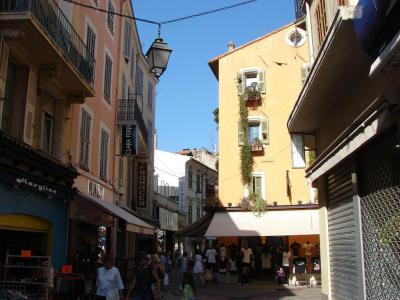
As you leave the Old Port area and move into the historic center, you’ll find yourself on the Meynadier Street, one of the oldest streets in Cannes. First laid out in the 18th century, it still follows its original narrow path. The low houses that once formed a residential lane have gradually been transformed into shops, cafés, and specialty boutiques. Because the street is pedestrian-only, the pace feels relaxed, allowing you to focus on what’s around you rather than traffic.
Walking along, it quickly becomes clear why this street is known for food. The concentration of gourmet boutiques turns a simple stroll into a sensory experience. At the shop of Jean-Luc Pelé, colorful macarons are displayed with the precision of jewelry, reflecting the French emphasis on pastry craftsmanship. A few doors down, cheese shops present carefully aged varieties, while confectioners fill their windows with chocolates and different styles of nougat. Many vendors offer samples, which changes the walk from simple shopping into tasting and comparing.
The variety goes beyond sweets. Butchers display cured meats, specialty stores offer exotic spices and dried fruits, and wine merchants line the street - a reminder that this is still the French Riviera, where regional wines are part of everyday meals. The proximity to the Forville Market reinforces the idea that this area functions as a true food district rather than a tourist façade.
As you continue, you’ll also notice clothing boutiques, souvenir shops, and small cafés. The natural shade created by the narrow layout makes the street comfortable even on warm days, and café terraces provide a place to pause and observe daily life. Meynadier Street offers a practical yet enjoyable way to experience local shopping culture, balancing tradition with contemporary tastes.
Walking along, it quickly becomes clear why this street is known for food. The concentration of gourmet boutiques turns a simple stroll into a sensory experience. At the shop of Jean-Luc Pelé, colorful macarons are displayed with the precision of jewelry, reflecting the French emphasis on pastry craftsmanship. A few doors down, cheese shops present carefully aged varieties, while confectioners fill their windows with chocolates and different styles of nougat. Many vendors offer samples, which changes the walk from simple shopping into tasting and comparing.
The variety goes beyond sweets. Butchers display cured meats, specialty stores offer exotic spices and dried fruits, and wine merchants line the street - a reminder that this is still the French Riviera, where regional wines are part of everyday meals. The proximity to the Forville Market reinforces the idea that this area functions as a true food district rather than a tourist façade.
As you continue, you’ll also notice clothing boutiques, souvenir shops, and small cafés. The natural shade created by the narrow layout makes the street comfortable even on warm days, and café terraces provide a place to pause and observe daily life. Meynadier Street offers a practical yet enjoyable way to experience local shopping culture, balancing tradition with contemporary tastes.
8) Marche Forville (Forville Market) (must see)
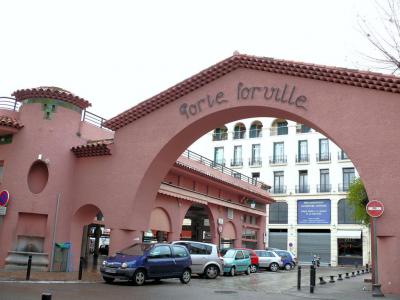
The Forville Market is one of the most authentic places to experience everyday life in Cannes. Located at the edge of the old quarter near the Old Port, this covered market has long been a favorite among residents. It operates only in the morning, opening at 7 a.m., and gradually becomes livelier as the day progresses. Unlike the polished boutiques along the waterfront, Forville reflects the practical rhythm of daily shopping.
The pedestrian-only surroundings make the market easy and comfortable to explore. Inside, seasonal produce dominates the stalls, highlighting the importance of freshness in regional cuisine. Strawberries appear in spring, tomatoes and melons in summer, and leeks and root vegetables in winter. Many vendors specialize in organic vegetables, reinforcing the local focus on quality ingredients. Fresh fish displayed on ice connects the market directly to the nearby sea, while flower stalls add color and fragrance to the covered hall.
Beyond raw ingredients, the market offers prepared foods that reflect both Provençal and broader Mediterranean influences. Cured meats such as tripe sausages, ham, and dried sausage are available alongside regional cheeses and local wines. Visitors looking for ready-to-eat dishes can find takeaway paella, while Italian-inspired options like ravioli Niçois and polenta show how culinary traditions overlap in this part of France. The variety allows shoppers to assemble anything from a simple picnic to a full dinner.
On Mondays, the food stalls give way to an all-day flea market, transforming the atmosphere entirely. Antiques, vintage objects, and second-hand items replace fresh produce, giving the space a different energy.
The pedestrian-only surroundings make the market easy and comfortable to explore. Inside, seasonal produce dominates the stalls, highlighting the importance of freshness in regional cuisine. Strawberries appear in spring, tomatoes and melons in summer, and leeks and root vegetables in winter. Many vendors specialize in organic vegetables, reinforcing the local focus on quality ingredients. Fresh fish displayed on ice connects the market directly to the nearby sea, while flower stalls add color and fragrance to the covered hall.
Beyond raw ingredients, the market offers prepared foods that reflect both Provençal and broader Mediterranean influences. Cured meats such as tripe sausages, ham, and dried sausage are available alongside regional cheeses and local wines. Visitors looking for ready-to-eat dishes can find takeaway paella, while Italian-inspired options like ravioli Niçois and polenta show how culinary traditions overlap in this part of France. The variety allows shoppers to assemble anything from a simple picnic to a full dinner.
On Mondays, the food stalls give way to an all-day flea market, transforming the atmosphere entirely. Antiques, vintage objects, and second-hand items replace fresh produce, giving the space a different energy.
9) Les Murs Peints (Painted Wall) (must see)
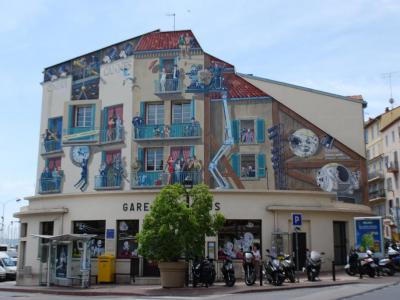
The Painted Walls of Cannes transform ordinary streets into a large-scale tribute to cinema. Since the city began hosting its international film festival in 1949, film culture has shaped its global image. In 2002, artists began creating monumental frescoes across building façades to reflect that connection. Today, around fifteen murals are scattered across different neighborhoods, each one reinforcing the city’s long-standing relationship with the world of film.
Rather than being grouped in a single area, the murals appear throughout residential streets, near schools, and along main roads. This layout encourages visitors to move through the city, discovering each artwork gradually. The paintings often use trompe-l’œil techniques, blending painted balconies, staircases, and curtains with real architectural features. From a distance, it can be difficult to tell where the building ends and the artwork begins, giving the scenes depth and movement.
Many of the murals portray well-known figures from cinema history. You might recognize Charlie Chaplin, whose silent comedies defined early twentieth-century film, or Alfred Hitchcock, known for shaping the suspense genre. Other walls feature actors such as Marilyn Monroe and James Dean, whose images remain instantly recognizable decades after their careers.
The most striking example is the large “Cinema Cannes” mural near City Hall and the central bus station. Covering an entire façade, it gathers together figures from across film history in one composition. Alongside Charlie Chaplin and Alfred Hitchcock, visitors can spot characters such as Mickey Mouse, Jessica Rabbit, Superman, Batman, R2-D2, and the fictional couple Jack Dawson and Rose DeWitt Bukater from Titanic. This combination of classic actors and beloved fictional figures reflects more than a century of cinematic storytelling. Its central location and scale make it a clear visual statement of how deeply cinema is woven into the city’s identity.
Rather than being grouped in a single area, the murals appear throughout residential streets, near schools, and along main roads. This layout encourages visitors to move through the city, discovering each artwork gradually. The paintings often use trompe-l’œil techniques, blending painted balconies, staircases, and curtains with real architectural features. From a distance, it can be difficult to tell where the building ends and the artwork begins, giving the scenes depth and movement.
Many of the murals portray well-known figures from cinema history. You might recognize Charlie Chaplin, whose silent comedies defined early twentieth-century film, or Alfred Hitchcock, known for shaping the suspense genre. Other walls feature actors such as Marilyn Monroe and James Dean, whose images remain instantly recognizable decades after their careers.
The most striking example is the large “Cinema Cannes” mural near City Hall and the central bus station. Covering an entire façade, it gathers together figures from across film history in one composition. Alongside Charlie Chaplin and Alfred Hitchcock, visitors can spot characters such as Mickey Mouse, Jessica Rabbit, Superman, Batman, R2-D2, and the fictional couple Jack Dawson and Rose DeWitt Bukater from Titanic. This combination of classic actors and beloved fictional figures reflects more than a century of cinematic storytelling. Its central location and scale make it a clear visual statement of how deeply cinema is woven into the city’s identity.
