Custom Walk in Detroit, Michigan by randcnapier_74d95 created on 2026-05-09
Guide Location: USA » Detroit
Guide Type: Custom Walk
# of Sights: 6
Tour Duration: 3 Hour(s)
Travel Distance: 7.5 Km or 4.7 Miles
Share Key: NNZWB
Guide Type: Custom Walk
# of Sights: 6
Tour Duration: 3 Hour(s)
Travel Distance: 7.5 Km or 4.7 Miles
Share Key: NNZWB
How It Works
Please retrieve this walk in the GPSmyCity app. Once done, the app will guide you from one tour stop to the next as if you had a personal tour guide. If you created the walk on this website or come to the page via a link, please follow the instructions below to retrieve the walk in the app.
Retrieve This Walk in App
Step 1. Download the app "GPSmyCity: Walks in 1K+ Cities" on Apple App Store or Google Play Store.



Step 2. In the GPSmyCity app, download(or launch) the guide "Detroit Map and Walking Tours".
Step 3. Tap the menu button located at upper right corner of the "Walks" screen and select "Retrieve custom walk". Enter the share key: NNZWB
1) Old Main (Wayne State University)
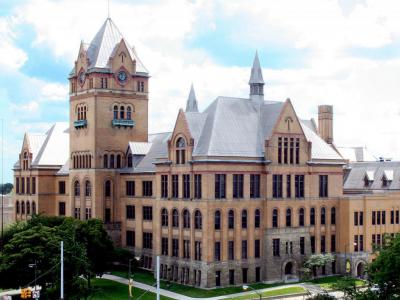
Old Main is one of Wayne State University's oldest buildings, having served as a high school before becoming an important college building. The style is Romanesque Revival, with a yellow brick exterior that stands out on this building that spans almost a full block. One of the architectural highlights is a four-faced clock tower.
Wayne State University's Museum of Anthropology is in this building. The exhibits on display highlight how crucial this social science is to understanding human society. The museum is one of Old Main's most popular features.
The university's planetarium is also in this building, giving visitors a perfect chance to learn more about the galaxy. Another feature that visitors enjoy is the school's dance studio, where some of the leading dance stars of the future might receive their training. The exciting features in this building demonstrate how much of a role it plays in the school's present, as well as its past.
Wayne State University's Museum of Anthropology is in this building. The exhibits on display highlight how crucial this social science is to understanding human society. The museum is one of Old Main's most popular features.
The university's planetarium is also in this building, giving visitors a perfect chance to learn more about the galaxy. Another feature that visitors enjoy is the school's dance studio, where some of the leading dance stars of the future might receive their training. The exciting features in this building demonstrate how much of a role it plays in the school's present, as well as its past.
2) Detroit Historical Museum (must see)
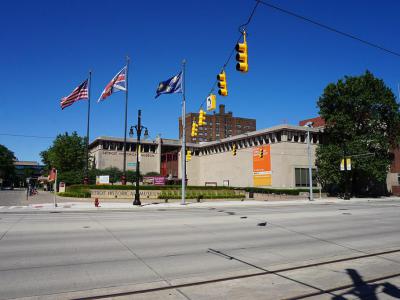
The Detroit Historical Museum, located on Woodward Avenue in Midtown Detroit's Cultural Center Historic District, offers an immersive exploration of the city’s vibrant history spanning over 300 years. From cobblestone streets and 19th-century storefronts to the pioneering auto assembly line and the fur trade of the 18th century, the museum brings Detroit’s past to life with engaging exhibits and interactive displays.
The museum’s origins date back to 1914 when attorney and historian Clarence M. Burton donated his extensive collection to the Detroit Public Library, leading to the founding of the Detroit Historical Society in 1921. In 1928, the society opened its first museum, famously situated on the 23rd floor of the Barlum Tower (now the Cadillac Tower) and hailed as the "highest museum in the world." The museum’s current building, designed by architect William Edward Kapp, was dedicated on July 24, 1951, during Detroit's 250th-anniversary celebrations.
Signature exhibits cover a variety of significant topics, including Detroit's music scene, the Underground Railroad, and the city’s role as the birthplace of the automotive industry. The museum also features changing and traveling exhibitions, often showcasing collections from local non-profits and spotlighting artifacts from its extensive 250,000-piece collection. Local Detroit artists take center stage in these rotating displays, which refresh quarterly.
Beyond exhibits, the Detroit Historical Museum hosts engaging events that highlight the city's notable figures and moments. These include in-depth presentations by local historians, documentary screenings, and other educational programs.
Over the years, the museum has expanded its reach, operating the historic sailing vessel J. T. Wing as a floating museum from 1949 to 1956 and later opening the Dossin Great Lakes Museum on Belle Isle Park in 1961. Additionally, it managed Fort Wayne, a historic military site, from 1949 until 2006. In 1985, the museum launched the Tavy Stone Fashion Library to honor The Detroit News style columnist Charlotte "Tavy" Stone, showcasing historical costumes and design.
Today, the Detroit Historical Museum remains a dynamic hub for learning and discovery, celebrating the city’s enduring legacy and contributions to history, culture, and innovation.
The museum’s origins date back to 1914 when attorney and historian Clarence M. Burton donated his extensive collection to the Detroit Public Library, leading to the founding of the Detroit Historical Society in 1921. In 1928, the society opened its first museum, famously situated on the 23rd floor of the Barlum Tower (now the Cadillac Tower) and hailed as the "highest museum in the world." The museum’s current building, designed by architect William Edward Kapp, was dedicated on July 24, 1951, during Detroit's 250th-anniversary celebrations.
Signature exhibits cover a variety of significant topics, including Detroit's music scene, the Underground Railroad, and the city’s role as the birthplace of the automotive industry. The museum also features changing and traveling exhibitions, often showcasing collections from local non-profits and spotlighting artifacts from its extensive 250,000-piece collection. Local Detroit artists take center stage in these rotating displays, which refresh quarterly.
Beyond exhibits, the Detroit Historical Museum hosts engaging events that highlight the city's notable figures and moments. These include in-depth presentations by local historians, documentary screenings, and other educational programs.
Over the years, the museum has expanded its reach, operating the historic sailing vessel J. T. Wing as a floating museum from 1949 to 1956 and later opening the Dossin Great Lakes Museum on Belle Isle Park in 1961. Additionally, it managed Fort Wayne, a historic military site, from 1949 until 2006. In 1985, the museum launched the Tavy Stone Fashion Library to honor The Detroit News style columnist Charlotte "Tavy" Stone, showcasing historical costumes and design.
Today, the Detroit Historical Museum remains a dynamic hub for learning and discovery, celebrating the city’s enduring legacy and contributions to history, culture, and innovation.

3) Ford Piquette Avenue Plant (must see)
The Ford Piquette Avenue Plant is a popular tourist site dedicated to the preservation of the Model T car. This Victorian-era brick building dates to 1904, with a design that resembles the famed New England textile mills. The building was the first purpose-built structure constructed by the Ford Motor Company.
This building has an extensive collection of Model T vehicles that represent the company's early production years. Visitors can take a closer look at these vehicles and read informative placards that provide information about each of the models. Henry Ford's office has been preserved with period furniture to give visitors a sense of what working here was like.
Another feature worthy of mention is The Jerry and Dorene Hammes Museum Store. Some of the souvenir items you can buy are replicas of original Model T booklets and price lists. Other items that you might want to consider are commemorative books, ornaments, and bingo games.
This building has an extensive collection of Model T vehicles that represent the company's early production years. Visitors can take a closer look at these vehicles and read informative placards that provide information about each of the models. Henry Ford's office has been preserved with period furniture to give visitors a sense of what working here was like.
Another feature worthy of mention is The Jerry and Dorene Hammes Museum Store. Some of the souvenir items you can buy are replicas of original Model T booklets and price lists. Other items that you might want to consider are commemorative books, ornaments, and bingo games.

4) Fisher Building (must see)
The Fisher Building is a local landmark in Detroit, in the ever-popular New Center. This building dates to 1928 and stands 30 stories tall. Like many other buildings of the time, the skyscraper features an Art Deco style. Granite, limestone, and several kinds of marble make up the construction, creating a very impressive sight. This skyscraper has been a National Historic Landmark since 1989.
One of the building's signature attractions is the Fisher Theatre, which seats 2,098. The theater specializes in Broadway and off-Broadway productions. Another exciting thing about this theater is that it has been used for tryouts for significant productions. Three radio stations for the area also have their studios in this building. A radio antenna on the top of the building highlights the importance that these radio stations have had.
The theater entrance area features impressive traditional decor. Visitors are sure to love the opportunity to take pictures of this decor.
One of the building's signature attractions is the Fisher Theatre, which seats 2,098. The theater specializes in Broadway and off-Broadway productions. Another exciting thing about this theater is that it has been used for tryouts for significant productions. Three radio stations for the area also have their studios in this building. A radio antenna on the top of the building highlights the importance that these radio stations have had.
The theater entrance area features impressive traditional decor. Visitors are sure to love the opportunity to take pictures of this decor.
5) Motown Historical Museum (must see)
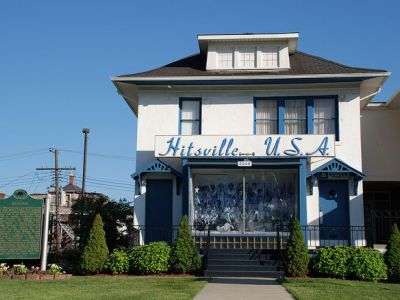
The Motown Museum draws visitors into an experience that introduces them to the unique music that makes Motown what it is. This museum celebrates the iconic music style's history, going back to 1959. One of the highlights of the museum is Studio A, where some of Motown's first hits were recorded. The upper flat where Gordy Berry once lived has also been restored and a favorite with visitors.
You'll also want to visit the Control Room, which has the original recording equipment on display. When you go through this room, you'll be able to imagine the artists at work easily.
One of the things that keeps everything in this museum fresh and exciting is that the main exhibit changes monthly to bi-monthly. Examples of main exhibits have included an exhibit dedicated to Jim Hendin. These themed exhibits help perfectly captured the spirit of the era that they represent.
If you want to have an experience that stands out from the crowd, consider an interactive guided tour. You'll learn a lot about the music and artists that made it great through these tours. One of the top highlights for many visitors is taking selfies to share across social media.
Visiting this museum is an excellent way to catch special performances and events. From spoken word to singing competitions, there is something to please almost anyone. Many of the events include educational offerings geared towards the larger community.
Why You Must Visit:
The chance to see where everything began with your favorite Motown artists and appreciate how they paved the way for others.
Tips:
This museum is customarily open Thursdays through Sundays, so you may want to confirm that the museum is open before visiting.
You'll also want to visit the Control Room, which has the original recording equipment on display. When you go through this room, you'll be able to imagine the artists at work easily.
One of the things that keeps everything in this museum fresh and exciting is that the main exhibit changes monthly to bi-monthly. Examples of main exhibits have included an exhibit dedicated to Jim Hendin. These themed exhibits help perfectly captured the spirit of the era that they represent.
If you want to have an experience that stands out from the crowd, consider an interactive guided tour. You'll learn a lot about the music and artists that made it great through these tours. One of the top highlights for many visitors is taking selfies to share across social media.
Visiting this museum is an excellent way to catch special performances and events. From spoken word to singing competitions, there is something to please almost anyone. Many of the events include educational offerings geared towards the larger community.
Why You Must Visit:
The chance to see where everything began with your favorite Motown artists and appreciate how they paved the way for others.
Tips:
This museum is customarily open Thursdays through Sundays, so you may want to confirm that the museum is open before visiting.

6) Charles H. Wright Museum of African American History
The Charles H. Wright Museum of African American History is a beacon of cultural preservation and education in Detroit. Nestled in Midtown's Cultural Center, the museum is one of the world’s largest and oldest independent institutions dedicated to African-American history and culture. Since its founding in 1965 by Dr. Charles H. Wright, a Detroit-based obstetrician and gynecologist, the museum has grown into a 125,000-square-foot facility housing over 35,000 artifacts.
Dr. Wright’s inspiration for the museum came from a visit to a World War II memorial in Denmark, sparking his vision to create a repository that honors the African-American struggle for freedom and achievement. Originally called the International Afro-American Museum (IAM), the institution began in a modest house on West Grand Boulevard. It featured exhibits on African art, Civil Rights activists, and the inventions of African Americans like Michigan’s own Elijah McCoy.
The museum evolved significantly over the decades, relocating twice before settling at its current location on Warren Avenue in 1997. Designed by Sims-Varner & Associates, the expansive museum became home to the groundbreaking exhibit "And Still We Rise: Our Journey Through African American History and Culture", a 22,000-square-foot interactive display chronicling African-American experiences.
Key highlights of the museum include the Ford Freedom Rotunda with its 65-foot glass dome, the Ring of Genealogy by Hubert Massey, and notable collections like the Blanche Coggin Underground Railroad Collection, Harriet Tubman Museum Collection, and the Sheffield Collection. The museum also features a 317-seat theater, a library, a research center, and a store offering African and African-American art, books, and merchandise.
The Wright hosts programs, performances, and events like the African World Festival, celebrating African diaspora cultures. It also honors community icons, such as Rosa Parks and Aretha Franklin. For over 50 years, it has been a cultural hub, inspiring unity and pride in African-American history.
Dr. Wright’s inspiration for the museum came from a visit to a World War II memorial in Denmark, sparking his vision to create a repository that honors the African-American struggle for freedom and achievement. Originally called the International Afro-American Museum (IAM), the institution began in a modest house on West Grand Boulevard. It featured exhibits on African art, Civil Rights activists, and the inventions of African Americans like Michigan’s own Elijah McCoy.
The museum evolved significantly over the decades, relocating twice before settling at its current location on Warren Avenue in 1997. Designed by Sims-Varner & Associates, the expansive museum became home to the groundbreaking exhibit "And Still We Rise: Our Journey Through African American History and Culture", a 22,000-square-foot interactive display chronicling African-American experiences.
Key highlights of the museum include the Ford Freedom Rotunda with its 65-foot glass dome, the Ring of Genealogy by Hubert Massey, and notable collections like the Blanche Coggin Underground Railroad Collection, Harriet Tubman Museum Collection, and the Sheffield Collection. The museum also features a 317-seat theater, a library, a research center, and a store offering African and African-American art, books, and merchandise.
The Wright hosts programs, performances, and events like the African World Festival, celebrating African diaspora cultures. It also honors community icons, such as Rosa Parks and Aretha Franklin. For over 50 years, it has been a cultural hub, inspiring unity and pride in African-American history.
