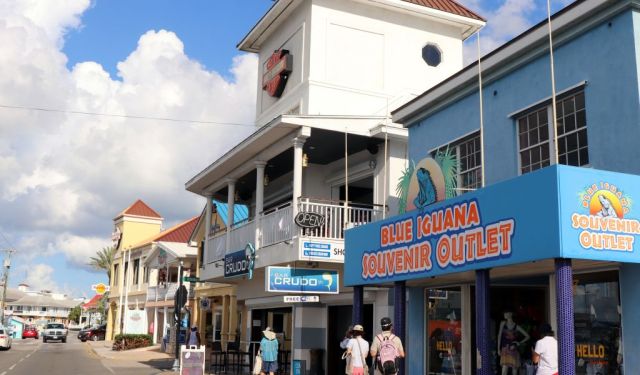


George Town Introduction Walking Tour (Self Guided), George Town
George Town, the capital of the Cayman Islands, grew from a small settlement into the territory’s administrative and commercial centre. Located on the western coast of Grand Cayman, the largest of the three islands, it developed around a natural harbour that connected the community with regional shipping routes. Before European settlement, the islands were visited by indigenous peoples, while Spanish navigators encountered them in the early sixteenth century.
Permanent settlement expanded during the eighteenth century, as seafarers, fishermen and traders established communities on Grand Cayman. The islands later came under British control and remained closely connected with Jamaica. For much of their history, Caymanians relied on seafaring, fishing, turtle hunting and small-scale agriculture. Caymanian sailors became particularly renowned for their maritime skills and travelled throughout the Caribbean and beyond.
As George Town grew, it became the centre of government and commerce. The harbour remained central to the town’s development, while government offices, churches, shops and traditional businesses appeared around the waterfront. In the twentieth century, tourism and financial services increasingly transformed the local economy, turning George Town into the modern capital and commercial hub of a prosperous British Overseas Territory.
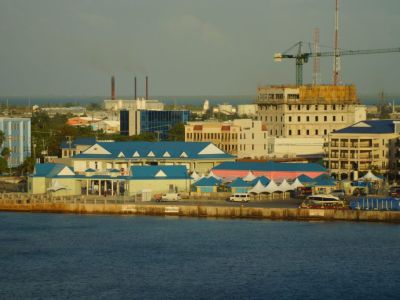
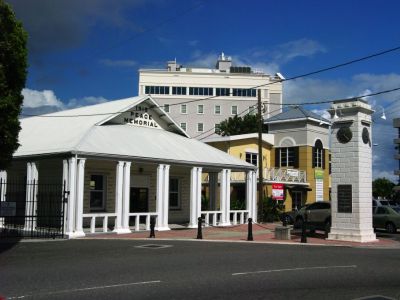
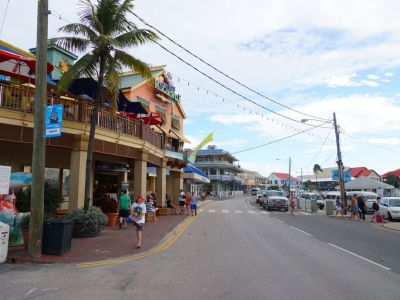
Walking through George Town today, the town’s maritime character remains particularly visible along Harbour Drive, where the waterfront opens toward the Caribbean Sea. The road runs alongside the town centre and provides views of the harbour, cruise facilities and busy waterfront. Nearby, the Peace Memorial and Clock Tower commemorates Caymanians who served in times of conflict and has become one of George Town’s most recognizable landmarks.
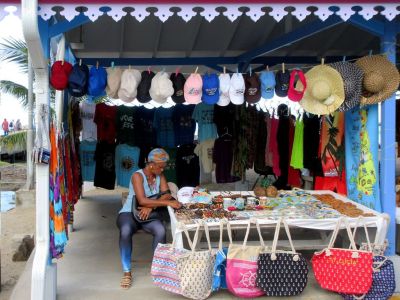
A short walk away, the Cayman Craft Market offers a more informal introduction to local culture. Artisans and vendors display Caymanian handicrafts, souvenirs, artwork and locally inspired products, providing an opportunity to discover traditions that might otherwise be less visible amid the modern commercial centre.
As you follow this walking route, the town gradually reveals itself not simply as a gateway to the Cayman Islands, but as a place where Caymanian history, British heritage and contemporary Caribbean life meet along the waterfront.
Permanent settlement expanded during the eighteenth century, as seafarers, fishermen and traders established communities on Grand Cayman. The islands later came under British control and remained closely connected with Jamaica. For much of their history, Caymanians relied on seafaring, fishing, turtle hunting and small-scale agriculture. Caymanian sailors became particularly renowned for their maritime skills and travelled throughout the Caribbean and beyond.
As George Town grew, it became the centre of government and commerce. The harbour remained central to the town’s development, while government offices, churches, shops and traditional businesses appeared around the waterfront. In the twentieth century, tourism and financial services increasingly transformed the local economy, turning George Town into the modern capital and commercial hub of a prosperous British Overseas Territory.
Walking through George Town today, the town’s maritime character remains particularly visible along Harbour Drive, where the waterfront opens toward the Caribbean Sea. The road runs alongside the town centre and provides views of the harbour, cruise facilities and busy waterfront. Nearby, the Peace Memorial and Clock Tower commemorates Caymanians who served in times of conflict and has become one of George Town’s most recognizable landmarks.
A short walk away, the Cayman Craft Market offers a more informal introduction to local culture. Artisans and vendors display Caymanian handicrafts, souvenirs, artwork and locally inspired products, providing an opportunity to discover traditions that might otherwise be less visible amid the modern commercial centre.
As you follow this walking route, the town gradually reveals itself not simply as a gateway to the Cayman Islands, but as a place where Caymanian history, British heritage and contemporary Caribbean life meet along the waterfront.
How it works: Download the app "GPSmyCity: Walks in 1K+ Cities" from Apple App Store or Google Play Store to your mobile phone or tablet. The app turns your mobile device into a personal tour guide and its built-in GPS navigation functions guide you from one tour stop to next. The app works offline, so no data plan is needed when traveling abroad.
Download The GPSmyCity App



George Town Introduction Walking Tour Map
Guide Name: George Town Introduction Walking Tour
Guide Location: Cayman Island » George Town (See other walking tours in George Town)
Guide Type: Self-guided Walking Tour (Sightseeing)
Tour Duration: 1 Hour(s)
Travel Distance: 1.2 Km or 0.7 Miles
Guide Location: Cayman Island » George Town (See other walking tours in George Town)
Guide Type: Self-guided Walking Tour (Sightseeing)
Tour Duration: 1 Hour(s)
Travel Distance: 1.2 Km or 0.7 Miles
Sights Featured in This Walk
7) Harbour Drive (must see)
The Most Popular Cities
/ view all