

Audio Guide: Asakusa District Walking Tour (Self Guided), Tokyo
Asakusa - Tokyo’s delightful time machine with a modern metro stop. This is one of the rare areas in the city where you will find narrow alleys, traditional shops, temple markets, and geisha whispers still echoing off the rooftops. Think of it as Old Tokyo in HD.
Back in the Edo period (between 1603 and 1868), Asakusa got its groove thanks to some very rich guys - the rice storehouse keepers - who turned their grains into gains, spent freely, and boom - theaters, geisha houses, and general fabulousness sprouted up.
Later, in the 20th century, Asakusa's “Sixth District” was all the rage - with cinemas like Denkikan lighting up the scene. The 1930 novel “The Scarlet Gang of Asakusa” captured the vibe - kind of like the Tokyo version of West Side Story, but with more kimonos. World War II bombings tried to dim the lights, but Asakusa rose again like a phoenix in geta sandals.
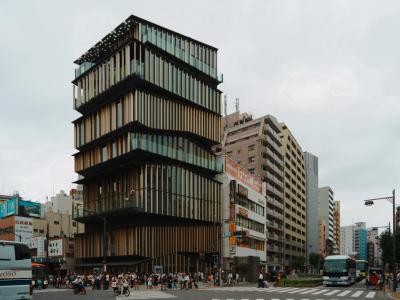
Start your journey at the sleek and helpful Asakusa Culture Tourist Information Center - the place where you pretend to check the map while planning your snack attack.
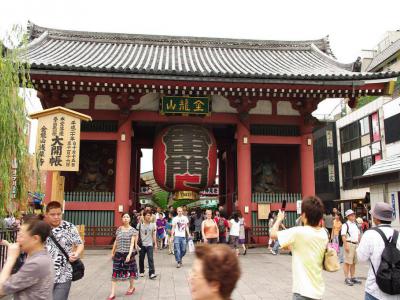
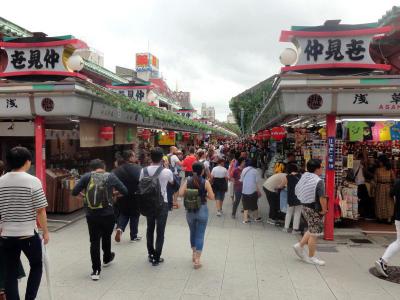
Speaking of icons, the Thunder Gate welcomes you with flair and a photo op. March through to Nakamise Street, where your wallet will scream and your taste buds will sing. Souvenirs, street food, and possibly the best rice crackers of your life await there.
Keep going and you'll meet the mighty Hozomon Gate and the elegant five-story Gojunoto pagoda - basically architectural selfies of ancient Japan.
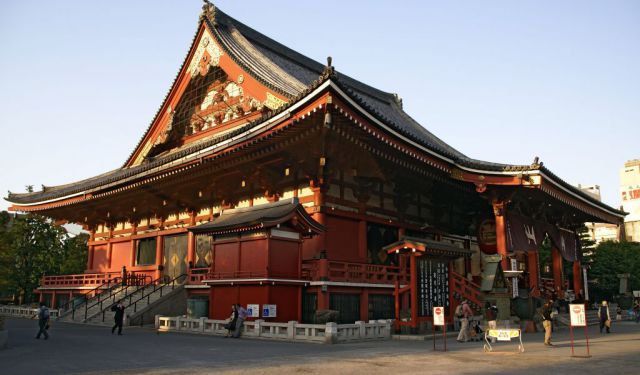
And then… the main event: Senso-ji Temple. It’s bright red, deeply spiritual, and just photogenic enough to make your Instagram followers envious. Next door, the more peaceful Asakusa Shrine brings a Shinto vibe to your cultural bingo card.
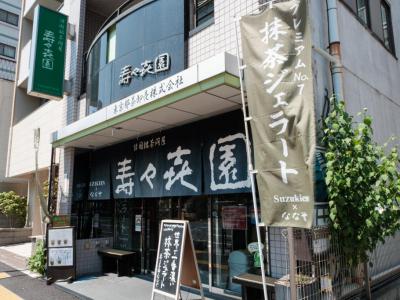
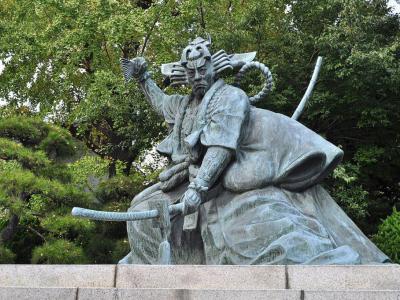
Need a break? Hit Suzukien Teashop for matcha ice cream so rich it should have its own Netflix special. Then stroll over to the Ichikawa Danjuro IX statue - a tribute to Kabuki royalty and eyebrow game excellence.
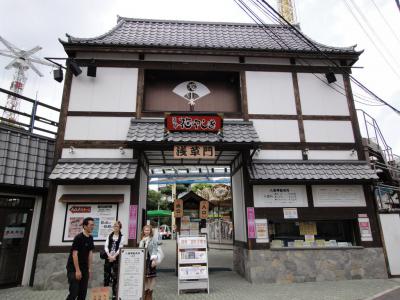
Feeling playful? Hanayashiki Amusement Park is your retro rollercoaster escape, charmingly chaotic and perfect for all ages, including “ageless in denial.”
So there you have it - Asakusa: a neighborhood where centuries overlap, matcha flows freely, and every step feels like a well-directed historical drama. Take our self-guided walking tour and immerse yourself in a carnival of culture, temples, snacks, and sensory joy!
Back in the Edo period (between 1603 and 1868), Asakusa got its groove thanks to some very rich guys - the rice storehouse keepers - who turned their grains into gains, spent freely, and boom - theaters, geisha houses, and general fabulousness sprouted up.
Later, in the 20th century, Asakusa's “Sixth District” was all the rage - with cinemas like Denkikan lighting up the scene. The 1930 novel “The Scarlet Gang of Asakusa” captured the vibe - kind of like the Tokyo version of West Side Story, but with more kimonos. World War II bombings tried to dim the lights, but Asakusa rose again like a phoenix in geta sandals.
Start your journey at the sleek and helpful Asakusa Culture Tourist Information Center - the place where you pretend to check the map while planning your snack attack.
Speaking of icons, the Thunder Gate welcomes you with flair and a photo op. March through to Nakamise Street, where your wallet will scream and your taste buds will sing. Souvenirs, street food, and possibly the best rice crackers of your life await there.
Keep going and you'll meet the mighty Hozomon Gate and the elegant five-story Gojunoto pagoda - basically architectural selfies of ancient Japan.
And then… the main event: Senso-ji Temple. It’s bright red, deeply spiritual, and just photogenic enough to make your Instagram followers envious. Next door, the more peaceful Asakusa Shrine brings a Shinto vibe to your cultural bingo card.
Need a break? Hit Suzukien Teashop for matcha ice cream so rich it should have its own Netflix special. Then stroll over to the Ichikawa Danjuro IX statue - a tribute to Kabuki royalty and eyebrow game excellence.
Feeling playful? Hanayashiki Amusement Park is your retro rollercoaster escape, charmingly chaotic and perfect for all ages, including “ageless in denial.”
So there you have it - Asakusa: a neighborhood where centuries overlap, matcha flows freely, and every step feels like a well-directed historical drama. Take our self-guided walking tour and immerse yourself in a carnival of culture, temples, snacks, and sensory joy!
How it works: Download the app "GPSmyCity: Walks in 1K+ Cities" from Apple App Store or Google Play Store to your mobile phone or tablet. The app turns your mobile device into a personal tour guide and its built-in GPS navigation functions guide you from one tour stop to next. The app works offline, so no data plan is needed when traveling abroad.
Download The GPSmyCity App



Asakusa District Walking Tour Map
Guide Name: Asakusa District Walking Tour
Guide Location: Japan » Tokyo (See other walking tours in Tokyo)
Guide Type: Self-guided Walking Tour (Sightseeing)
Tour Duration: 1 Hour(s)
Travel Distance: 1.1 Km or 0.7 Miles
Guide Location: Japan » Tokyo (See other walking tours in Tokyo)
Guide Type: Self-guided Walking Tour (Sightseeing)
Tour Duration: 1 Hour(s)
Travel Distance: 1.1 Km or 0.7 Miles
Sights Featured in This Walk
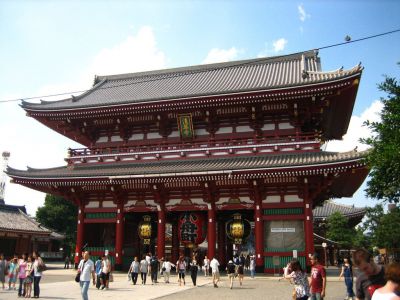
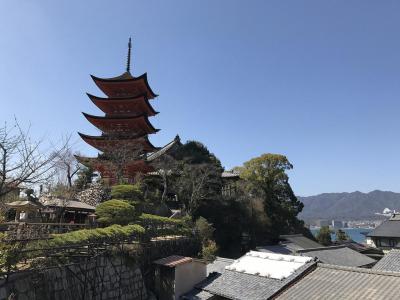
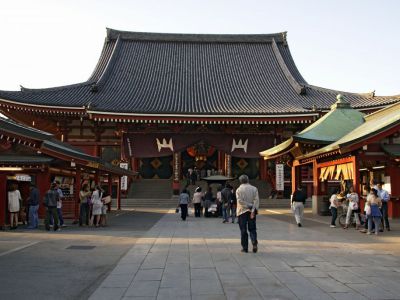
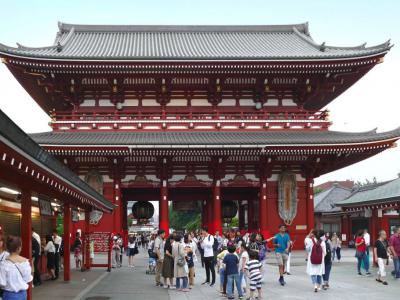
6) Senso-ji Temple (must see)
Walking Tours in Tokyo, Japan

Create Your Own Walk in Tokyo
Creating your own self-guided walk in Tokyo is easy and fun. Choose the city attractions that you want to see and a walk route map will be created just for you. You can even set your hotel as the start point of the walk.
Shibuya Walking Tour
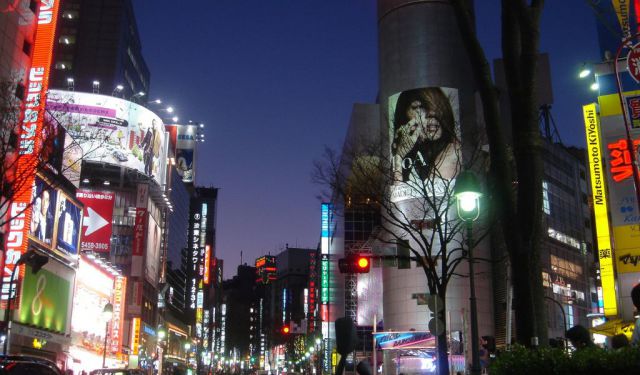
Ah, Shibuya... If Tokyo were a giant party, this district would be the dance floor. A neon-lit playground where fashion-forward teens, pop culture fiends, and wide-eyed tourists collide in a kaleidoscope of color, style, and pure urban energy.
But before it became Japan’s trendsetting capital, Shibuya had a different kind of ruling class-the Shibuya clan. Back in the 1160s, they ran this... view more
Tour Duration: 2 Hour(s)
Travel Distance: 3.9 Km or 2.4 Miles
But before it became Japan’s trendsetting capital, Shibuya had a different kind of ruling class-the Shibuya clan. Back in the 1160s, they ran this... view more
Tour Duration: 2 Hour(s)
Travel Distance: 3.9 Km or 2.4 Miles
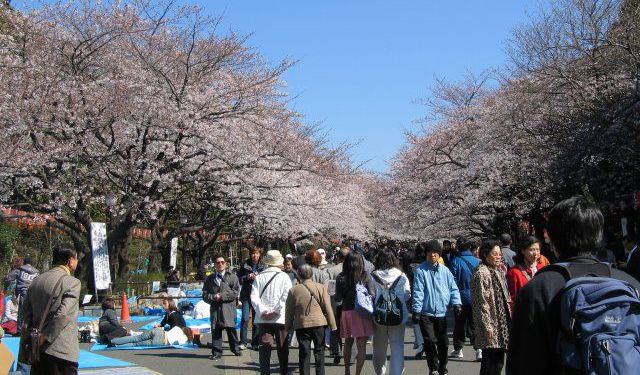
Ueno Park Walking Tour
Ueno Park is Tokyo’s ultimate mashup of history, nature, and culture! It started as part of the powerful Kanei-ji Temple during the Edo period, which lasted from 1603 to 1868. Back then, samurais roamed and shoguns ruled the country. In the 1870s, as Japan embraced modernization, the area was gentrified, turning into a public park. Today, it's a major attraction for travelers craving both a... view more
Tour Duration: 2 Hour(s)
Travel Distance: 3.9 Km or 2.4 Miles
Tour Duration: 2 Hour(s)
Travel Distance: 3.9 Km or 2.4 Miles
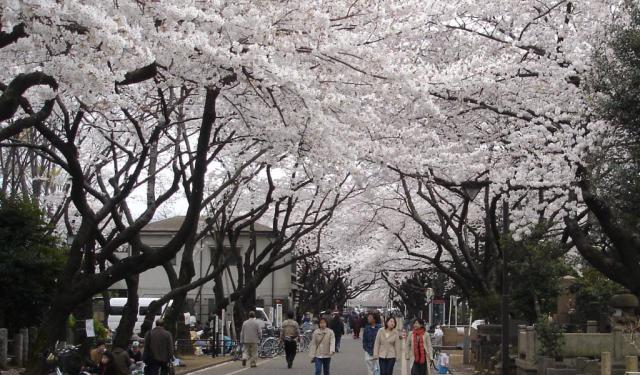
Yanaka Walking Tour
A bit away from Downtown Tokyo, Yanaka is a hidden spot with a lot to offer. This neighborhood is known for its narrow alleys, traditional wooden houses, izakaya pubs, and old-style shops. Having largely escaped the damage of World War II, Yanaka exudes the last-century charm of Tokyo's old town ambiance.
With a high concentration of ancient places of worship in the district, the air here... view more
Tour Duration: 1 Hour(s)
Travel Distance: 1.6 Km or 1 Miles
With a high concentration of ancient places of worship in the district, the air here... view more
Tour Duration: 1 Hour(s)
Travel Distance: 1.6 Km or 1 Miles
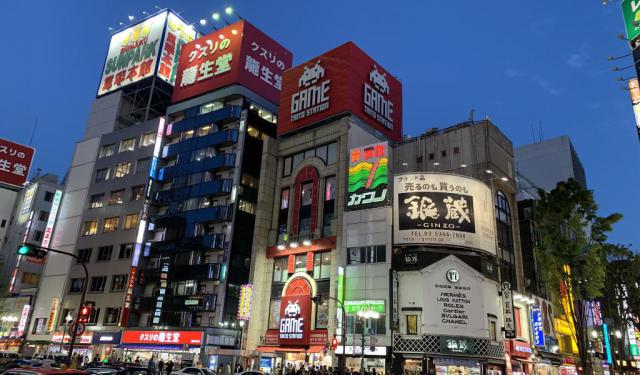
Shinjuku Walking Tour
Known as the best entertainment district in Tokyo, Shinjuku abounds in venues where visitors can play, eat, and shop to their hearts' content all day long. Besides the endless list of fun, shopping, and dining options available, the district also offers some truly amazing sightseeing opportunities which are often underrated.
One of its iconic landmarks is the two towers of the... view more
Tour Duration: 1 Hour(s)
Travel Distance: 2.1 Km or 1.3 Miles
One of its iconic landmarks is the two towers of the... view more
Tour Duration: 1 Hour(s)
Travel Distance: 2.1 Km or 1.3 Miles
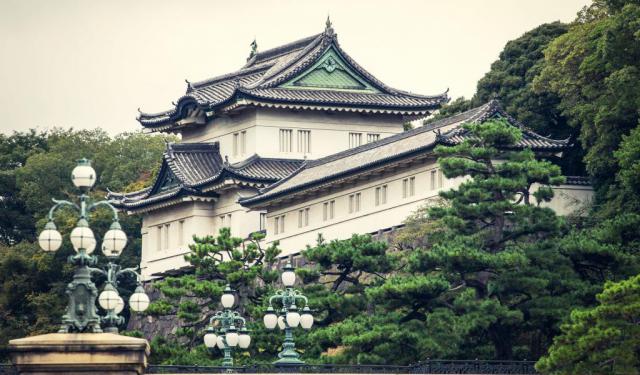
Tokyo Imperial Palace Walking Tour
Welcome to Tokyo’s greenest royal secret-The Imperial Palace-a majestic sprawl of tradition, tranquility, and top-tier landscaping. This is where Japan’s Emperor hangs his crown (figuratively speaking), nestled right in the city’s beating heart and surrounded by moats like something straight out of a storybook... or a really classy samurai movie.
Now, before you grab your crown and march... view more
Tour Duration: 2 Hour(s)
Travel Distance: 2.7 Km or 1.7 Miles
Now, before you grab your crown and march... view more
Tour Duration: 2 Hour(s)
Travel Distance: 2.7 Km or 1.7 Miles
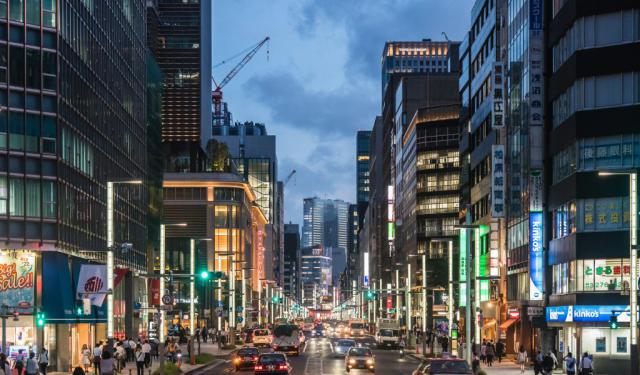
Ginza Shopping Tour
Often compared with New York's Fifth Avenue, Ginza is the most luxurious shopping district in Tokyo. Its two main avenues running through the area, Chuo-dori Street and Harumi-dori Street, are lined with high-end boutiques, enormous department stores, and flagship stores of renowned international brands carrying a wealth of merchandise, from fashion and jewelry to electronics and cosmetics.
... view more
Tour Duration: 1 Hour(s)
Travel Distance: 1.6 Km or 1 Miles
... view more
Tour Duration: 1 Hour(s)
Travel Distance: 1.6 Km or 1 Miles
Useful Travel Guides for Planning Your Trip
12 Must-Try Traditional Japanese Foods in Tokyo
Cuisine is an integral part of any local culture, and no trip to Tokyo is complete without tasting the authentic, Tokyo-made Japanese food. This directory offers information about the traditional dishes and drinks available in Tokyo to help visitors better understand the local food culture and make...

Eclectic Bars of Tokyo
Time to tap glasses and share laughs in Tokyo, a city of wondrous variety! In this app is an insider's guide to attractive drinking bars, and places nearby that are worthy experiences (theatres, shrines, shopping districts, etc).
Each bar has been carefully chosen throughout this endless...
Authentic Japanese Dining in Tokyo
Tokyo is home to literally a million eating places, so finding a truly authentic Japanese style restaurant with an English language menu can be rather tricky. We have compiled a list of easy to find Japanese style restaurants covering a range of culinary specialties to make your taste-buds tingle...
Tokyo Souvenirs: 18 Authentic Japanese Products to Buy in Tokyo
The list of the delights of Tokyo is long and being exposed to just some of them, at some point, can make one addicted (just as the Charles Winchester III character from the M.A.S.H. series). Still, you can always "prolong" the experience and enjoy the effects of it more, if bring home...
The Most Popular Cities
/ view all