

Shinjuku Walking Tour (Self Guided), Tokyo
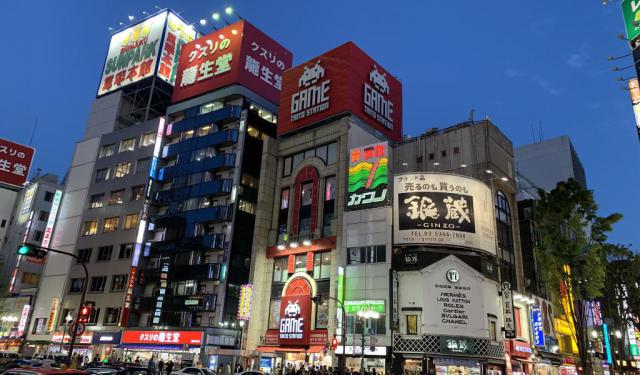
Known as the best entertainment district in Tokyo, Shinjuku abounds in venues where visitors can play, eat, and shop to their hearts' content all day long. Besides the endless list of fun, shopping, and dining options available, the district also offers some truly amazing sightseeing opportunities which are often underrated.
One of its iconic landmarks is the two towers of the Metropolitan Government Office. The freely-accessed observation desks on top of the building offer stunning panoramic views of the city – a magnificent place to appreciate the sheer vastness and beauty of Tokyo.
For those seeking a taste of nostalgia and local street food, Omoide Yokocho, often referred to as "Piss Alley," is a must-visit. Don't be dissuaded by the name! Here, you can savor traditional Japanese dishes and experience the bustling atmosphere of a bygone era.
The Godzilla Head, perched atop the Toho Building, captures the attention of pop culture enthusiasts. It's a quirky sightseeing spot, especially at night when it is illuminated, making it a unique addition to your Shinjuku adventure.
History buffs will enjoy the Samurai Museum, where you can delve into Japan's rich samurai tradition through an impressive collection of artifacts and exhibitions.
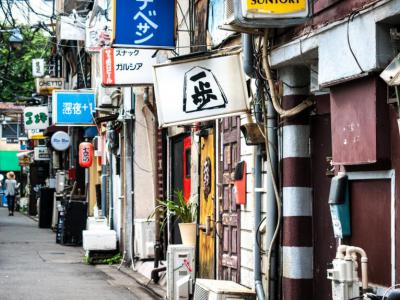
Shinjuku Golden Gai is a maze of narrow alleyways lined with cozy, intimate bars and eateries. It's a fantastic place to experience the local nightlife and interact with fellow travelers and locals.
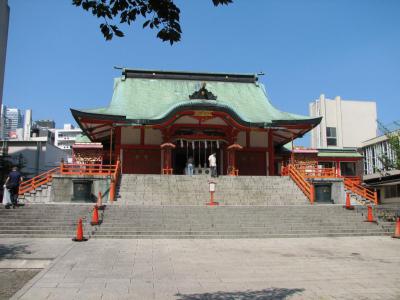
In contrast to the bustling urban atmosphere, the Hanazono Shrine provides a serene and spiritual experience. This peaceful oasis offers a quiet escape from the city's hustle and bustle.
Nature lovers can explore the Shinjuku Gyoen National Garden, a vast green space in the heart of the district. It's an ideal spot for a leisurely stroll, a picnic, or enjoying the seasonal beauty of cherry blossoms or colorful foliage.
Visitors of all stripes can easily find something to their liking in Shinjuku. Whether you're exploring the past, embracing the present, or simply seeking relaxation, this dynamic part of Tokyo covers it all. So, pack your bags and embark on a memorable self-guided walking journey to Shinjuku, where you'll discover a fusion of tradition and modernity.
One of its iconic landmarks is the two towers of the Metropolitan Government Office. The freely-accessed observation desks on top of the building offer stunning panoramic views of the city – a magnificent place to appreciate the sheer vastness and beauty of Tokyo.
For those seeking a taste of nostalgia and local street food, Omoide Yokocho, often referred to as "Piss Alley," is a must-visit. Don't be dissuaded by the name! Here, you can savor traditional Japanese dishes and experience the bustling atmosphere of a bygone era.
The Godzilla Head, perched atop the Toho Building, captures the attention of pop culture enthusiasts. It's a quirky sightseeing spot, especially at night when it is illuminated, making it a unique addition to your Shinjuku adventure.
History buffs will enjoy the Samurai Museum, where you can delve into Japan's rich samurai tradition through an impressive collection of artifacts and exhibitions.
Shinjuku Golden Gai is a maze of narrow alleyways lined with cozy, intimate bars and eateries. It's a fantastic place to experience the local nightlife and interact with fellow travelers and locals.
In contrast to the bustling urban atmosphere, the Hanazono Shrine provides a serene and spiritual experience. This peaceful oasis offers a quiet escape from the city's hustle and bustle.
Nature lovers can explore the Shinjuku Gyoen National Garden, a vast green space in the heart of the district. It's an ideal spot for a leisurely stroll, a picnic, or enjoying the seasonal beauty of cherry blossoms or colorful foliage.
Visitors of all stripes can easily find something to their liking in Shinjuku. Whether you're exploring the past, embracing the present, or simply seeking relaxation, this dynamic part of Tokyo covers it all. So, pack your bags and embark on a memorable self-guided walking journey to Shinjuku, where you'll discover a fusion of tradition and modernity.
How it works: Download the app "GPSmyCity: Walks in 1K+ Cities" from Apple App Store or Google Play Store to your mobile phone or tablet. The app turns your mobile device into a personal tour guide and its built-in GPS navigation functions guide you from one tour stop to next. The app works offline, so no data plan is needed when traveling abroad.
Download The GPSmyCity App



Shinjuku Walking Tour Map
Guide Name: Shinjuku Walking Tour
Guide Location: Japan » Tokyo (See other walking tours in Tokyo)
Guide Type: Self-guided Walking Tour (Sightseeing)
Tour Duration: 1 Hour(s)
Travel Distance: 2.1 Km or 1.3 Miles
Guide Location: Japan » Tokyo (See other walking tours in Tokyo)
Guide Type: Self-guided Walking Tour (Sightseeing)
Tour Duration: 1 Hour(s)
Travel Distance: 2.1 Km or 1.3 Miles
Sights Featured in This Walk


5) Shinjuku Golden Gai (must see)
Walking Tours in Tokyo, Japan

Create Your Own Walk in Tokyo
Creating your own self-guided walk in Tokyo is easy and fun. Choose the city attractions that you want to see and a walk route map will be created just for you. You can even set your hotel as the start point of the walk.
Ueno Park Walking Tour
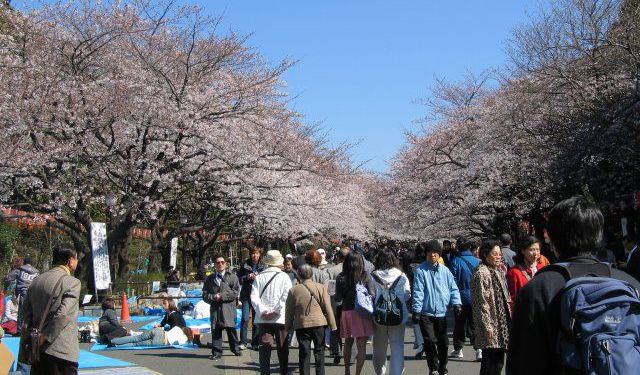
Ueno Park is Tokyo’s ultimate mashup of history, nature, and culture! It started as part of the powerful Kanei-ji Temple during the Edo period, which lasted from 1603 to 1868. Back then, samurais roamed and shoguns ruled the country. In the 1870s, as Japan embraced modernization, the area was gentrified, turning into a public park. Today, it's a major attraction for travelers craving both a... view more
Tour Duration: 2 Hour(s)
Travel Distance: 3.9 Km or 2.4 Miles
Tour Duration: 2 Hour(s)
Travel Distance: 3.9 Km or 2.4 Miles
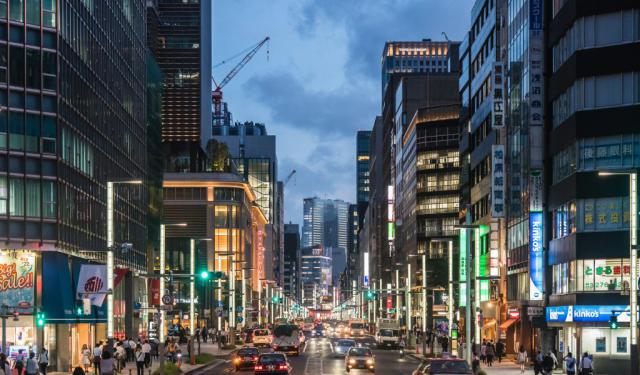
Ginza Shopping Tour
Often compared with New York's Fifth Avenue, Ginza is the most luxurious shopping district in Tokyo. Its two main avenues running through the area, Chuo-dori Street and Harumi-dori Street, are lined with high-end boutiques, enormous department stores, and flagship stores of renowned international brands carrying a wealth of merchandise, from fashion and jewelry to electronics and cosmetics.
... view more
Tour Duration: 1 Hour(s)
Travel Distance: 1.6 Km or 1 Miles
... view more
Tour Duration: 1 Hour(s)
Travel Distance: 1.6 Km or 1 Miles
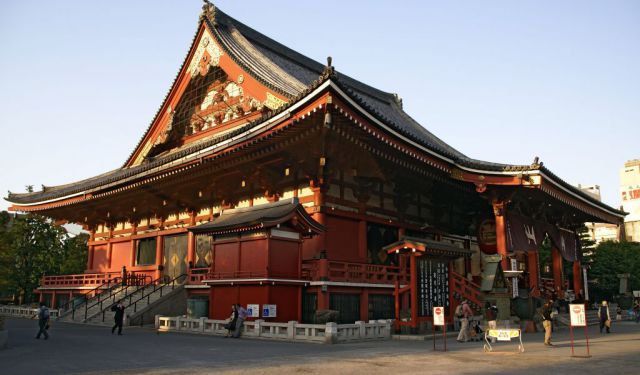
Asakusa District Walking Tour
Asakusa - Tokyo’s delightful time machine with a modern metro stop. This is one of the rare areas in the city where you will find narrow alleys, traditional shops, temple markets, and geisha whispers still echoing off the rooftops. Think of it as Old Tokyo in HD.
Back in the Edo period (between 1603 and 1868), Asakusa got its groove thanks to some very rich guys - the rice storehouse keepers... view more
Tour Duration: 1 Hour(s)
Travel Distance: 1.1 Km or 0.7 Miles
Back in the Edo period (between 1603 and 1868), Asakusa got its groove thanks to some very rich guys - the rice storehouse keepers... view more
Tour Duration: 1 Hour(s)
Travel Distance: 1.1 Km or 0.7 Miles
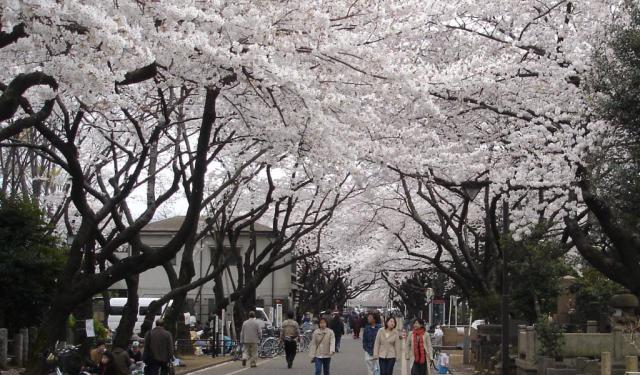
Yanaka Walking Tour
A bit away from Downtown Tokyo, Yanaka is a hidden spot with a lot to offer. This neighborhood is known for its narrow alleys, traditional wooden houses, izakaya pubs, and old-style shops. Having largely escaped the damage of World War II, Yanaka exudes the last-century charm of Tokyo's old town ambiance.
With a high concentration of ancient places of worship in the district, the air here... view more
Tour Duration: 1 Hour(s)
Travel Distance: 1.6 Km or 1 Miles
With a high concentration of ancient places of worship in the district, the air here... view more
Tour Duration: 1 Hour(s)
Travel Distance: 1.6 Km or 1 Miles
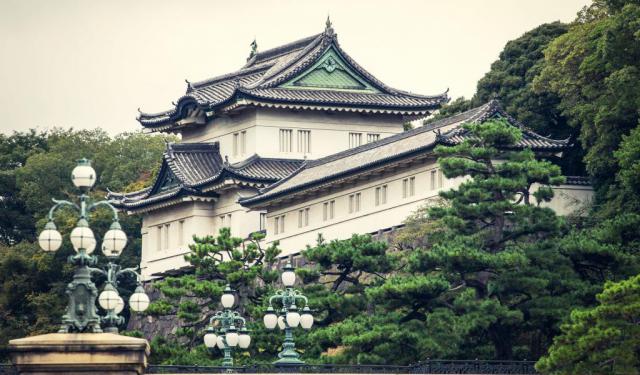
Tokyo Imperial Palace Walking Tour
Welcome to Tokyo’s greenest royal secret-The Imperial Palace-a majestic sprawl of tradition, tranquility, and top-tier landscaping. This is where Japan’s Emperor hangs his crown (figuratively speaking), nestled right in the city’s beating heart and surrounded by moats like something straight out of a storybook... or a really classy samurai movie.
Now, before you grab your crown and march... view more
Tour Duration: 2 Hour(s)
Travel Distance: 2.7 Km or 1.7 Miles
Now, before you grab your crown and march... view more
Tour Duration: 2 Hour(s)
Travel Distance: 2.7 Km or 1.7 Miles
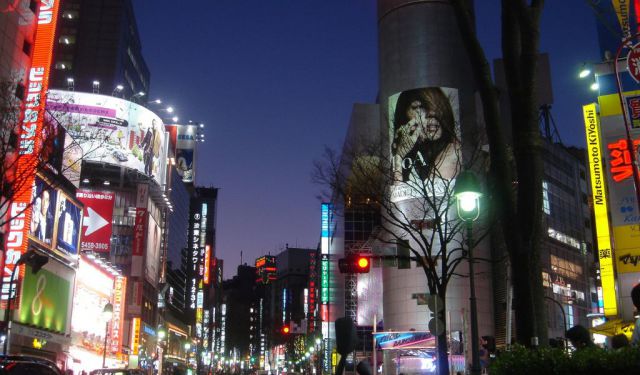
Shibuya Walking Tour
Ah, Shibuya... If Tokyo were a giant party, this district would be the dance floor. A neon-lit playground where fashion-forward teens, pop culture fiends, and wide-eyed tourists collide in a kaleidoscope of color, style, and pure urban energy.
But before it became Japan’s trendsetting capital, Shibuya had a different kind of ruling class-the Shibuya clan. Back in the 1160s, they ran this... view more
Tour Duration: 2 Hour(s)
Travel Distance: 3.9 Km or 2.4 Miles
But before it became Japan’s trendsetting capital, Shibuya had a different kind of ruling class-the Shibuya clan. Back in the 1160s, they ran this... view more
Tour Duration: 2 Hour(s)
Travel Distance: 3.9 Km or 2.4 Miles
Useful Travel Guides for Planning Your Trip
12 Must-Try Traditional Japanese Foods in Tokyo
Cuisine is an integral part of any local culture, and no trip to Tokyo is complete without tasting the authentic, Tokyo-made Japanese food. This directory offers information about the traditional dishes and drinks available in Tokyo to help visitors better understand the local food culture and make...
Authentic Japanese Dining in Tokyo
Tokyo is home to literally a million eating places, so finding a truly authentic Japanese style restaurant with an English language menu can be rather tricky. We have compiled a list of easy to find Japanese style restaurants covering a range of culinary specialties to make your taste-buds tingle...

Eclectic Bars of Tokyo
Time to tap glasses and share laughs in Tokyo, a city of wondrous variety! In this app is an insider's guide to attractive drinking bars, and places nearby that are worthy experiences (theatres, shrines, shopping districts, etc).
Each bar has been carefully chosen throughout this endless...

Tokyo Souvenirs: 18 Authentic Japanese Products to Buy in Tokyo
The list of the delights of Tokyo is long and being exposed to just some of them, at some point, can make one addicted (just as the Charles Winchester III character from the M.A.S.H. series). Still, you can always "prolong" the experience and enjoy the effects of it more, if bring home...
The Most Popular Cities
/ view all