

Ancient Theatre of Ohrid, Ohrid (must see)
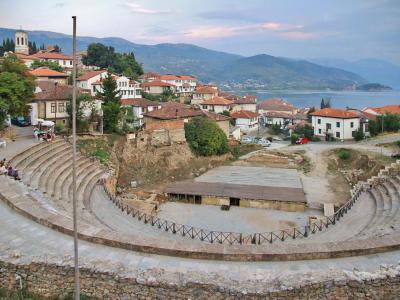
The Ancient Theater of Ohrid is a remarkable relic of the Hellenistic period, built sometime around the end of the 3rd or beginning of the 2nd century BC. It is generally regarded as the only surviving Hellenistic-type theater in North Macedonia, in contrast to the Roman-period theaters at Scupi, Stobi, and Heraclea Lyncestis. Only part of the original seating survives, so its original capacity is uncertain.
Nestled between two hills in Ohrid’s Old Town, the theater was naturally protected from winds that might interfere with its acoustics. It was originally intended for plays, music, and poetry. After the Roman conquest of the region in 148 BC, it was altered considerably. Several lower rows of seats were removed, the orchestra was converted into an arena, and cages were constructed for wild animals. Gladiatorial contests and animal fights were then staged here, and later expansion increased its capacity to about 5,000 spectators.
With the spread of Christianity during the 4th century AD, the theater fell out of use and was probably damaged along with other buildings associated with pagan public life. Stone from its seats and other architectural elements was later reused in churches and other structures around Ohrid. Over the centuries, much of the theater disappeared beneath later development.
Scholars had suspected the existence of an ancient theater at Ohrid by the beginning of the 20th century. Excavations in 1935 partly uncovered it, while work in 1959–1960 established its exact position and dimensions. Further excavations in 1977 and 1984 revealed the entrances, orchestra, arena, and rows of seating. Among the finds were marble reliefs depicting Dionysus and the Muses, fitting decorations for a building devoted originally to theatrical performance.
A major project to uncover and revitalize the theater began in 1999, and performances returned to the reconstructed space in 2001. Today it hosts plays, concerts, operas, and other events and is one of the principal venues of the Ohrid Summer Festival. International performers who have appeared on its stage include tenor José Carreras, who sang there in 2005.
Nestled between two hills in Ohrid’s Old Town, the theater was naturally protected from winds that might interfere with its acoustics. It was originally intended for plays, music, and poetry. After the Roman conquest of the region in 148 BC, it was altered considerably. Several lower rows of seats were removed, the orchestra was converted into an arena, and cages were constructed for wild animals. Gladiatorial contests and animal fights were then staged here, and later expansion increased its capacity to about 5,000 spectators.
With the spread of Christianity during the 4th century AD, the theater fell out of use and was probably damaged along with other buildings associated with pagan public life. Stone from its seats and other architectural elements was later reused in churches and other structures around Ohrid. Over the centuries, much of the theater disappeared beneath later development.
Scholars had suspected the existence of an ancient theater at Ohrid by the beginning of the 20th century. Excavations in 1935 partly uncovered it, while work in 1959–1960 established its exact position and dimensions. Further excavations in 1977 and 1984 revealed the entrances, orchestra, arena, and rows of seating. Among the finds were marble reliefs depicting Dionysus and the Muses, fitting decorations for a building devoted originally to theatrical performance.
A major project to uncover and revitalize the theater began in 1999, and performances returned to the reconstructed space in 2001. Today it hosts plays, concerts, operas, and other events and is one of the principal venues of the Ohrid Summer Festival. International performers who have appeared on its stage include tenor José Carreras, who sang there in 2005.
Want to visit this sight? Check out these Self-Guided Walking Tours in Ohrid. Alternatively, you can download the mobile app "GPSmyCity: Walks in 1K+ Cities" from Apple App Store or Google Play Store. The app turns your mobile device to a personal tour guide and it works offline, so no data plan is needed when traveling abroad.
Download The GPSmyCity App



Ancient Theatre of Ohrid on Map
Sight Name: Ancient Theatre of Ohrid
Sight Location: Ohrid, North Macedonia (See walking tours in Ohrid)
Sight Type: Attraction/Landmark
Guide(s) Containing This Sight:
Sight Location: Ohrid, North Macedonia (See walking tours in Ohrid)
Sight Type: Attraction/Landmark
Guide(s) Containing This Sight:
Nearby Sights
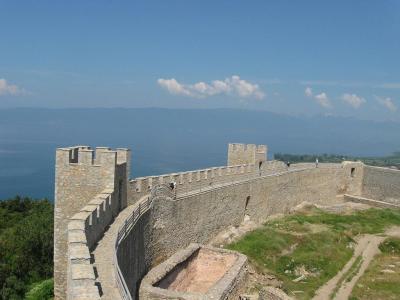
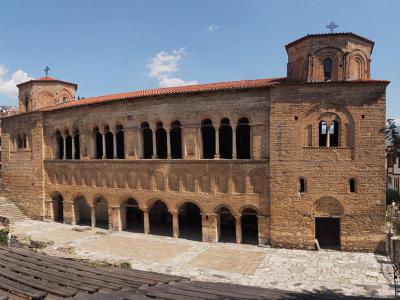
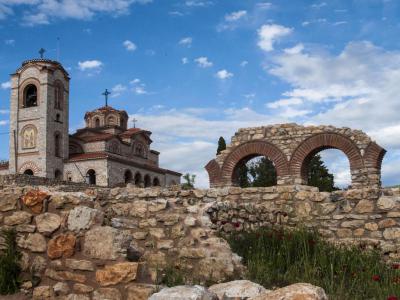
Walking Tours in Ohrid, North Macedonia

Create Your Own Walk in Ohrid
Creating your own self-guided walk in Ohrid is easy and fun. Choose the city attractions that you want to see and a walk route map will be created just for you. You can even set your hotel as the start point of the walk.
Walking Through Ohrid's Historical Old Town
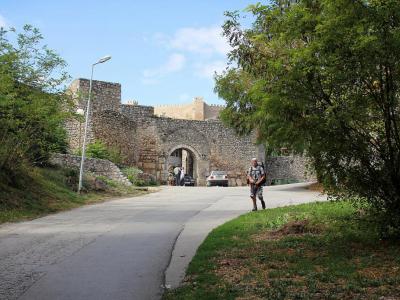
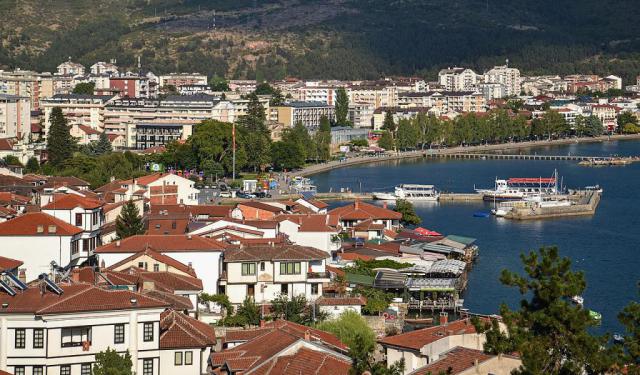
Ohrid is a city best discovered on foot. Its Old Town rises from the clear blue waters of Lake Ohrid toward the walls of Tsar Samuel’s Fortress, with narrow streets, stone houses, medieval churches, archaeological remains, cafés, and viewpoints appearing along the way.
In antiquity, Ohrid was known as Lychnidos, a name traditionally associated with light. By the late 9th century, the Slavic... view more
Tour Duration: 2 Hour(s)
Travel Distance: 2.3 Km or 1.4 Miles
In antiquity, Ohrid was known as Lychnidos, a name traditionally associated with light. By the late 9th century, the Slavic... view more
Tour Duration: 2 Hour(s)
Travel Distance: 2.3 Km or 1.4 Miles
Ohrid's Historical Churches
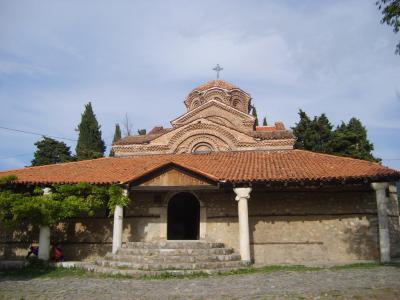
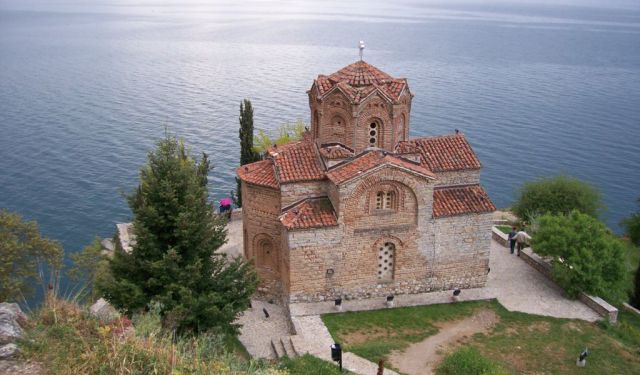
According to the legend based on the observations of 15th-century Ottoman traveler Evlia Celebia, the town of Ohrid used to have within its boundaries 365 chapels – one for every day of the year. At some point during Medieval times, Ohrid was even dubbed Slavic Jerusalem. Today, although the number of churches is considerably smaller, the architectural and historical value of those that remain... view more
Tour Duration: 1 Hour(s)
Travel Distance: 2.7 Km or 1.7 Miles
Tour Duration: 1 Hour(s)
Travel Distance: 2.7 Km or 1.7 Miles