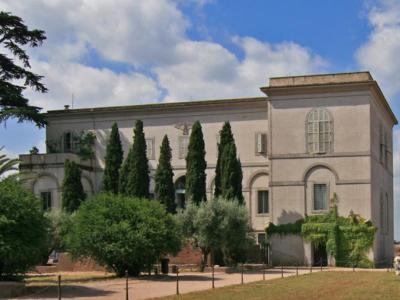


Antiquarium del Palatino (Palatine Museum), Rome
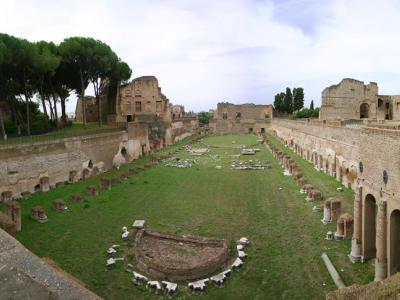
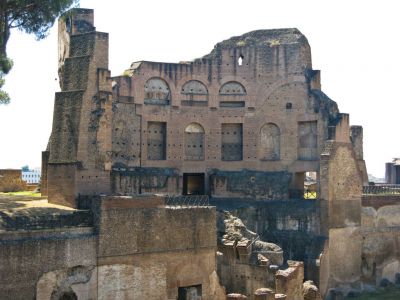
If ancient Rome were a “greatest hits” album, the Palatine Museum would be its deluxe edition with bonus tracks... Indeed, sitting proudly atop the Palatine Hill, this museum has been collecting Rome’s leftovers and architectural treasures for over a century, showcasing sculptures, fresco fragments, and archaeological finds unearthed on this very hill, where emperors once strolled around in sandals of questionable comfort...
The museum’s first iteration emerged in the late 1800s, courtesy of one Pietro Rosa, and it was housed inside the Farnese building. Among its exhibits were the marble statues dug up from the dirt during Napoleon III’s era of excavation enthusiasm. In 1882, archaeologist Rodolfo Lanciani decided that the building must be demolished to create a pathway between the Roman Forum and the Palatine Hill. Before the dust settled, Gherardo Ghirardini heroically catalogued everything and shipped the collection off to the Museum of Baths of Diocletian, which later evolved into the National Roman Museum. It's fair to say that Rome’s artifacts had moved around more than a traveling circus...
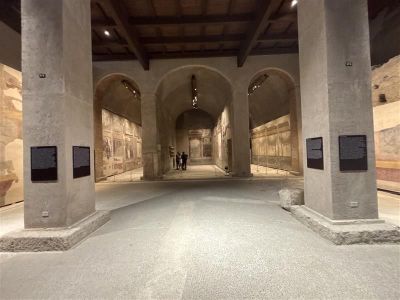
Fast forward to the 1930s, another archaeologist (and coincidentally the director of excavations on the Palatine Hill), Alfonso Bartoli, decided the museum needed a proper home. Using what remained of the old Villa Mills, he created today’s building-with two floors, four rooms each, and plenty of ancient drama inside. The ground floor is dedicated to the Palatine history from its origins to the Republican era, showcasing items and myths related to that period. Head upstairs, and you'll enter the imperial era-aka Rome at its most extra, with opulence, power, and emperor-level ego on display.
Today, the Palatine Museum is like a time-travel starter pack. It lets visitors wander through the hill’s evolution-from humble beginnings to imperial glory-and offers a front-row seat to the story of ancient Rome (without having to fight any gladiators for it). So, enjoy the view, enjoy the history, and maybe whisper a thank-you to the archaeologists who prevented these artifacts from becoming someone’s garden décor...
The museum’s first iteration emerged in the late 1800s, courtesy of one Pietro Rosa, and it was housed inside the Farnese building. Among its exhibits were the marble statues dug up from the dirt during Napoleon III’s era of excavation enthusiasm. In 1882, archaeologist Rodolfo Lanciani decided that the building must be demolished to create a pathway between the Roman Forum and the Palatine Hill. Before the dust settled, Gherardo Ghirardini heroically catalogued everything and shipped the collection off to the Museum of Baths of Diocletian, which later evolved into the National Roman Museum. It's fair to say that Rome’s artifacts had moved around more than a traveling circus...
Fast forward to the 1930s, another archaeologist (and coincidentally the director of excavations on the Palatine Hill), Alfonso Bartoli, decided the museum needed a proper home. Using what remained of the old Villa Mills, he created today’s building-with two floors, four rooms each, and plenty of ancient drama inside. The ground floor is dedicated to the Palatine history from its origins to the Republican era, showcasing items and myths related to that period. Head upstairs, and you'll enter the imperial era-aka Rome at its most extra, with opulence, power, and emperor-level ego on display.
Today, the Palatine Museum is like a time-travel starter pack. It lets visitors wander through the hill’s evolution-from humble beginnings to imperial glory-and offers a front-row seat to the story of ancient Rome (without having to fight any gladiators for it). So, enjoy the view, enjoy the history, and maybe whisper a thank-you to the archaeologists who prevented these artifacts from becoming someone’s garden décor...
Want to visit this sight? Check out these Self-Guided Walking Tours in Rome. Alternatively, you can download the mobile app "GPSmyCity: Walks in 1K+ Cities" from Apple App Store or Google Play Store. The app turns your mobile device to a personal tour guide and it works offline, so no data plan is needed when traveling abroad.
Download The GPSmyCity App



Antiquarium del Palatino (Palatine Museum) on Map
Sight Name: Antiquarium del Palatino (Palatine Museum)
Sight Location: Rome, Italy (See walking tours in Rome)
Sight Type: Attraction/Landmark
Guide(s) Containing This Sight:
Sight Location: Rome, Italy (See walking tours in Rome)
Sight Type: Attraction/Landmark
Guide(s) Containing This Sight:
Nearby Sights
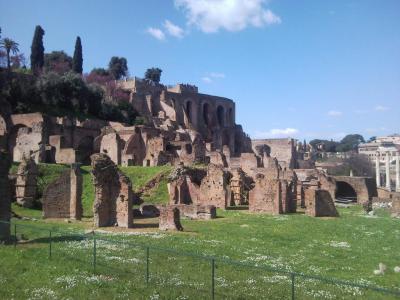
Walking Tours in Rome, Italy

Create Your Own Walk in Rome
Creating your own self-guided walk in Rome is easy and fun. Choose the city attractions that you want to see and a walk route map will be created just for you. You can even set your hotel as the start point of the walk.
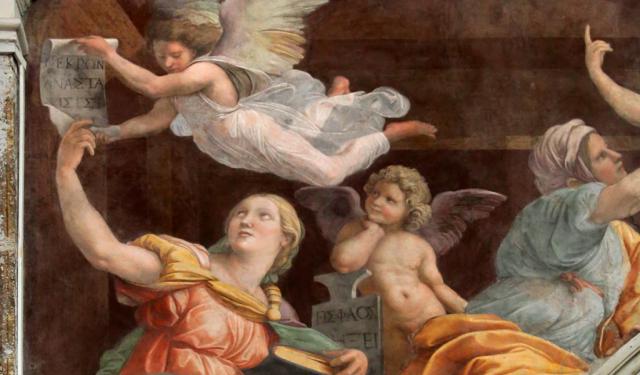
Hidden Art Treasures in Rome
Rome is one of the world's top living museums, replete with some of the most iconic pieces of art on the face of the planet. Famous artists, such as Michelangelo, Caravaggio, Raphael, Bernini, to mention but a few, had lived and worked here and left indelible marks in the city.
Needless to say that the abundance of masterpieces makes Rome crowded with tourists anxious to see them, causing... view more
Tour Duration: 1 Hour(s)
Travel Distance: 2.6 Km or 1.6 Miles
Needless to say that the abundance of masterpieces makes Rome crowded with tourists anxious to see them, causing... view more
Tour Duration: 1 Hour(s)
Travel Distance: 2.6 Km or 1.6 Miles
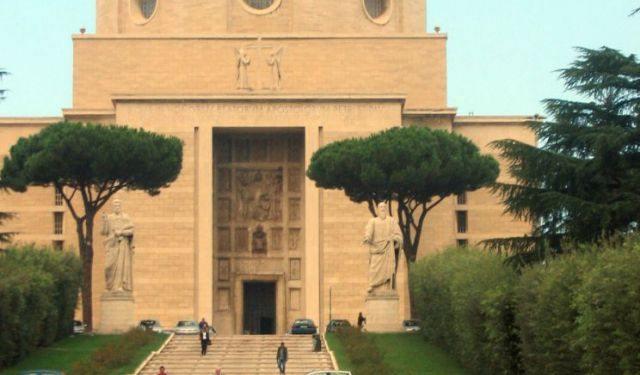
EUR Sightseeing Walking Tour
The Esposizione Universale di Roma (EUR), located in the southern suburb of Rome, was originally constructed for an international exhibition that was planned by Mussolini as a grand celebration of Fascist Italy. However, due to the outbreak of World War II, the exhibition never took place. The architecture of EUR was designed to glorify Fascism and showcases a distinct style that sets it apart... view more
Tour Duration: 2 Hour(s)
Travel Distance: 3.6 Km or 2.2 Miles
Tour Duration: 2 Hour(s)
Travel Distance: 3.6 Km or 2.2 Miles
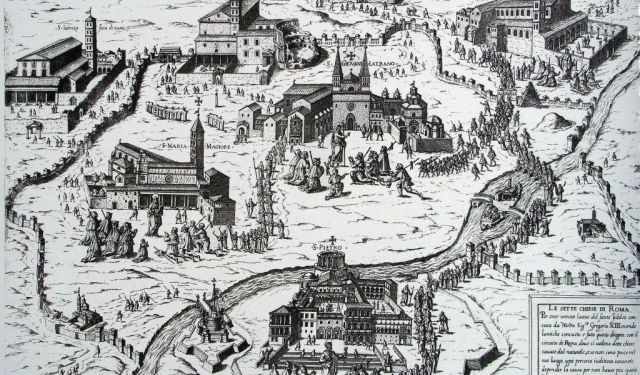
Seven Pilgrim Churches of Rome Walking Tour
Rome has long played host to pilgrims-after all, it's home to the Pope, the Catholic Curia, and a treasure trove of relics linked to apostles, saints, and martyrs. Back in the day, the Via Francigena provided a straight shot for the faithful traveling from England to Rome. Upon arrival, it was tradition to visit the tombs of Saints Peter and Paul. When a Jubilee rolled around, the spiritual... view more
Tour Duration: 6 Hour(s)
Travel Distance: 17.4 Km or 10.8 Miles
Tour Duration: 6 Hour(s)
Travel Distance: 17.4 Km or 10.8 Miles
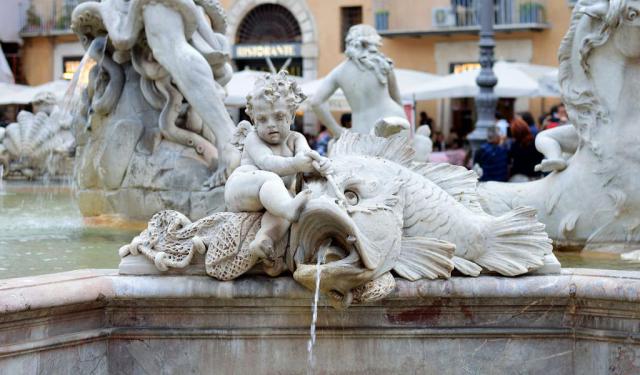
Fountains and Squares Walking Tour
In Rome there is a lively piazza round almost every corner, each with its own unique atmosphere and its own story to tell. These public squares have been the center of Roman culture for centuries, and some of the city’s most popular attractions are located within them.
Most piazzas have a fountain in the center and a lot of cafes around. In fact, Rome holds the largest number of fountains in... view more
Tour Duration: 2 Hour(s)
Travel Distance: 4.1 Km or 2.5 Miles
Most piazzas have a fountain in the center and a lot of cafes around. In fact, Rome holds the largest number of fountains in... view more
Tour Duration: 2 Hour(s)
Travel Distance: 4.1 Km or 2.5 Miles
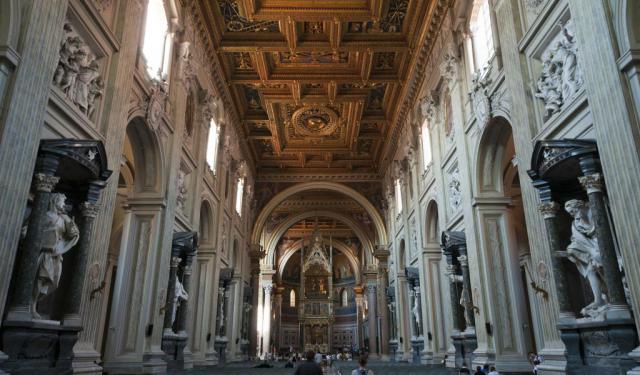
Holy Sites Walking Tour
As the cradle of the Catholic Church, one of the world's largest organizations, Rome has a large number of valuable, sacred places of worship. Crowded with architectural splendors from different periods of time, each of its churches and basilicas represent a significant part of culture and history.
Take this self-guided walking tour to discover Rome's magnificent religious heritage,... view more
Tour Duration: 3 Hour(s)
Travel Distance: 6.9 Km or 4.3 Miles
Take this self-guided walking tour to discover Rome's magnificent religious heritage,... view more
Tour Duration: 3 Hour(s)
Travel Distance: 6.9 Km or 4.3 Miles
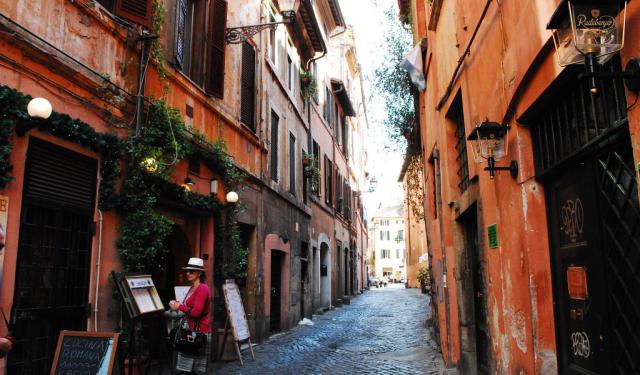
Trastevere Walking Tour
Heading down from the Vatican along the River Tiber, one is bound to find yet another city hidden within the city – Trastevere. This name translates literally to "across the Tiber". Indeed, crossing the picturesque Ponte Sisto (Sisto Bridge) to the west bank, you will find yourself in a charming neighborhood with a distinct character that sets it apart from any other part of Rome.
... view more
Tour Duration: 2 Hour(s)
Travel Distance: 3.0 Km or 1.9 Miles
... view more
Tour Duration: 2 Hour(s)
Travel Distance: 3.0 Km or 1.9 Miles
Useful Travel Guides for Planning Your Trip

10 Best Food Markets in Rome Italy
Of all the things Italy is most famous for (cars, music, fashion, movies, etc.), food is, undoubtedly, top of the list. Rome may well not be the whole Italy, but no Italy is whole without Rome... And the Romans, much as all their fellow-Italians, like it "fresco", hence the abundance of...
17 Best Gelaterias in Rome Italy
For ice cream lovers and dabblers this guide is a treasure chest of Rome’s best gelato shops. There are gelaterias everywhere. Many visitors to Rome only have a few days to explore the city. You owe it to yourself to make the most of your time and find the gelato locals eat. Often the authentic...

Souvenirs Shopping: 15 Authentic Italian Things To Buy in Rome
Rome is the Eternal City and, as such, the list of gift options available here is countless. Whether it's something edible, drinkable, wearable or pleasing to the eye that you want - you will find it all here in abundance. However, if time or budget is the factor, perhaps you might want to...