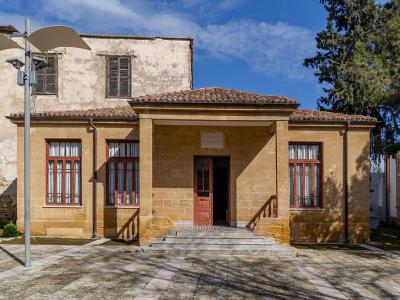


Armenian Church and Monastery, Nicosia
Tucked within the Arab Ahmet quarter of Nicosia, the Armenian Church, and Monastery-also known as Notre Dame de Tyre-is one of the city’s most historically layered and architecturally significant religious sites. Originally founded in the 13th century as the Benedictine Abbey of Our Lady of Tyre, the church was established for Cypriot nuns, many of whom were of Armenian origin. Its foundation is believed to coincide with the aftermath of the fall of Jerusalem, marking it as a spiritual refuge in a time of upheaval.
Constructed in the Gothic style, the church features a square nave with cross vaults, a semi-octagonal apse, and a distinctive bell tower added in 1860. Tomb slabs from the 14th and 15th centuries, including the sarcophagus of Lady Dampierre, a former abbess, attest to the site’s enduring religious and cultural role across centuries.
In 1308, King Henry II of Jerusalem of the Lusignan dynasty ordered repairs following earthquake damage. By 1504, due to the predominantly Armenian makeup of its monastic community, the church had transitioned into Armenian hands. Following the Ottoman conquest of Nicosia in 1570, Sultan Selim II granted the church and its surrounding area to the Armenian community as a gesture of gratitude for their support.
In the 20th century, the church became a key center of Armenian Cypriot life, hosting the Armenian Prelature, several schools, and one of the world’s oldest Armenian Genocide monuments. Surrounded by cultural institutions like the Armenian Club and AGBU, it thrived as a community hub. However, following the 1963 unrest and the 1974 Turkish invasion, it fell into the Turkish Cypriot sector of Nicosia, where it suffered decades of neglect and partial collapse.
Today, the Armenian Church and Monastery stands as a resilient symbol of spiritual endurance and multicultural history in divided Nicosia.
Constructed in the Gothic style, the church features a square nave with cross vaults, a semi-octagonal apse, and a distinctive bell tower added in 1860. Tomb slabs from the 14th and 15th centuries, including the sarcophagus of Lady Dampierre, a former abbess, attest to the site’s enduring religious and cultural role across centuries.
In 1308, King Henry II of Jerusalem of the Lusignan dynasty ordered repairs following earthquake damage. By 1504, due to the predominantly Armenian makeup of its monastic community, the church had transitioned into Armenian hands. Following the Ottoman conquest of Nicosia in 1570, Sultan Selim II granted the church and its surrounding area to the Armenian community as a gesture of gratitude for their support.
In the 20th century, the church became a key center of Armenian Cypriot life, hosting the Armenian Prelature, several schools, and one of the world’s oldest Armenian Genocide monuments. Surrounded by cultural institutions like the Armenian Club and AGBU, it thrived as a community hub. However, following the 1963 unrest and the 1974 Turkish invasion, it fell into the Turkish Cypriot sector of Nicosia, where it suffered decades of neglect and partial collapse.
Today, the Armenian Church and Monastery stands as a resilient symbol of spiritual endurance and multicultural history in divided Nicosia.
Want to visit this sight? Check out these Self-Guided Walking Tours in Nicosia. Alternatively, you can download the mobile app "GPSmyCity: Walks in 1K+ Cities" from Apple App Store or Google Play Store. The app turns your mobile device to a personal tour guide and it works offline, so no data plan is needed when traveling abroad.
Download The GPSmyCity App



Armenian Church and Monastery on Map
Sight Name: Armenian Church and Monastery
Sight Location: Nicosia, Cyprus (See walking tours in Nicosia)
Sight Type: Religious
Sight Location: Nicosia, Cyprus (See walking tours in Nicosia)
Sight Type: Religious
Nearby Sights
Walking Tours in Nicosia, Cyprus

Create Your Own Walk in Nicosia
Creating your own self-guided walk in Nicosia is easy and fun. Choose the city attractions that you want to see and a walk route map will be created just for you. You can even set your hotel as the start point of the walk.
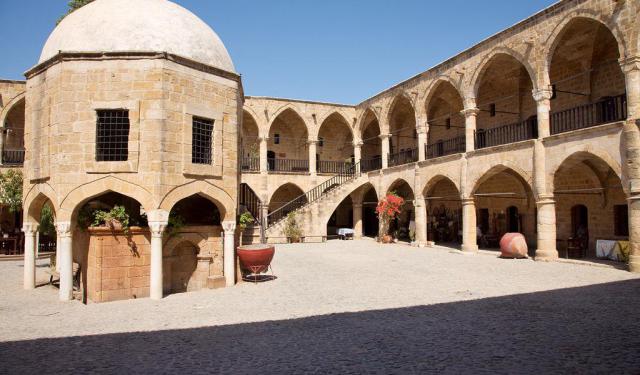
Turkish Old Town Walking Tour
Nicosia wasn't always Nicosia. It was originally called Leukosia. In Greek mythology Leukosia was a siren, a daughter of Achelous, a river god, and Melpomene, Muse of Tragedy. They had several daughters, Leukosia was one.
Others say the first settlers were Achaean veterans of the Trojan War. They appeared on the plain of Mesaoria by the river Pedieos in 2,500 BC. They formed the city... view more
Tour Duration: 2 Hours
Travel Distance: 2.2 Km or 1.4 Miles
Others say the first settlers were Achaean veterans of the Trojan War. They appeared on the plain of Mesaoria by the river Pedieos in 2,500 BC. They formed the city... view more
Tour Duration: 2 Hours
Travel Distance: 2.2 Km or 1.4 Miles
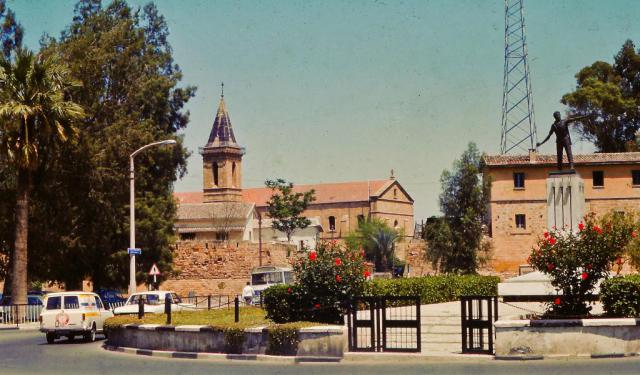
Greek Old Town Walking Tour
Nicosia is Cyprus’s capital and its largest city. It is Europe’s last divided capital, with Turkish Cypriots living on the north side and Greek Cypriots living on the south side.
Nicosia has been continuously occupied for over 4,500 years and has been Cyprus's capital for over 1,000 years. It has a turbulent political history, and the Franks, Venetians, Ottomans, and British have... view more
Tour Duration: 2 Hours
Travel Distance: 3 Km or 1.9 Miles
Nicosia has been continuously occupied for over 4,500 years and has been Cyprus's capital for over 1,000 years. It has a turbulent political history, and the Franks, Venetians, Ottomans, and British have... view more
Tour Duration: 2 Hours
Travel Distance: 3 Km or 1.9 Miles
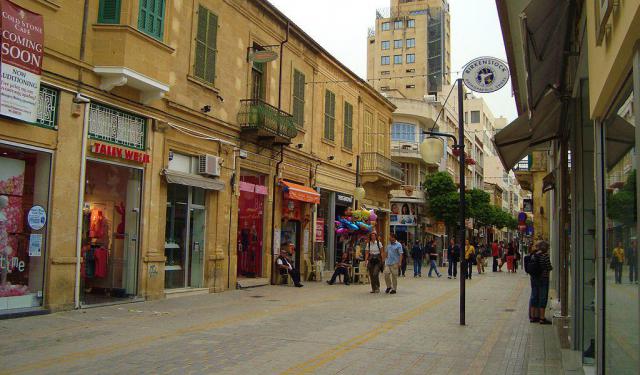
Nicosia Shopping Tour
There's probably no better shopping destination for tourists in Cyprus than Nicosia. Indeed, the country's exotic capital offers a vibrant mix of traditional markets and modern fashionable shops, catering to diverse tastes and preferences.
One of the must-visit spots is Bandabuliya Municipal Market, also known as Belediye Pazarı. Here, you can immerse yourself in the bustling... view more
Tour Duration: 1 Hour
Travel Distance: 2.2 Km or 1.4 Miles
One of the must-visit spots is Bandabuliya Municipal Market, also known as Belediye Pazarı. Here, you can immerse yourself in the bustling... view more
Tour Duration: 1 Hour
Travel Distance: 2.2 Km or 1.4 Miles