

Aula Paolo VI (Paul VI Audience Hall), Rome
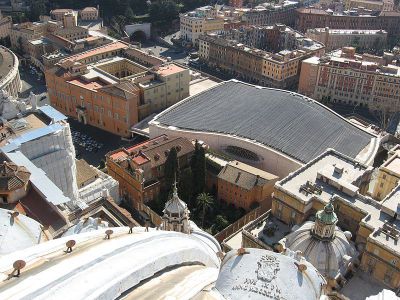
The Paul VI Audience Hall, also known as the Pontifical Audience Hall or Nervi Hall (after its architect Pier Luigi Nervi), is a venue for papal audiences, conferences, and concerts. Though the majority of the structure stands on Italian soil (situated to the left of Saint Peter’s Basilica, near the Teutonic Cemetery and the Holy Office building), it enjoys extraterritorial status under the Holy See.
Commissioned by Pope Paul VI in 1964, the hall serves as an alternative space to Saint Peter’s Square for gatherings – intended to host papal audiences in a more controlled environment. Construction began in 1966 and was made possible through the land donation by the Knights of Columbus. The hall was inaugurated on June 30, 1971.
The building is of reinforced concrete, a hallmark of Nervi’s architectural style. The design includes a distinctive parabolic vault, which draws attention toward the stage, making it ideal for large audiences. It has a seating capacity of 6,300 but can accommodate up to 12,000 people with standing room.
Within the hall, there are several smaller rooms, including the Synod Hall, used for meetings of the Synod of Bishops, and representative rooms for the Pope.
One of its most striking elements is "The Resurrection", an 80-ton bronze and copper-alloy sculpture, created between 1970 and 1975. This dramatic artwork serves as the stage’s focal point, depicting Christ rising from the chaos of nuclear destruction. Another significant feature is the 932-pipe organ, equipped with electronic transmission and five keyboards. Installed in 1972 behind the sculpture, the organ is often hidden by curtains.
The hall is illuminated naturally by two large, oval stained-glass windows placed on its side walls. Additionally, a large atrium welcomes visitors before they enter the main seating area. Also, in 2008, a photovoltaic system with 2,400 solar panels was installed on the roof, allowing the building to generate a quarter of its energy needs for heating, cooling, and lighting.
Commissioned by Pope Paul VI in 1964, the hall serves as an alternative space to Saint Peter’s Square for gatherings – intended to host papal audiences in a more controlled environment. Construction began in 1966 and was made possible through the land donation by the Knights of Columbus. The hall was inaugurated on June 30, 1971.
The building is of reinforced concrete, a hallmark of Nervi’s architectural style. The design includes a distinctive parabolic vault, which draws attention toward the stage, making it ideal for large audiences. It has a seating capacity of 6,300 but can accommodate up to 12,000 people with standing room.
Within the hall, there are several smaller rooms, including the Synod Hall, used for meetings of the Synod of Bishops, and representative rooms for the Pope.
One of its most striking elements is "The Resurrection", an 80-ton bronze and copper-alloy sculpture, created between 1970 and 1975. This dramatic artwork serves as the stage’s focal point, depicting Christ rising from the chaos of nuclear destruction. Another significant feature is the 932-pipe organ, equipped with electronic transmission and five keyboards. Installed in 1972 behind the sculpture, the organ is often hidden by curtains.
The hall is illuminated naturally by two large, oval stained-glass windows placed on its side walls. Additionally, a large atrium welcomes visitors before they enter the main seating area. Also, in 2008, a photovoltaic system with 2,400 solar panels was installed on the roof, allowing the building to generate a quarter of its energy needs for heating, cooling, and lighting.
Want to visit this sight? Check out these Self-Guided Walking Tours in Rome. Alternatively, you can download the mobile app "GPSmyCity: Walks in 1K+ Cities" from Apple App Store or Google Play Store. The app turns your mobile device to a personal tour guide and it works offline, so no data plan is needed when traveling abroad.
Download The GPSmyCity App



Aula Paolo VI (Paul VI Audience Hall) on Map
Sight Name: Aula Paolo VI (Paul VI Audience Hall)
Sight Location: Rome, Italy (See walking tours in Rome)
Sight Type: Attraction/Landmark
Sight Location: Rome, Italy (See walking tours in Rome)
Sight Type: Attraction/Landmark
Nearby Sights
Walking Tours in Rome, Italy

Create Your Own Walk in Rome
Creating your own self-guided walk in Rome is easy and fun. Choose the city attractions that you want to see and a walk route map will be created just for you. You can even set your hotel as the start point of the walk.
Spanish Steps to Trevi Fountain
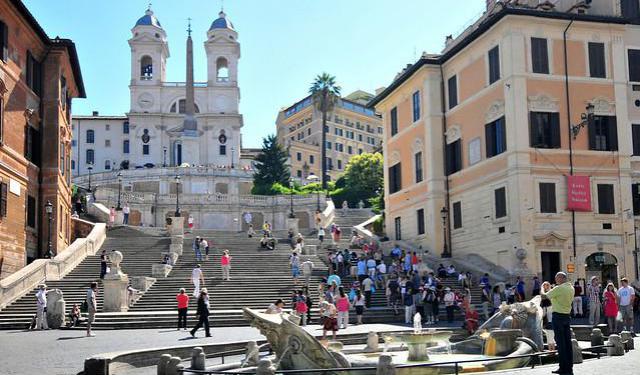
An established tourist mecca, today's Rome is hardly imaginable without two of its much loved attractions – the Spanish Steps and the Trevi Fountain. Magnets for tourists as they are, these two sights are connected to a number of other, not less worthy of attention locations, such as the Fountain of the Longboat or Piazza Colonna and its centerpiece, the Column of Marcus Aurelius, to... view more
Tour Duration: 1 Hour(s)
Travel Distance: 2.0 Km or 1.2 Miles
Tour Duration: 1 Hour(s)
Travel Distance: 2.0 Km or 1.2 Miles
Rome Shopping Streets Walking Tour
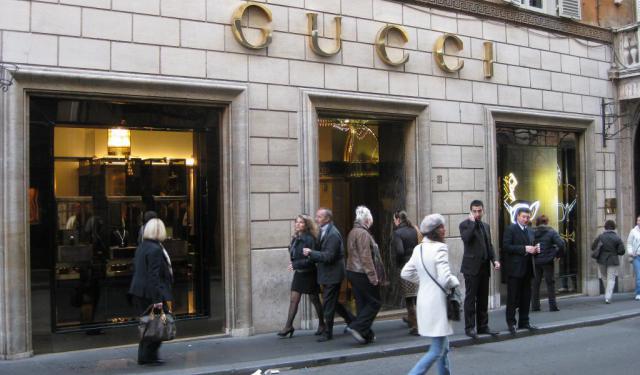
Loved by tourists for its busy fashionable streets and significant baroque icons, the so-called ‘Tridente’ is one of the Eternal City's most lusted-after areas, formed by Via dei Condotti, Via Borgognona, Via Frattina and the adjacent Via del Corso. It is perhaps the most high-end destination for Roman shopping, with a concentration of renowned jewelers and important Italian/international... view more
Tour Duration: 2 Hour(s)
Travel Distance: 2.9 Km or 1.8 Miles
Tour Duration: 2 Hour(s)
Travel Distance: 2.9 Km or 1.8 Miles
Seven Pilgrim Churches of Rome Walking Tour
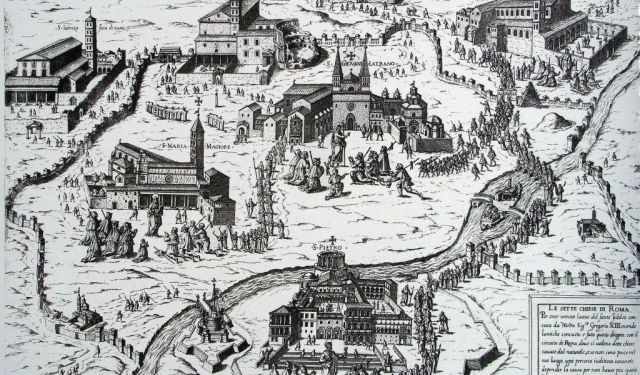
Rome has long played host to pilgrims-after all, it's home to the Pope, the Catholic Curia, and a treasure trove of relics linked to apostles, saints, and martyrs. Back in the day, the Via Francigena provided a straight shot for the faithful traveling from England to Rome. Upon arrival, it was tradition to visit the tombs of Saints Peter and Paul. When a Jubilee rolled around, the spiritual... view more
Tour Duration: 6 Hour(s)
Travel Distance: 17.4 Km or 10.8 Miles
Tour Duration: 6 Hour(s)
Travel Distance: 17.4 Km or 10.8 Miles
Food Tasting Walking Tour
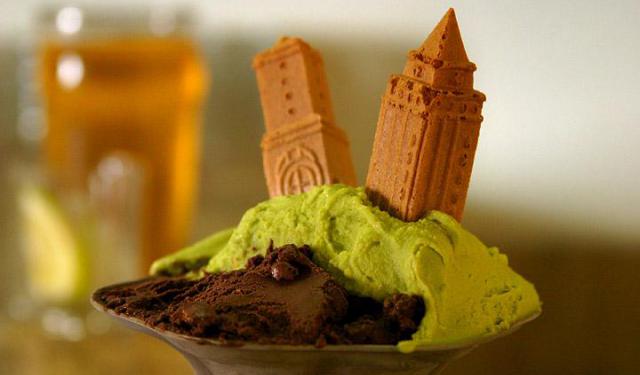
Whether it’s a long lunch or a stop-off for an ice cream on an evening stroll, eating in Rome is a very social activity. Culinary traditions run deep here, and it may well be one of Italy’s most pleasurable cities in which to eat. Deli shops, prosciutterias, pizzerias, fornos (bakeries) and caffès are also very popular and offer a great alternative to a restaurant meal.
On this... view more
Tour Duration: 2 Hour(s)
Travel Distance: 2.5 Km or 1.6 Miles
On this... view more
Tour Duration: 2 Hour(s)
Travel Distance: 2.5 Km or 1.6 Miles
Rome Introduction Walking Tour II
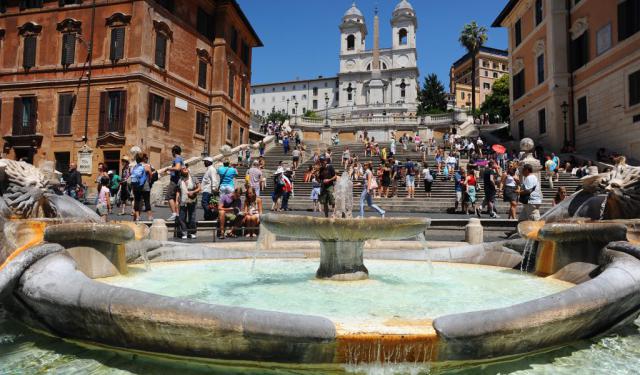
Rome, the Eternal City, carries a legacy shaped by centuries of resilience, transformation, and cultural flourishing. The fall of the Roman Empire in 476 AD marked the end of an era, plunging Western Europe into the dark Middle Ages. Yet, even amid the disarray, Rome endured as a beacon of unity, largely due to its status as the center of Catholicism. The papacy wielded spiritual influence,... view more
Tour Duration: 2 Hour(s)
Travel Distance: 3.4 Km or 2.1 Miles
Tour Duration: 2 Hour(s)
Travel Distance: 3.4 Km or 2.1 Miles
Roman Forum and Imperial Forums Walking Tour
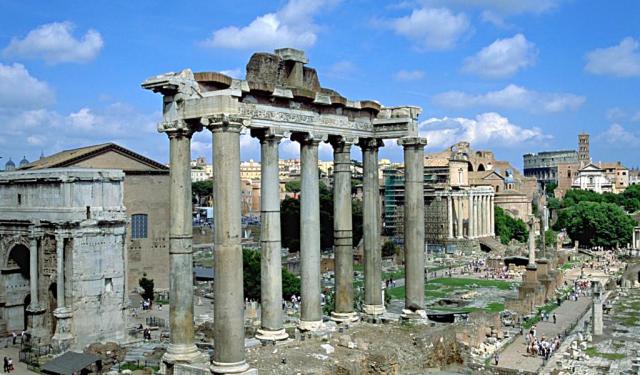
t's a known fact that Rome wasn't built in a day. But since it was built, the city has stood the test of time and become "eternal." A popular proverb says, "all roads lead to Rome," but very few realize that, inside Rome itself, all roads lead to the Forum.
Indeed, the central hub of ancient Rome, the Roman Forum and the Imperial Forums once served as the... view more
Tour Duration: 2 Hour(s)
Travel Distance: 2.0 Km or 1.2 Miles
Indeed, the central hub of ancient Rome, the Roman Forum and the Imperial Forums once served as the... view more
Tour Duration: 2 Hour(s)
Travel Distance: 2.0 Km or 1.2 Miles
Useful Travel Guides for Planning Your Trip
10 Best Food Markets in Rome Italy
Of all the things Italy is most famous for (cars, music, fashion, movies, etc.), food is, undoubtedly, top of the list. Rome may well not be the whole Italy, but no Italy is whole without Rome... And the Romans, much as all their fellow-Italians, like it "fresco", hence the abundance of...
Souvenirs Shopping: 15 Authentic Italian Things To Buy in Rome
Rome is the Eternal City and, as such, the list of gift options available here is countless. Whether it's something edible, drinkable, wearable or pleasing to the eye that you want - you will find it all here in abundance. However, if time or budget is the factor, perhaps you might want to...
17 Best Gelaterias in Rome Italy
For ice cream lovers and dabblers this guide is a treasure chest of Rome’s best gelato shops. There are gelaterias everywhere. Many visitors to Rome only have a few days to explore the city. You owe it to yourself to make the most of your time and find the gelato locals eat. Often the authentic...