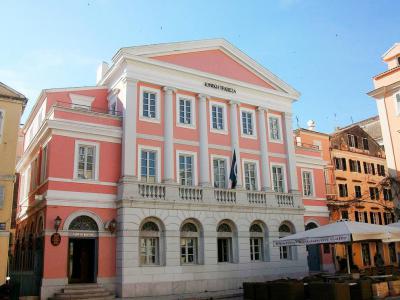


Banknote Museum of Alpha Bank, Corfu
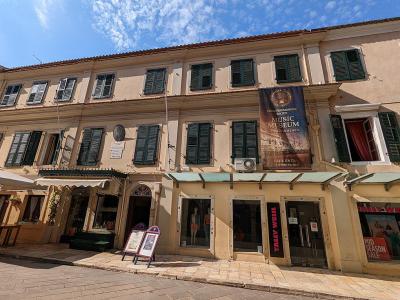
Nestled in the historic heart of Corfu, the Banknote Museum of Alpha Bank occupies a beautifully preserved neoclassical edifice originally built for the Ionian Bank in the mid-19th century. Designed by Corfiot architect Ioannis Chronis around 1840, this distinguished building once housed the first branch of the Ionian Bank. Since 2000, following the bank's merger with Alpha Bank, the site has carried forward its legacy with renewed purpose and care.
Established in 1981, the museum opened a window into Greek numismatic history, and after a careful renovation in the early 2000s, it reopened to the public in 2005. This transformation was guided by historian Aris Rapidis and included input from John Keyworth of the Bank of England, ensuring international museum standards in presentation and curation.
Inside, visitors embark on a chronological journey through nearly two centuries of Greece’s monetary evolution-from the revolutionary bonds issued in 1822 by the fledgling Greek State, through the iconic phoenix banknotes of Governor Kapodistrias, to the final drachma banknotes phased out in favor of the euro in 2002. Alongside around 2,000 banknotes, the displays showcase printing plates, essays, rare specimens like the 1860 “colonata,” and even a remarkable Byzantine-inspired note depicting Hagia Sophia from 1920 that was never circulated.
Free to all visitors and thoughtfully interpreted in both Greek and English, the museum packs a rich, engaging experience into a manageable visit, typically around 30 to 45 minutes.
Established in 1981, the museum opened a window into Greek numismatic history, and after a careful renovation in the early 2000s, it reopened to the public in 2005. This transformation was guided by historian Aris Rapidis and included input from John Keyworth of the Bank of England, ensuring international museum standards in presentation and curation.
Inside, visitors embark on a chronological journey through nearly two centuries of Greece’s monetary evolution-from the revolutionary bonds issued in 1822 by the fledgling Greek State, through the iconic phoenix banknotes of Governor Kapodistrias, to the final drachma banknotes phased out in favor of the euro in 2002. Alongside around 2,000 banknotes, the displays showcase printing plates, essays, rare specimens like the 1860 “colonata,” and even a remarkable Byzantine-inspired note depicting Hagia Sophia from 1920 that was never circulated.
Free to all visitors and thoughtfully interpreted in both Greek and English, the museum packs a rich, engaging experience into a manageable visit, typically around 30 to 45 minutes.
Want to visit this sight? Check out these Self-Guided Walking Tours in Corfu. Alternatively, you can download the mobile app "GPSmyCity: Walks in 1K+ Cities" from Apple App Store or Google Play Store. The app turns your mobile device to a personal tour guide and it works offline, so no data plan is needed when traveling abroad.
Download The GPSmyCity App



Banknote Museum of Alpha Bank on Map
Sight Name: Banknote Museum of Alpha Bank
Sight Location: Corfu, Greece (See walking tours in Corfu)
Sight Type: Museum/Gallery
Sight Location: Corfu, Greece (See walking tours in Corfu)
Sight Type: Museum/Gallery
Nearby Sights

Walking Tours in Corfu, Greece

Create Your Own Walk in Corfu
Creating your own self-guided walk in Corfu is easy and fun. Choose the city attractions that you want to see and a walk route map will be created just for you. You can even set your hotel as the start point of the walk.
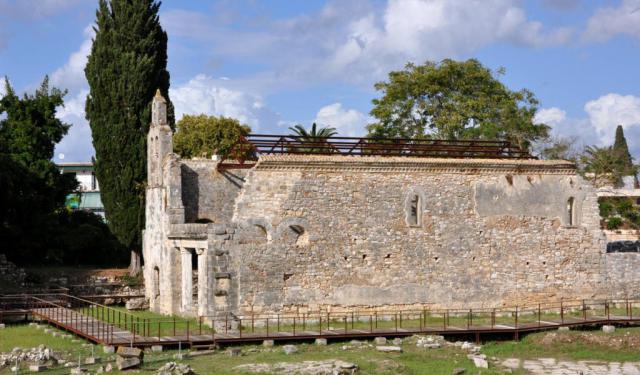
Paleopoli Ancient Ruins Walking Tour
The story of ancient Corfu begins long before the island became a popular Mediterranean destination. The earliest known reference to Corfu appears in the Mycenaean Linear B script, dating to around 1300 BC, where a name associated with Kerkyra is recorded. This suggests that the island was already connected to the wider Aegean world during the Bronze Age.
The ancient city of Korkyra developed... view more
Tour Duration: 2 Hour(s)
Travel Distance: 3.9 Km or 2.4 Miles
The ancient city of Korkyra developed... view more
Tour Duration: 2 Hour(s)
Travel Distance: 3.9 Km or 2.4 Miles
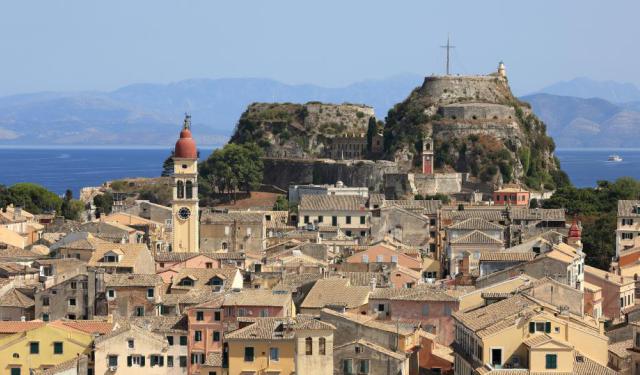
Corfu Old Town Walking Tour
Poseidon, the god of the sea, was obsessed with the beautiful nymph Korkyra, the daughter of the river god Asopus. Poseidon abducted Korkyra and carried her off to an unnamed island. He called the island Korkyra, after his lady love. This island later became Corfu.
By the 8th century BC, the Greek city Corinth had claimed it as a colony, and its ships became key players in the Peloponnesian... view more
Tour Duration: 1 Hour(s)
Travel Distance: 1.4 Km or 0.9 Miles
By the 8th century BC, the Greek city Corinth had claimed it as a colony, and its ships became key players in the Peloponnesian... view more
Tour Duration: 1 Hour(s)
Travel Distance: 1.4 Km or 0.9 Miles
Useful Travel Guides for Planning Your Trip
10 Things To Do In Corfu, Greece
Greek Islands, such as Mykonos, Rhodes, Corfu, Santorini, and many others, are a popular destination for people trying to escape the chaotic lifestyle back home. Corfu is one island that has it all: great weather, tasty food, relaxed atmosphere and an abundance of places to explore. The island...