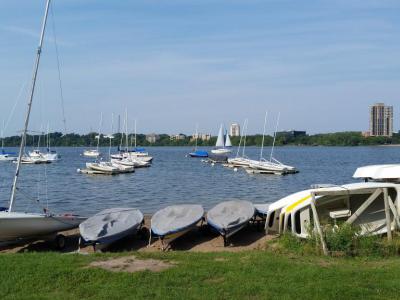


Bde Maka Ska Pavilion, Minneapolis
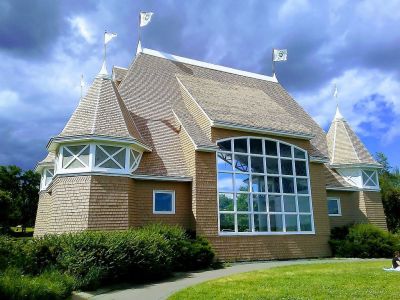
Nestled southwest of downtown Minneapolis, the Bde Maka Ska-Isles neighborhood is a haven for outdoor enthusiasts. From scenic walks and bike rides to paddle sessions around the Chain of Lakes, this area showcases the city’s natural beauty. Among the neighborhood’s most celebrated recent developments is the newly rebuilt Bde Maka Ska Pavilion. With its boat launch reopening in July 2023 and accessible, all-gender restrooms debuting shortly thereafter, the pavilion has become a community staple. Expanded and upgraded, it now hosts Pimento Jamaican Kitchen and Market, brings back historic naval artifacts, and features improved outdoor seating, a cozy performance stage, upgraded landscaping, and safer trails. A real gem, all around.
Delve into its history, and you’ll find the shores of Bde Maka Ska once supported a Dakota agricultural community known as Heyate Otunwe, or “Village to the Side.” Under the guidance of Dakota leader Mahpiya Wicasta (Cloud Man), Dakota men and their families settled here to hunt and cultivate new land. It was at this site that the Dakota language was first transcribed by missionaries-notably to document the language and translate religious texts into Dakota. Over time, however, the lake was renamed Lake Calhoun by a U.S. Army survey party, honoring Secretary of War John C. Calhoun, a staunch proponent of slavery and Native displacement. In 1863, exile policies forced the Dakota from their home at Bde Maka Ska, scattering a once-thriving community.
Nearly two centuries later, Minneapolis residents began reexamining the lake’s name, spurred by Cloud Man’s descendants. They led efforts to restore its original name, reflecting the Dakota connection to the land. After a lengthy campaign, Bde Maka Ska was reinstated in 2017. In the Dakota language, places aren’t named after individuals; instead, they’re described. “Bde” means “lake,” “Maka” translates to “earth,” and “Ska” means “white.” Following Dakota word order, Bde Maka Ska translates as “White Earth Lake.”
Delve into its history, and you’ll find the shores of Bde Maka Ska once supported a Dakota agricultural community known as Heyate Otunwe, or “Village to the Side.” Under the guidance of Dakota leader Mahpiya Wicasta (Cloud Man), Dakota men and their families settled here to hunt and cultivate new land. It was at this site that the Dakota language was first transcribed by missionaries-notably to document the language and translate religious texts into Dakota. Over time, however, the lake was renamed Lake Calhoun by a U.S. Army survey party, honoring Secretary of War John C. Calhoun, a staunch proponent of slavery and Native displacement. In 1863, exile policies forced the Dakota from their home at Bde Maka Ska, scattering a once-thriving community.
Nearly two centuries later, Minneapolis residents began reexamining the lake’s name, spurred by Cloud Man’s descendants. They led efforts to restore its original name, reflecting the Dakota connection to the land. After a lengthy campaign, Bde Maka Ska was reinstated in 2017. In the Dakota language, places aren’t named after individuals; instead, they’re described. “Bde” means “lake,” “Maka” translates to “earth,” and “Ska” means “white.” Following Dakota word order, Bde Maka Ska translates as “White Earth Lake.”
Want to visit this sight? Check out these Self-Guided Walking Tours in Minneapolis. Alternatively, you can download the mobile app "GPSmyCity: Walks in 1K+ Cities" from Apple App Store or Google Play Store. The app turns your mobile device to a personal tour guide and it works offline, so no data plan is needed when traveling abroad.
Download The GPSmyCity App



Bde Maka Ska Pavilion on Map
Sight Name: Bde Maka Ska Pavilion
Sight Location: Minneapolis, USA (See walking tours in Minneapolis)
Sight Type: Park/Outdoor
Sight Location: Minneapolis, USA (See walking tours in Minneapolis)
Sight Type: Park/Outdoor
Nearby Sights



Walking Tours in Minneapolis, Minnesota

Create Your Own Walk in Minneapolis
Creating your own self-guided walk in Minneapolis is easy and fun. Choose the city attractions that you want to see and a walk route map will be created just for you. You can even set your hotel as the start point of the walk.
Discover Minneapolis' Historical Churches on Foot
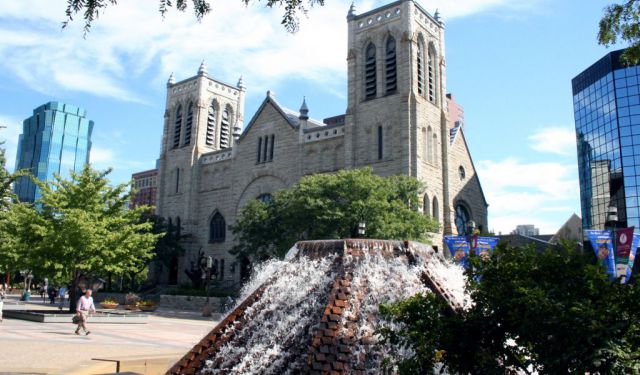
The "City of Lakes”, Minneapolis, doesn't pride itself solely on the lakes. In fact, you will be amazed by how many churches, cathedrals, and other places of worship are found throughout the city. These sacred structures have played a significant role in the development of Minneapolis and continue to serve as pillars of faith and community. Let's take a look at some of the most... view more
Tour Duration: 1 Hour
Travel Distance: 2.8 Km or 1.7 Miles
Tour Duration: 1 Hour
Travel Distance: 2.8 Km or 1.7 Miles
Saint Paul Downtown Walking Tour
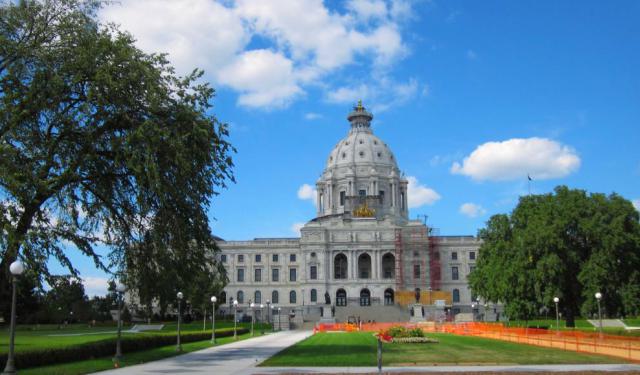
Saint Paul is a city shaped by a rich tapestry of cultures, its roots stretching back to the Dakota Sioux who first called the area home. Nestled along the Mississippi River, the city emerged as a thriving trade center, attracting French-Canadian fur traders and Catholic missionaries in the early19th century.
As the city grew, the Great Northern Railway played a pivotal role in transforming... view more
Tour Duration: 2 Hours
Travel Distance: 3.4 Km or 2.1 Miles
As the city grew, the Great Northern Railway played a pivotal role in transforming... view more
Tour Duration: 2 Hours
Travel Distance: 3.4 Km or 2.1 Miles
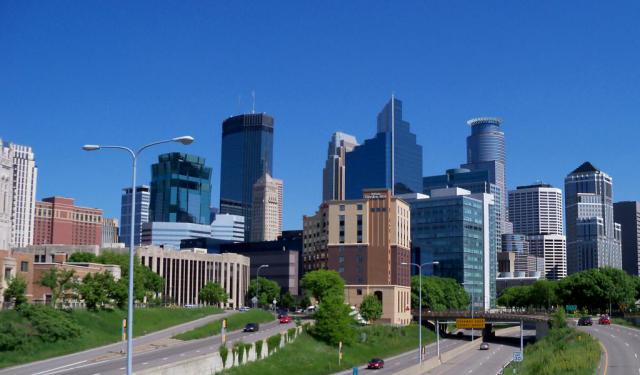
Minneapolis Downtown Walking Tour
Minneapolis, straddling the mighty Mississippi River, forms half of Minnesota’s renowned “Twin Cities” alongside its neighbor and state capital, Saint Paul. This vibrant metropolis is steeped in history, having first been home to the Dakota people long before European settlers arrived. Early development centered around Saint Anthony Falls, the river’s sole natural waterfall, which provided... view more
Tour Duration: 2 Hours
Travel Distance: 4.2 Km or 2.6 Miles
Tour Duration: 2 Hours
Travel Distance: 4.2 Km or 2.6 Miles
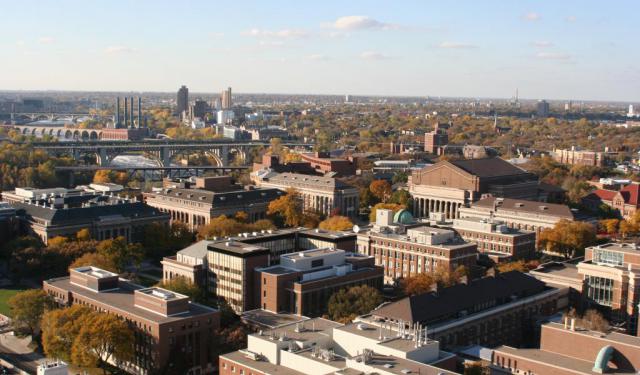
University of Minnesota - Minneapolis Campus Walking Tour
Founded in 1851, seven years before Minnesota became a state, the University of Minnesota is one of the largest educational institutions in the United States. The university campus in the “Twin Cities” of Minneapolis and Saint Paul, spread along the bank of the Mississippi River, is a sprawling hub renowned for its rich academic environment and vibrant life.
One of the central gathering... view more
Tour Duration: 2 Hours
Travel Distance: 2.9 Km or 1.8 Miles
One of the central gathering... view more
Tour Duration: 2 Hours
Travel Distance: 2.9 Km or 1.8 Miles
City Walks Overview
