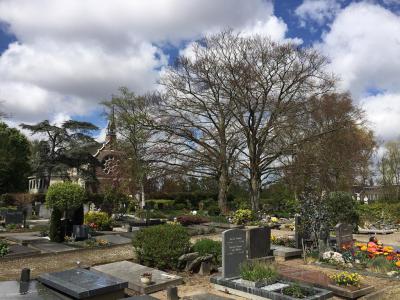


Begraafplaats Zijlpoort (Zijlpoort Cemetery), Leiden
The Zijlpoort Cemetery, located in Leiden, is a historically significant Roman Catholic cemetery established in 1828. It was built on the site of the former stronghold at the Zijlpoort in response to new burial regulations introduced by the Minister of the Interior in 1827. These regulations prohibited burials within churches or densely built-up areas starting in 1829, necessitating the creation of cemeteries at appropriate distances from urban areas. For Leiden, the ramparts of the former city walls, situated away from the town’s buildings, provided an ideal solution.
The cemetery was inaugurated in November 1828, with the first burials taking place on the 19th of that month. An inspection earlier that year confirmed that the new burial grounds conformed to the updated regulations. Designed to offer consecrated earth for Roman Catholic burials, the Zijlpoort Cemetery served the needs of the community with dignity and reverence.
At the heart of the cemetery stands a neoclassical chapel, constructed in 1828 based on the design of Th. Molkenboer. Flanked by a service house and utility rooms, the chapel remains a focal point of the cemetery and was designated as a national monument in 1976 for its architectural and historical value.
Although the cemetery was officially closed to new burials in 1969, exceptions were made for existing family graves. In 1985, it reopened without restrictions, allowing new interments. Over the years, Zijlpoort Cemetery has become the resting place of several prominent figures, including writer Maarten Biesheuvel, painter Aad Donker, physicist Willem Keesom, and Jos Weitenberg, the first professor of Armenian studies in the Netherlands.
Zijlpoort Cemetery continues to stand as a testament to the historical evolution of burial practices and as a serene memorial to Leiden’s past.
The cemetery was inaugurated in November 1828, with the first burials taking place on the 19th of that month. An inspection earlier that year confirmed that the new burial grounds conformed to the updated regulations. Designed to offer consecrated earth for Roman Catholic burials, the Zijlpoort Cemetery served the needs of the community with dignity and reverence.
At the heart of the cemetery stands a neoclassical chapel, constructed in 1828 based on the design of Th. Molkenboer. Flanked by a service house and utility rooms, the chapel remains a focal point of the cemetery and was designated as a national monument in 1976 for its architectural and historical value.
Although the cemetery was officially closed to new burials in 1969, exceptions were made for existing family graves. In 1985, it reopened without restrictions, allowing new interments. Over the years, Zijlpoort Cemetery has become the resting place of several prominent figures, including writer Maarten Biesheuvel, painter Aad Donker, physicist Willem Keesom, and Jos Weitenberg, the first professor of Armenian studies in the Netherlands.
Zijlpoort Cemetery continues to stand as a testament to the historical evolution of burial practices and as a serene memorial to Leiden’s past.
Want to visit this sight? Check out these Self-Guided Walking Tours in Leiden. Alternatively, you can download the mobile app "GPSmyCity: Walks in 1K+ Cities" from Apple App Store or Google Play Store. The app turns your mobile device to a personal tour guide and it works offline, so no data plan is needed when traveling abroad.
Download The GPSmyCity App



Begraafplaats Zijlpoort (Zijlpoort Cemetery) on Map
Sight Name: Begraafplaats Zijlpoort (Zijlpoort Cemetery)
Sight Location: Leiden, Netherlands (See walking tours in Leiden)
Sight Type: Attraction/Landmark
Sight Location: Leiden, Netherlands (See walking tours in Leiden)
Sight Type: Attraction/Landmark
Nearby Sights


Walking Tours in Leiden, Netherlands

Create Your Own Walk in Leiden
Creating your own self-guided walk in Leiden is easy and fun. Choose the city attractions that you want to see and a walk route map will be created just for you. You can even set your hotel as the start point of the walk.
A Walk Through Leiden's Charming Historic Old Town
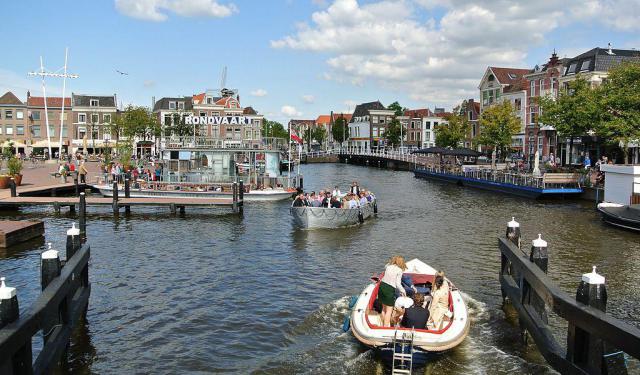
In the year 860, at the confluence of the Old Rhine and the New Rhine, there was a settlement called "Leithon." This word referred to a canalized river. The name is appropriate. Leiden from its beginnings was a city of canals.
In 1060 Alewin I, landlord of Leiden, built his fortified keep, the "Burcht" ("Fort"). The village of Leiden huddled around the fortified... view more
Tour Duration: 1 Hour(s)
Travel Distance: 2.2 Km or 1.4 Miles
In 1060 Alewin I, landlord of Leiden, built his fortified keep, the "Burcht" ("Fort"). The village of Leiden huddled around the fortified... view more
Tour Duration: 1 Hour(s)
Travel Distance: 2.2 Km or 1.4 Miles
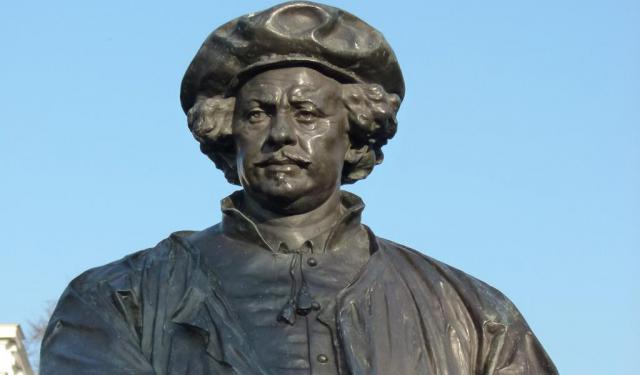
In the Footsteps of Young Rembrandt
Once a thriving hub for trade and textile manufacturing, and a home to Holland's oldest university, Leiden also made history as the birthplace of Rembrandt van Rijn, one of the greatest visual artists of the mankind, renowned for his ingenious use of light and shadow, and life-like portraits. The Golden Age of the Netherlands can still be felt in Leiden, especially if you follow in the... view more
Tour Duration: 1 Hour(s)
Travel Distance: 1.2 Km or 0.7 Miles
Tour Duration: 1 Hour(s)
Travel Distance: 1.2 Km or 0.7 Miles