

Bellevue State Park, Wilmington (must see)
Bellevue State Park in Wilmington spans 328 acres of rolling meadows, wooded trails, and historic architecture overlooking the Delaware River. Its name comes from Bellevue Hall, the stately mansion that once belonged to William du Pont Jr., a prominent figure whose influence is still visible throughout the park's layout. The grounds are open daily, offering year-round recreation in a setting that blends natural beauty with a deep-rooted sense of place.
The origins of the estate date back to 1855, when wealthy wool merchant Hanson Robinson built a striking Gothic Revival mansion known as Woolton Hall. The dark stone structure, accented by towers designed for sweeping river views, stood as the estate’s centerpiece. Today, visitors can still spot a modest stone monument near the entrance marking the year of its construction. Shipping magnate C. R. Griggs preserved the hall and, in the 1870s, added a carriage house to house his collection of antique carriages.
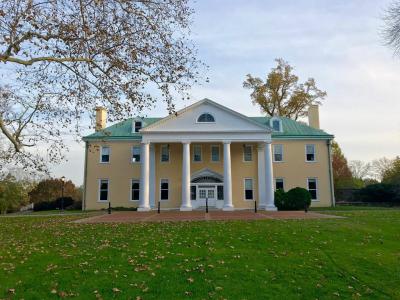
In 1893, the estate passed into the hands of William du Pont Sr., who expanded the grounds with barns and horse stables, reflecting his equestrian interests. His son, William du Pont Jr., inherited the estate in 1928 and gave Woolton Hall a dramatic transformation-remodeling it into a replica of Montpelier, President James Madison’s former home and his childhood residence. Renamed Bellevue Hall, the mansion became the centerpiece of an elaborate network of sports and leisure facilities.
William du Pont Jr.’s passions shaped the park’s identity further. During his marriage to equestrian Jean Liseter Austin, he expanded the estate’s horse facilities with indoor and outdoor tracks. Later, with tennis champion Margaret Osborne duPont, he added a swimming pool and several tennis courts. These additions turned Bellevue into a private playground for sports and equestrian pursuits, many of which remain accessible to parkgoers today.
After du Pont's death in 1965, the estate was sold to the state of Delaware, which opened it as Bellevue State Park in 1976. Among its preserved landmarks is the Mount Pleasant Methodist Episcopal Church and Parsonage, which was added to the National Register of Historic Places in 1998. Today, Bellevue remains a unique destination where layers of aristocratic legacy, recreational innovation, and community access converge in a single, elegant landscape.
The origins of the estate date back to 1855, when wealthy wool merchant Hanson Robinson built a striking Gothic Revival mansion known as Woolton Hall. The dark stone structure, accented by towers designed for sweeping river views, stood as the estate’s centerpiece. Today, visitors can still spot a modest stone monument near the entrance marking the year of its construction. Shipping magnate C. R. Griggs preserved the hall and, in the 1870s, added a carriage house to house his collection of antique carriages.
In 1893, the estate passed into the hands of William du Pont Sr., who expanded the grounds with barns and horse stables, reflecting his equestrian interests. His son, William du Pont Jr., inherited the estate in 1928 and gave Woolton Hall a dramatic transformation-remodeling it into a replica of Montpelier, President James Madison’s former home and his childhood residence. Renamed Bellevue Hall, the mansion became the centerpiece of an elaborate network of sports and leisure facilities.
William du Pont Jr.’s passions shaped the park’s identity further. During his marriage to equestrian Jean Liseter Austin, he expanded the estate’s horse facilities with indoor and outdoor tracks. Later, with tennis champion Margaret Osborne duPont, he added a swimming pool and several tennis courts. These additions turned Bellevue into a private playground for sports and equestrian pursuits, many of which remain accessible to parkgoers today.
After du Pont's death in 1965, the estate was sold to the state of Delaware, which opened it as Bellevue State Park in 1976. Among its preserved landmarks is the Mount Pleasant Methodist Episcopal Church and Parsonage, which was added to the National Register of Historic Places in 1998. Today, Bellevue remains a unique destination where layers of aristocratic legacy, recreational innovation, and community access converge in a single, elegant landscape.
Want to visit this sight? Check out these Self-Guided Walking Tours in Wilmington. Alternatively, you can download the mobile app "GPSmyCity: Walks in 1K+ Cities" from Apple App Store or Google Play Store. The app turns your mobile device to a personal tour guide and it works offline, so no data plan is needed when traveling abroad.
Download The GPSmyCity App



Bellevue State Park on Map
Sight Name: Bellevue State Park
Sight Location: Wilmington, USA (See walking tours in Wilmington)
Sight Type: Park/Outdoor
Sight Location: Wilmington, USA (See walking tours in Wilmington)
Sight Type: Park/Outdoor
Nearby Sights

Walking Tours in Wilmington, Delaware

Create Your Own Walk in Wilmington
Creating your own self-guided walk in Wilmington is easy and fun. Choose the city attractions that you want to see and a walk route map will be created just for you. You can even set your hotel as the start point of the walk.
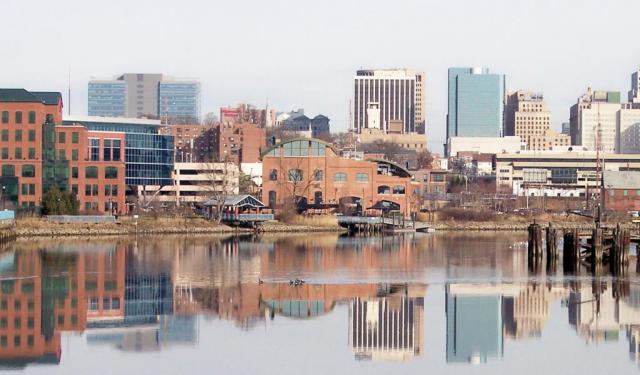
Wilmington Downtown Walking Tour
Wilmington is the largest city in Delaware. It lies at the confluence of the Brandywine and Christina Rivers. Wilmington was originally home to the Lenape people. However, the land was purchased from Chief Mattahorn by the Swedish South Company in 1638. They built Fort Christina at the mouth of what would later be called the Christina River.
The Swedish lost control of the Fort Christina... view more
Tour Duration: 2 Hours
Travel Distance: 2.8 Km or 1.7 Miles
The Swedish lost control of the Fort Christina... view more
Tour Duration: 2 Hours
Travel Distance: 2.8 Km or 1.7 Miles
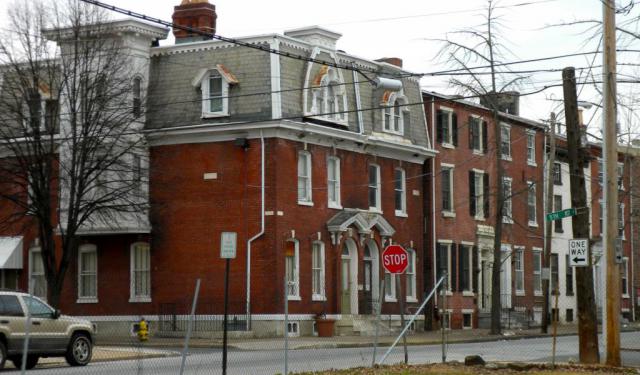
Discover Wilmington's Quaker Hill and Downtown Historical Buildings
For many visitors to Delaware's Wilmington, the downtown district is the main area of interest.
Indeed, the majority of Wilmington's most distinguished attractions are found here. Steeped in history, this part of the city still carries legacy of its first Swedish settlers much as that of the du Pont family who left a great deal of mark on the town's history. Some of the key local... view more
Tour Duration: 2 Hours
Travel Distance: 2.8 Km or 1.7 Miles
Indeed, the majority of Wilmington's most distinguished attractions are found here. Steeped in history, this part of the city still carries legacy of its first Swedish settlers much as that of the du Pont family who left a great deal of mark on the town's history. Some of the key local... view more
Tour Duration: 2 Hours
Travel Distance: 2.8 Km or 1.7 Miles
City Walks Overview
