

Callejón de los Sapos (Alley of the Frogs), Puebla (must see)
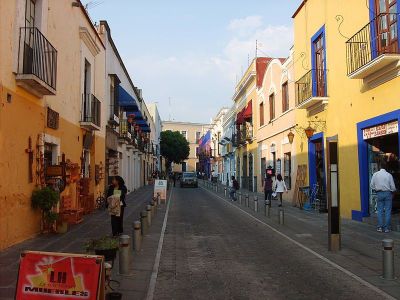
Callejón de los Sapos, or Alley of the Frogs, is a colourful pedestrian lane with colonial façades, small shops, galleries, cafés, and weekend stalls. Its name comes from flooding by the nearby San Francisco River, which once left pools of water that attracted frogs and toads. The river was later channelled underground, turning the old waterside setting into part of the modern urban landscape.
Before becoming a place for browsing and photography, the area had a more practical and noisy life. During periods of heavy water flow, mills operated near the old river course, using the current for work rather than display. In the 19th century, the central square of Los Sapos also held a local bullring, built in 1849 and demolished in 1867. These details help explain why the alley feels layered: behind its present-day cafés and antique shops is a history of water, trade, entertainment, and neighbourhood life.
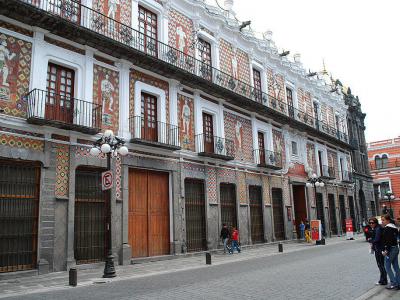
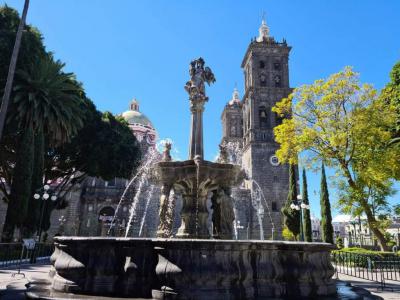
Today, the place is best known for its visual character. Brightly painted houses, balconies, carved doors, Talavera details, and cobblestones create a compact setting closely tied to the historic centre. Some accounts also connect the lane’s older tilework with frog and toad motifs, a playful reference to the story behind its name. In the main plaza, a stone fountain with a sculpted toad keeps that memory visible, turning local folklore into a small public landmark.
Its strongest attraction is the antiques and flea-market atmosphere. On weekends, vendors sell antiques, books, records, furniture, crafts, and assorted curiosities. After dark, especially on Friday and Saturday nights, lights, music, restaurants, and cantinas give the alley a livelier mood.
Before becoming a place for browsing and photography, the area had a more practical and noisy life. During periods of heavy water flow, mills operated near the old river course, using the current for work rather than display. In the 19th century, the central square of Los Sapos also held a local bullring, built in 1849 and demolished in 1867. These details help explain why the alley feels layered: behind its present-day cafés and antique shops is a history of water, trade, entertainment, and neighbourhood life.
Today, the place is best known for its visual character. Brightly painted houses, balconies, carved doors, Talavera details, and cobblestones create a compact setting closely tied to the historic centre. Some accounts also connect the lane’s older tilework with frog and toad motifs, a playful reference to the story behind its name. In the main plaza, a stone fountain with a sculpted toad keeps that memory visible, turning local folklore into a small public landmark.
Its strongest attraction is the antiques and flea-market atmosphere. On weekends, vendors sell antiques, books, records, furniture, crafts, and assorted curiosities. After dark, especially on Friday and Saturday nights, lights, music, restaurants, and cantinas give the alley a livelier mood.
Want to visit this sight? Check out these Self-Guided Walking Tours in Puebla. Alternatively, you can download the mobile app "GPSmyCity: Walks in 1K+ Cities" from Apple App Store or Google Play Store. The app turns your mobile device to a personal tour guide and it works offline, so no data plan is needed when traveling abroad.
Download The GPSmyCity App



Callejón de los Sapos (Alley of the Frogs) on Map
Sight Name: Callejón de los Sapos (Alley of the Frogs)
Sight Location: Puebla, Mexico (See walking tours in Puebla)
Sight Type: Shopping
Guide(s) Containing This Sight:
Sight Location: Puebla, Mexico (See walking tours in Puebla)
Sight Type: Shopping
Guide(s) Containing This Sight:
Nearby Sights

Walking Tours in Puebla, Mexico

Create Your Own Walk in Puebla
Creating your own self-guided walk in Puebla is easy and fun. Choose the city attractions that you want to see and a walk route map will be created just for you. You can even set your hotel as the start point of the walk.
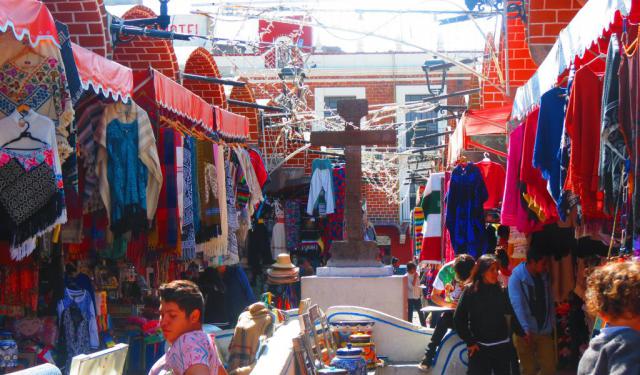
Puebla Food Tasting and Shopping Tour
Among other delights that the Mexican city of Puebla can pride itself on is the abundant food and shopping scene fit to delight even the most discerning travelers with an array of colors and flavors to treat themselves to.
One spot to visit for non-trivial shopping is the Alley of the Frogs (Callejón de los Sapos), where antique stores and vendors line the cobblestone streets, offering a... view more
Tour Duration: 1 Hour
Travel Distance: 2.5 Km or 1.6 Miles
One spot to visit for non-trivial shopping is the Alley of the Frogs (Callejón de los Sapos), where antique stores and vendors line the cobblestone streets, offering a... view more
Tour Duration: 1 Hour
Travel Distance: 2.5 Km or 1.6 Miles
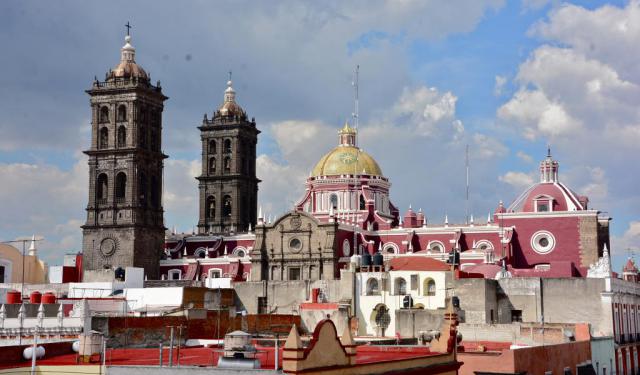
Puebla Introduction Walking Tour
The city of Puebla is the capital of the state of Puebla and the fourth largest city in Mexico. It was founded in 1531 in an uninhabited area between two indigenous settlements of the time, Tlaxcala and Cholula. The area used to be called Cuetlaxcoapan, which means "where serpents change their skin".
Spanish conquistador Hernán Cortés occupied the Puebla region in 1519, killing most... view more
Tour Duration: 2 Hours
Travel Distance: 2.5 Km or 1.6 Miles
Spanish conquistador Hernán Cortés occupied the Puebla region in 1519, killing most... view more
Tour Duration: 2 Hours
Travel Distance: 2.5 Km or 1.6 Miles
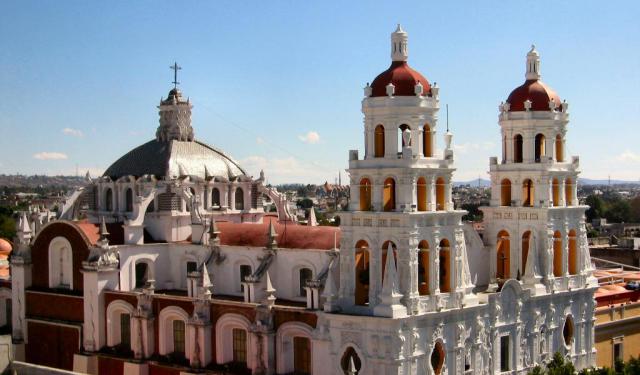
Puebla Colonial Architecture Walking Tour
One of the most authentic and traditional destinations in Mexico, the city of Puebla abounds in Baroque architecture, or rather the peculiar regional form thereof resulted from the fusion of European and indigenous styles in the 17th and 18th centuries.
Visiting this magical place you will find lots of (more than 70!) sumptuous churches, convents and sanctuaries, as well as other incredible... view more
Tour Duration: 2 Hours
Travel Distance: 3 Km or 1.9 Miles
Visiting this magical place you will find lots of (more than 70!) sumptuous churches, convents and sanctuaries, as well as other incredible... view more
Tour Duration: 2 Hours
Travel Distance: 3 Km or 1.9 Miles