

Castle Garden (Burggarten), Nuremberg
Nuremberg's Castle Garden (Burggarten) is a historical gem that displays different styles of garden design linked to its royal heritage. The gardens, originating around 1425, have changed over the centuries, with no original designs surviving. The oldest depiction is a simple tree garden surrounded by a woven fence.
One notable historical feature is the "hanging gardens" created by Emperor Friedrich III in the 1450s on the south side of the main hall. Modeled after the fabled gardens of Semiramis, these gardens were built on pillars and decorated with vines, flowers, and small fruit trees. These gardens gained recognition in Johann Christoph Volkamer’s 18th-century copper engraving "Nuremberg Hesperides," which highlighted their detailed designs and diverse plant life.
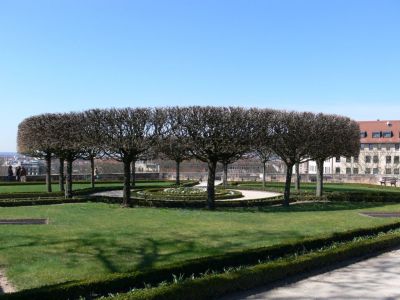
By the mid-1500s, the castle enhanced its defenses with bastions to the north and west, which later became the foundation for today’s Castle Garden. A standout part of the garden is a large bastion with a square area filled with roses, surrounded by a variety of trees, including the exotic pagoda trees (sophora japonica). A path leads from this area to the southern part of the garden, which features a circular bed surrounded by carefully pruned maples.
Next to the Heathens’ Tower, you’ll find the Maria Sibylla Merian Garden, named after the renowned Nuremberg artist and naturalist, adding a local and botanical highlight.
The garden also hosted the "Kunigunden lime tree" in the inner courtyard, reportedly planted by the canonized Empress Kunigunde. Although the original tree has been replaced, it remains a powerful symbol of the castle’s lively history, witnessing key events including castle court meetings and festivities, noted by Albrecht Dürer in 1455. These gardens are not just a tribute to the rich history of Nuremberg’s Imperial Castle, but they also provide a scenic sanctuary that combines historical stories with the beauty of nature.
One notable historical feature is the "hanging gardens" created by Emperor Friedrich III in the 1450s on the south side of the main hall. Modeled after the fabled gardens of Semiramis, these gardens were built on pillars and decorated with vines, flowers, and small fruit trees. These gardens gained recognition in Johann Christoph Volkamer’s 18th-century copper engraving "Nuremberg Hesperides," which highlighted their detailed designs and diverse plant life.
By the mid-1500s, the castle enhanced its defenses with bastions to the north and west, which later became the foundation for today’s Castle Garden. A standout part of the garden is a large bastion with a square area filled with roses, surrounded by a variety of trees, including the exotic pagoda trees (sophora japonica). A path leads from this area to the southern part of the garden, which features a circular bed surrounded by carefully pruned maples.
Next to the Heathens’ Tower, you’ll find the Maria Sibylla Merian Garden, named after the renowned Nuremberg artist and naturalist, adding a local and botanical highlight.
The garden also hosted the "Kunigunden lime tree" in the inner courtyard, reportedly planted by the canonized Empress Kunigunde. Although the original tree has been replaced, it remains a powerful symbol of the castle’s lively history, witnessing key events including castle court meetings and festivities, noted by Albrecht Dürer in 1455. These gardens are not just a tribute to the rich history of Nuremberg’s Imperial Castle, but they also provide a scenic sanctuary that combines historical stories with the beauty of nature.
Want to visit this sight? Check out these Self-Guided Walking Tours in Nuremberg. Alternatively, you can download the mobile app "GPSmyCity: Walks in 1K+ Cities" from Apple App Store or Google Play Store. The app turns your mobile device to a personal tour guide and it works offline, so no data plan is needed when traveling abroad.
Download The GPSmyCity App



Castle Garden (Burggarten) on Map
Sight Name: Castle Garden (Burggarten)
Sight Location: Nuremberg, Germany (See walking tours in Nuremberg)
Sight Type: Attraction/Landmark
Sight Location: Nuremberg, Germany (See walking tours in Nuremberg)
Sight Type: Attraction/Landmark
Nearby Sights

Walking Tours in Nuremberg, Germany

Create Your Own Walk in Nuremberg
Creating your own self-guided walk in Nuremberg is easy and fun. Choose the city attractions that you want to see and a walk route map will be created just for you. You can even set your hotel as the start point of the walk.
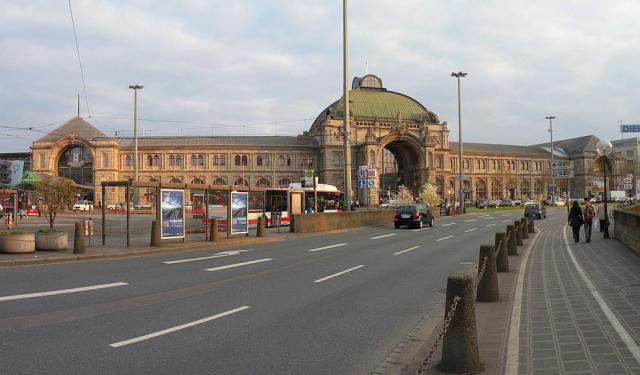
A Walk Through Nuremberg's Historical Old Town
American poet Henry Wadsworth Longfellow described Nuremberg as a “quaint old town of toil and traffic, quaint old town of art and song.”
Nuremberg has witnessed some of the most significant events in German history. For many people, the city is first associated with the rise of the Third Reich, the Nazi Party rallies, and the postwar trials of Nazi leaders. Indeed, Hitler regarded... view more
Tour Duration: 3 Hour(s)
Travel Distance: 3.8 Km or 2.4 Miles
Nuremberg has witnessed some of the most significant events in German history. For many people, the city is first associated with the rise of the Third Reich, the Nazi Party rallies, and the postwar trials of Nazi leaders. Indeed, Hitler regarded... view more
Tour Duration: 3 Hour(s)
Travel Distance: 3.8 Km or 2.4 Miles
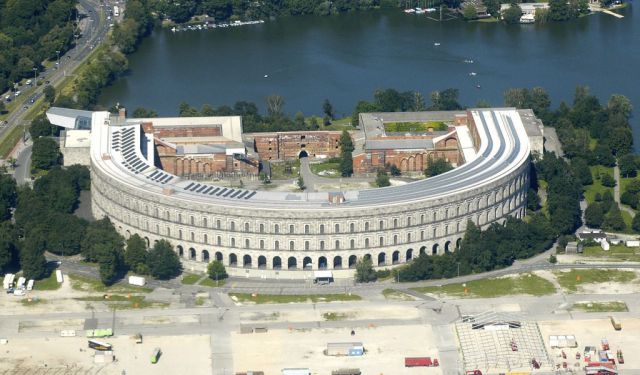
Hitler's Nuremberg Tour
Nuremberg’s association with Adolf Hitler and National Socialism is one of the darkest chapters in the city’s history. Although Nuremberg is known for its medieval architecture and storybook appearance, few German cities are as closely intertwined with the Nazi legacy. Hitler referred to it as the “City of the Party Rallies” and regarded it as a model for the ideal German city.
The... view more
Tour Duration: 2 Hour(s)
Travel Distance: 4.9 Km or 3 Miles
The... view more
Tour Duration: 2 Hour(s)
Travel Distance: 4.9 Km or 3 Miles