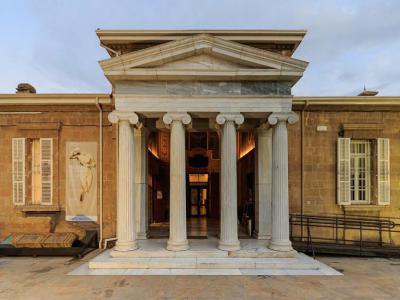


Cyprus Archaeological Museum, Nicosia (must see)
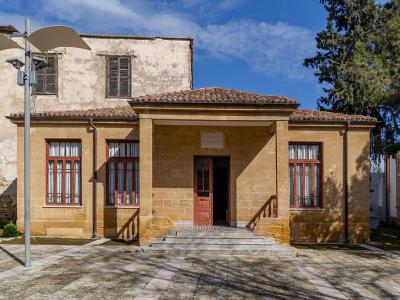
The Cyprus Archaeological Museum, also known simply as the Cyprus Museum, is the oldest and largest archaeological museum on the island. Located on Museum Street in central Nicosia, it stands as the country’s main repository of ancient heritage, housing the world’s most extensive collection of Cypriot antiquities-all excavated within Cyprus itself.
The Cyprus Museum was founded in 1882 during British rule, following a petition by locals concerned about the looting and smuggling of antiquities-most notably by U.S. Ambassador Luigi Palma di Cesnola, who removed over 35,000 artifacts. Initially housed in government offices and funded by private donations, the museum moved to its premises in 1889 and into its current neoclassical building in 1924, designed by N. Balanos and supervised by curator George H. Everett Jeffery.
The museum’s collections grew rapidly, benefiting from local and international excavations, including the notable Swedish Cyprus Expedition (1927–1931) led by Professor Einar Gjerstad. Key catalogs, such as the one compiled by Sir John Myres and Max Ohnefalsch-Richter in 1899, helped organize the growing inventory. By 1961, new galleries and facilities were added, supporting conservation and research.
Today, the Cyprus Museum spans fourteen exhibition halls, arranged chronologically and thematically from the Neolithic period to Roman times. While it remains the centerpiece for pre-independence finds, more recent archaeological discoveries are now distributed among Cyprus’s regional museums. Still, the museum continues to acquire major new pieces, maintaining its central role in the island’s cultural life.
The Cyprus Museum was founded in 1882 during British rule, following a petition by locals concerned about the looting and smuggling of antiquities-most notably by U.S. Ambassador Luigi Palma di Cesnola, who removed over 35,000 artifacts. Initially housed in government offices and funded by private donations, the museum moved to its premises in 1889 and into its current neoclassical building in 1924, designed by N. Balanos and supervised by curator George H. Everett Jeffery.
The museum’s collections grew rapidly, benefiting from local and international excavations, including the notable Swedish Cyprus Expedition (1927–1931) led by Professor Einar Gjerstad. Key catalogs, such as the one compiled by Sir John Myres and Max Ohnefalsch-Richter in 1899, helped organize the growing inventory. By 1961, new galleries and facilities were added, supporting conservation and research.
Today, the Cyprus Museum spans fourteen exhibition halls, arranged chronologically and thematically from the Neolithic period to Roman times. While it remains the centerpiece for pre-independence finds, more recent archaeological discoveries are now distributed among Cyprus’s regional museums. Still, the museum continues to acquire major new pieces, maintaining its central role in the island’s cultural life.
Want to visit this sight? Check out these Self-Guided Walking Tours in Nicosia. Alternatively, you can download the mobile app "GPSmyCity: Walks in 1K+ Cities" from Apple App Store or Google Play Store. The app turns your mobile device to a personal tour guide and it works offline, so no data plan is needed when traveling abroad.
Download The GPSmyCity App



Cyprus Archaeological Museum on Map
Sight Name: Cyprus Archaeological Museum
Sight Location: Nicosia, Cyprus (See walking tours in Nicosia)
Sight Type: Museum/Gallery
Sight Location: Nicosia, Cyprus (See walking tours in Nicosia)
Sight Type: Museum/Gallery
Nearby Sights

Walking Tours in Nicosia, Cyprus

Create Your Own Walk in Nicosia
Creating your own self-guided walk in Nicosia is easy and fun. Choose the city attractions that you want to see and a walk route map will be created just for you. You can even set your hotel as the start point of the walk.
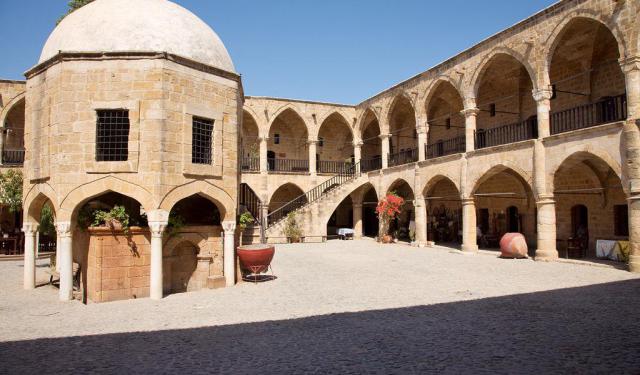
Turkish Old Town Walking Tour
Nicosia wasn't always Nicosia. It was originally called Leukosia. In Greek mythology Leukosia was a siren, a daughter of Achelous, a river god, and Melpomene, Muse of Tragedy. They had several daughters, Leukosia was one.
Others say the first settlers were Achaean veterans of the Trojan War. They appeared on the plain of Mesaoria by the river Pedieos in 2,500 BC. They formed the city... view more
Tour Duration: 2 Hour(s)
Travel Distance: 2.2 Km or 1.4 Miles
Others say the first settlers were Achaean veterans of the Trojan War. They appeared on the plain of Mesaoria by the river Pedieos in 2,500 BC. They formed the city... view more
Tour Duration: 2 Hour(s)
Travel Distance: 2.2 Km or 1.4 Miles
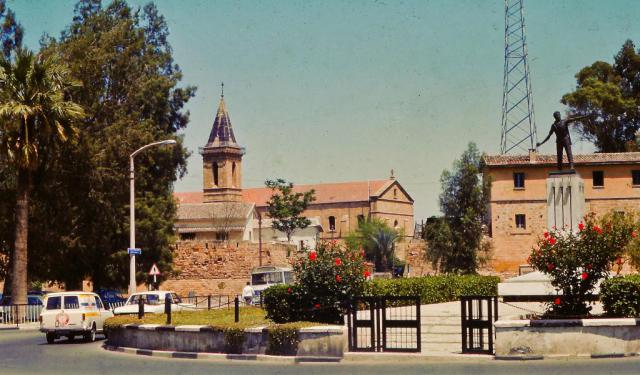
Greek Old Town Walking Tour
Nicosia is Cyprus’s capital and its largest city. It is Europe’s last divided capital, with Turkish Cypriots living on the north side and Greek Cypriots living on the south side.
Nicosia has been continuously occupied for over 4,500 years and has been Cyprus's capital for over 1,000 years. It has a turbulent political history, and the Franks, Venetians, Ottomans, and British have... view more
Tour Duration: 2 Hour(s)
Travel Distance: 3.0 Km or 1.9 Miles
Nicosia has been continuously occupied for over 4,500 years and has been Cyprus's capital for over 1,000 years. It has a turbulent political history, and the Franks, Venetians, Ottomans, and British have... view more
Tour Duration: 2 Hour(s)
Travel Distance: 3.0 Km or 1.9 Miles
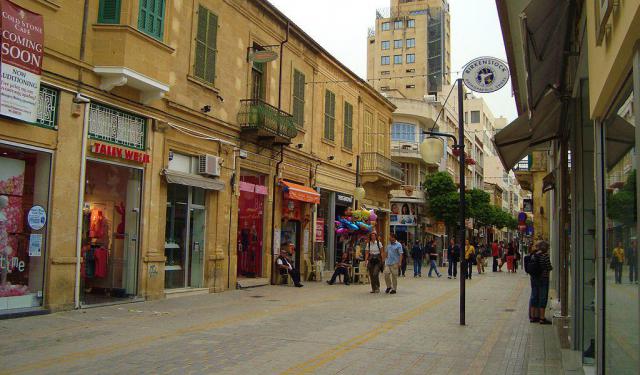
Nicosia Shopping Tour
There's probably no better shopping destination for tourists in Cyprus than Nicosia. Indeed, the country's exotic capital offers a vibrant mix of traditional markets and modern fashionable shops, catering to diverse tastes and preferences.
One of the must-visit spots is Bandabuliya Municipal Market, also known as Belediye Pazarı. Here, you can immerse yourself in the bustling... view more
Tour Duration: 1 Hour(s)
Travel Distance: 2.2 Km or 1.4 Miles
One of the must-visit spots is Bandabuliya Municipal Market, also known as Belediye Pazarı. Here, you can immerse yourself in the bustling... view more
Tour Duration: 1 Hour(s)
Travel Distance: 2.2 Km or 1.4 Miles