


Dominica Botanic Gardens, Roseau (must see)
Once celebrated as one of the finest botanical gardens in the Caribbean, the Dominica Botanic Gardens has retained its appeal despite facing significant challenges, including the extensive damage caused by Hurricane David in 1979. Restoration efforts over the years have ensured that the gardens remain a vibrant part of Roseau’s cultural and ecological landscape, attracting visitors with its lush greenery, diverse tropical flora, and serene atmosphere.
Among its most notable features is the bois kwaib, Dominica’s national tree and flower, symbolizing the island’s rich natural heritage. The gardens also showcase a wide array of botanical specimens, including the cannonball tree, banyan, century palm, and ylang-ylang, reflecting both ornamental and ecological significance.
The gardens are also a haven for wildlife. Endemic lizard species, such as the Dominican ground lizard and the Dominican anole, thrive among the trees, while birdwatchers can spot hummingbirds, carib grackles, and green herons. The Parrot Conservation and Research Centre, located within the gardens, is dedicated to protecting endangered species, including the Jacko and the Sisserou, the latter being the national bird of Dominica.
A molecular diagnostic laboratory, established through the Darwin Initiative, supports research on chytridiomycosis, a fungal disease threatening amphibians, particularly the endangered mountain chicken frog.
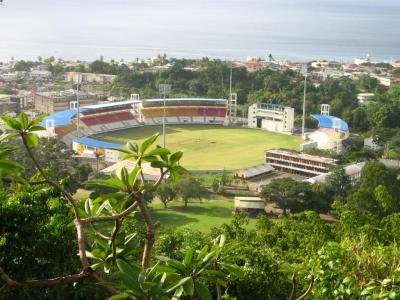
Beyond its scientific and ecological significance, the Dominica Botanic Gardens serves as a cultural and recreational hub. Open lawns host cricket matches and community events, while shaded paths and manicured landscapes offer a peaceful retreat from urban life.
Among its most notable features is the bois kwaib, Dominica’s national tree and flower, symbolizing the island’s rich natural heritage. The gardens also showcase a wide array of botanical specimens, including the cannonball tree, banyan, century palm, and ylang-ylang, reflecting both ornamental and ecological significance.
The gardens are also a haven for wildlife. Endemic lizard species, such as the Dominican ground lizard and the Dominican anole, thrive among the trees, while birdwatchers can spot hummingbirds, carib grackles, and green herons. The Parrot Conservation and Research Centre, located within the gardens, is dedicated to protecting endangered species, including the Jacko and the Sisserou, the latter being the national bird of Dominica.
A molecular diagnostic laboratory, established through the Darwin Initiative, supports research on chytridiomycosis, a fungal disease threatening amphibians, particularly the endangered mountain chicken frog.
Beyond its scientific and ecological significance, the Dominica Botanic Gardens serves as a cultural and recreational hub. Open lawns host cricket matches and community events, while shaded paths and manicured landscapes offer a peaceful retreat from urban life.
Want to visit this sight? Check out these Self-Guided Walking Tours in Roseau. Alternatively, you can download the mobile app "GPSmyCity: Walks in 1K+ Cities" from Apple App Store or Google Play Store. The app turns your mobile device to a personal tour guide and it works offline, so no data plan is needed when traveling abroad.
Download The GPSmyCity App



Dominica Botanic Gardens on Map
Sight Name: Dominica Botanic Gardens
Sight Location: Roseau, Dominica (See walking tours in Roseau)
Sight Type: Park/Outdoor
Guide(s) Containing This Sight:
Sight Location: Roseau, Dominica (See walking tours in Roseau)
Sight Type: Park/Outdoor
Guide(s) Containing This Sight:
Nearby Sights


Walking Tours in Roseau, Dominica

Create Your Own Walk in Roseau
Creating your own self-guided walk in Roseau is easy and fun. Choose the city attractions that you want to see and a walk route map will be created just for you. You can even set your hotel as the start point of the walk.
Roseau Introduction Walking Tour
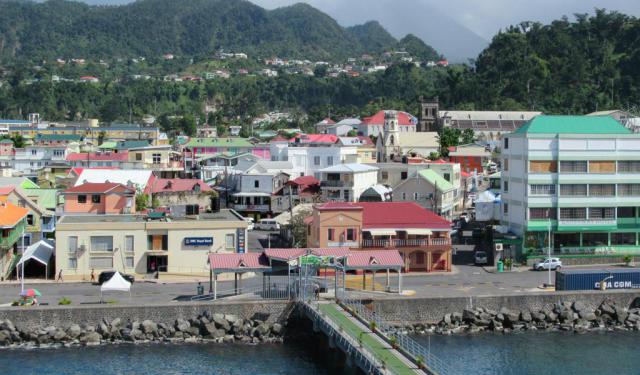
Roseau, the capital of the Caribbean nation of Dominica, marks the site of the oldest and most important urban settlement on the island.
Although European ships first appeared off the coast of Dominica in the 15th century, over the next hundred years it was inhabited only by Carib Indians, who settled the area of today's Roseau attracted by the nearby river. The French founded the town on... view more
Tour Duration: 2 Hours
Travel Distance: 2.9 Km or 1.8 Miles
Although European ships first appeared off the coast of Dominica in the 15th century, over the next hundred years it was inhabited only by Carib Indians, who settled the area of today's Roseau attracted by the nearby river. The French founded the town on... view more
Tour Duration: 2 Hours
Travel Distance: 2.9 Km or 1.8 Miles
City Walks Overview
