


Duomo di Ostuni (Ostuni Cathedral), Ostuni (must see)
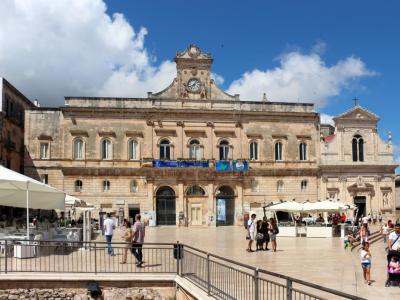
Ostuni Cathedral or Cathedral Basilica of Santa Maria Assunta, is dedicated to the Assumption of the Virgin Mary and holds a rich history. In 1228-1229, under the patronage of Frederick II of Swabia, the cathedral took on its present Romanesque architectural style. It was primarily constructed using pietra gentile, a local stone.
In 1456, an earthquake severely affected the region, including the cathedral. Following this disaster, from 1469 to 1495, the cathedral underwent a thorough reconstruction, embracing a Gothic architectural style.
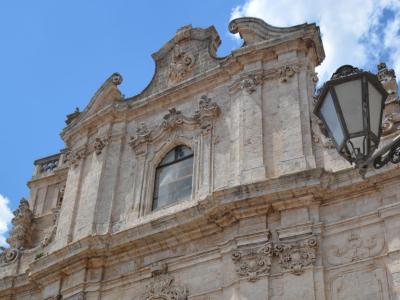
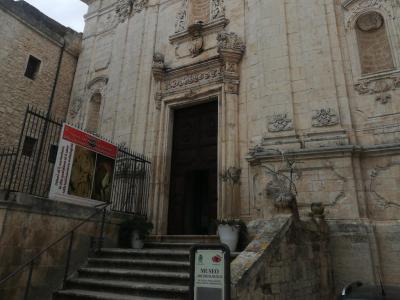
The cathedral's façade boasts an elegant rose window, a characteristic feature from the 15th century. At one point, there were four such windows gracing the exterior. A notable portal within the façade is dedicated to Saint Blaise (San Biagio in Italian), one of the city's beloved patrons, and showcases a finely carved image of the saint.
Inside the cathedral, visitors are treated to a wealth of artistic treasures adorning the ceiling and altars. The Chapel of the Sacred Heart, once dedicated to Saint Cajetan, features a canvas attributed to Domenico Antonio Vaccaro portraying the saint. The Cappellone dell'Immacolata (meaning Great Chapel of the Immaculate Conception in English) underwent embellishment during the 18th century. The sacristy houses a sizable venerated icon depicting Saint Oronzo.
Additionally, there is a chapel dedicated to the patron saints of Ostuni, namely Saint Blaise, Saint Augustine, Saint Orontius, and Saint Irene. The cathedral once possessed a painting of Santa Lucia by Palma il Giovane, which regrettably was stolen. In the apse, an altarpiece of the Assunta takes center stage, while the chapel of Saint Mary of Health features a fresco depicting Saint Catherine of Alexandria. A niche on the counter-façade cradles a 15th-century statue of Christ.
The cathedral's archives are a treasure trove of nearly 200 parchments dating back to the 12th century, providing valuable historical insights.
Recognizing its architectural and historical significance, Ostuni Cathedral was declared a National Monument in 1902.
Want to visit this sight? Check out these Self-Guided Walking Tours in Ostuni. Alternatively, you can download the mobile app "GPSmyCity: Walks in 1K+ Cities" from Apple App Store or Google Play Store. The app turns your mobile device to a personal tour guide and it works offline, so no data plan is needed when traveling abroad.
Download The GPSmyCity App



Duomo di Ostuni (Ostuni Cathedral) on Map
Sight Name: Duomo di Ostuni (Ostuni Cathedral)
Sight Location: Ostuni, Italy (See walking tours in Ostuni)
Sight Type: Religious
Guide(s) Containing This Sight:
Nearby Sights

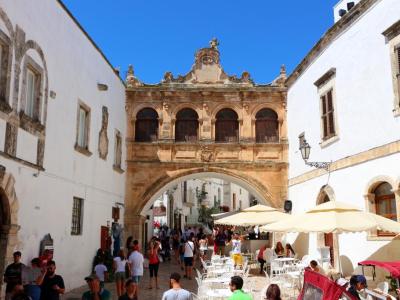
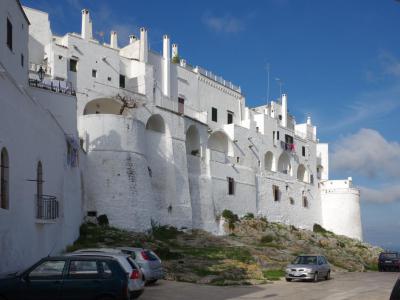


Walking Tours in Ostuni, Italy
Create Your Own Walk in Ostuni
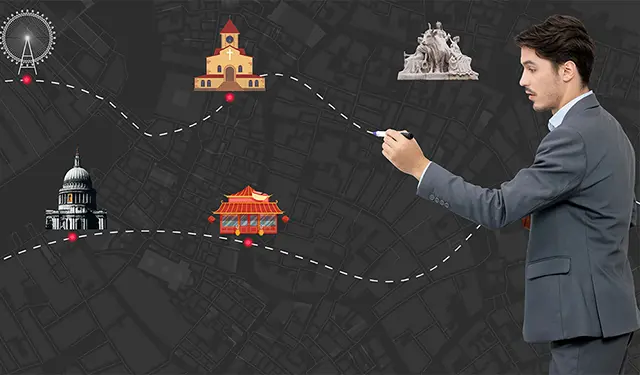
Creating your own self-guided walk in Ostuni is easy and fun. Choose the city attractions that you want to see and a walk route map will be created just for you. You can even set your hotel as the start point of the walk.

Ostuni Introduction Walking Tour
A self-guided walk through Ostuni, from Freedom Square past Ostuni Cathedral to the Ostuni City Walls. This 1-hour, 0.7 km (0.4 mi) walk has 8 stops, with an audio guide in the GPSmyCity app.
Walk Introduction
Perched atop a protective hill on the coast of Apulia, Italy, the picturesque town of Ostuni is a veritable maze, with a tapestry of houses upon houses, weaving together centuries of... view more
Tour Duration: 1 Hour
Travel Distance: 0.7 Km or 0.4 Miles
City Walks Overview
