

Ehrenbreitstein Fortress, Koblenz (must see)
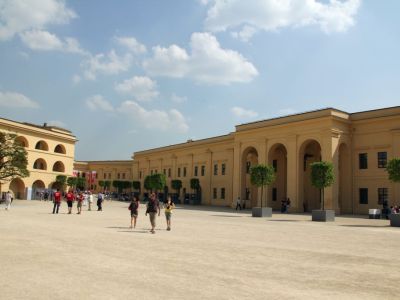
Rising high above the confluence of the Rhine and Moselle rivers, the Ehrenbreitstein Fortress is one of Koblenz’s most iconic landmarks. Perched on a rocky plateau opposite the Deutsches Eck, this massive stronghold has guarded the region for centuries. Its commanding position allowed it to protect the important river trade routes and to serve as a strategic military base for whoever controlled the Rhine. The current fortress was constructed between 1817 and 1828 by Prussian forces, but the site itself has been fortified since Roman times, giving it a history that stretches back nearly two millennia.
Visitors today can sense the layers of history embedded within its massive stone walls. The fortress was once a symbol of Prussian military strength, and its bastions, moats, and gates speak to a time when Koblenz was a key defensive point in Europe. During the 19th century, Ehrenbreitstein became part of one of the largest fortress complexes on the continent, overlooking the Rhine Valley and standing guard against potential invaders. Its sweeping views offer a vivid reminder of why this location was so strategically vital.
In more recent decades, the fortress has been transformed from a bastion of defense into a cultural hub. It now houses the Haus der Geschichte (House of History), which explores German history from 1945 onward, alongside exhibitions on photography, archaeology, and regional heritage. The spacious courtyards often host concerts, open-air cinema nights, and festivals, breathing new life into its historic ramparts.
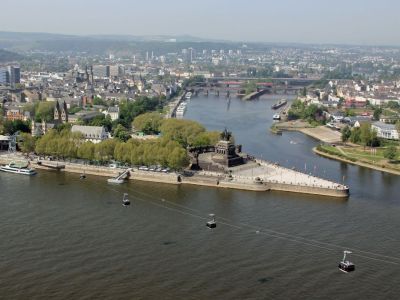
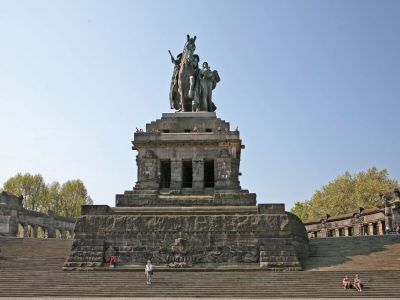
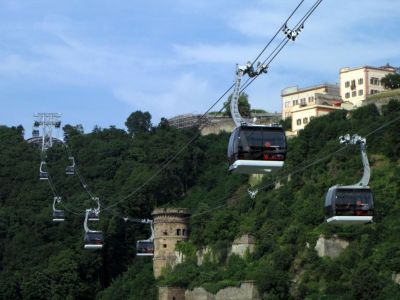
Reaching the fortress is a memorable experience in itself. Many visitors choose the cable car ride across the Rhine, which offers a spectacular aerial perspective of Koblenz’s old town, the confluence of the rivers, and the monumental equestrian statue of Emperor William I.
Visitors today can sense the layers of history embedded within its massive stone walls. The fortress was once a symbol of Prussian military strength, and its bastions, moats, and gates speak to a time when Koblenz was a key defensive point in Europe. During the 19th century, Ehrenbreitstein became part of one of the largest fortress complexes on the continent, overlooking the Rhine Valley and standing guard against potential invaders. Its sweeping views offer a vivid reminder of why this location was so strategically vital.
In more recent decades, the fortress has been transformed from a bastion of defense into a cultural hub. It now houses the Haus der Geschichte (House of History), which explores German history from 1945 onward, alongside exhibitions on photography, archaeology, and regional heritage. The spacious courtyards often host concerts, open-air cinema nights, and festivals, breathing new life into its historic ramparts.
Reaching the fortress is a memorable experience in itself. Many visitors choose the cable car ride across the Rhine, which offers a spectacular aerial perspective of Koblenz’s old town, the confluence of the rivers, and the monumental equestrian statue of Emperor William I.
Want to visit this sight? Check out these Self-Guided Walking Tours in Koblenz. Alternatively, you can download the mobile app "GPSmyCity: Walks in 1K+ Cities" from Apple App Store or Google Play Store. The app turns your mobile device to a personal tour guide and it works offline, so no data plan is needed when traveling abroad.
Download The GPSmyCity App



Ehrenbreitstein Fortress on Map
Sight Name: Ehrenbreitstein Fortress
Sight Location: Koblenz, Germany (See walking tours in Koblenz)
Sight Type: Attraction/Landmark
Sight Location: Koblenz, Germany (See walking tours in Koblenz)
Sight Type: Attraction/Landmark
Nearby Sights

Walking Tours in Koblenz, Germany

Create Your Own Walk in Koblenz
Creating your own self-guided walk in Koblenz is easy and fun. Choose the city attractions that you want to see and a walk route map will be created just for you. You can even set your hotel as the start point of the walk.
Koblenz Introduction Walking Tour
Local legends say that one 16th century robber stuck out his tongue before being executed. Instead of finding this event grim, Koblenz residents made the cheeky robber a symbol, nowadays immortalized in the shape of a little boy's statue.
The city's name comes from the Latin ad confluentes, meaning “at the confluence”, referring to the meeting point of the great rivers Moselle... view more
Tour Duration: 3 Hour(s)
Travel Distance: 4.2 Km or 2.6 Miles
The city's name comes from the Latin ad confluentes, meaning “at the confluence”, referring to the meeting point of the great rivers Moselle... view more
Tour Duration: 3 Hour(s)
Travel Distance: 4.2 Km or 2.6 Miles