


Elliot Terrace, Plymouth
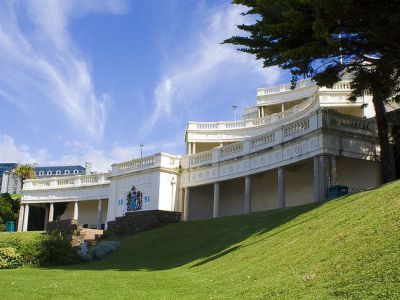
Elliot Terrace was built in 1860 by "Honest John" Pethick, a well-known Victorian property developer who later became Lord Mayor and City Alderman. The building was later acquired by Waldorf Astor in 1908 when he came to Plymouth as a Unionist Parliamentary Candidate.
Waldorf Astor was successful in the 1910 General Election and was re-elected in 1918, but he was forced to surrender his seat in the Commons following the death of his father Viscount Astor. In the resulting by-election, his wife, Nancy, stood and became the MP for Plymouth Sutton in 1919, making her the first woman MP to sit in the Commons.
Waldorf Astor, who was appointed Mayor without being a member of the Council, held the Office between 1939 and 1944 during the war years. He played an instrumental role in bringing together the people to formulate the rebuilding of Plymouth, leading to the production in 1943 of the 'Plan for Plymouth'.
Waldorf Astor passed away in 1952, and Nancy Astor in 1964. Before her death, Nancy gave 3 Elliot Terrace to the City as a residence for future Lord Mayors. Today, the building is used for civic and other hospitality, by visiting dignitaries and circuit judges.
Elliot Terrace is an important part of Plymouth's history, having been associated with some of the city's most influential figures, including the first female MP to sit in the House of Commons.
Waldorf Astor was successful in the 1910 General Election and was re-elected in 1918, but he was forced to surrender his seat in the Commons following the death of his father Viscount Astor. In the resulting by-election, his wife, Nancy, stood and became the MP for Plymouth Sutton in 1919, making her the first woman MP to sit in the Commons.
Waldorf Astor, who was appointed Mayor without being a member of the Council, held the Office between 1939 and 1944 during the war years. He played an instrumental role in bringing together the people to formulate the rebuilding of Plymouth, leading to the production in 1943 of the 'Plan for Plymouth'.
Waldorf Astor passed away in 1952, and Nancy Astor in 1964. Before her death, Nancy gave 3 Elliot Terrace to the City as a residence for future Lord Mayors. Today, the building is used for civic and other hospitality, by visiting dignitaries and circuit judges.
Elliot Terrace is an important part of Plymouth's history, having been associated with some of the city's most influential figures, including the first female MP to sit in the House of Commons.
Want to visit this sight? Check out these Self-Guided Walking Tours in Plymouth. Alternatively, you can download the mobile app "GPSmyCity: Walks in 1K+ Cities" from Apple App Store or Google Play Store. The app turns your mobile device to a personal tour guide and it works offline, so no data plan is needed when traveling abroad.
Download The GPSmyCity App



Elliot Terrace on Map
Sight Name: Elliot Terrace
Sight Location: Plymouth, England (See walking tours in Plymouth)
Sight Type: Attraction/Landmark
Sight Location: Plymouth, England (See walking tours in Plymouth)
Sight Type: Attraction/Landmark
Nearby Sights

Walking Tours in Plymouth, England

Create Your Own Walk in Plymouth
Creating your own self-guided walk in Plymouth is easy and fun. Choose the city attractions that you want to see and a walk route map will be created just for you. You can even set your hotel as the start point of the walk.
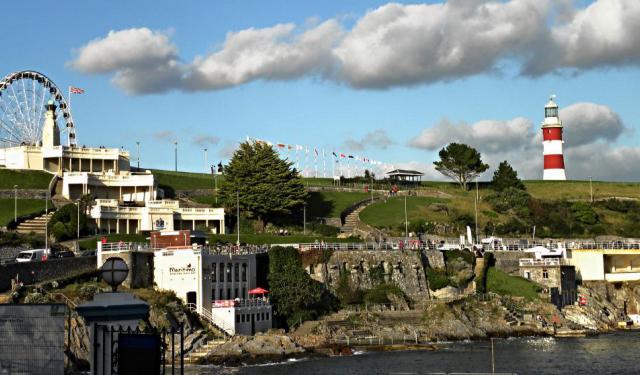
Plymouth Hoe Walking Tour
Plymouth Hoe, referred to locally as the Hoe, is a large south-facing open public space in Plymouth with commanding views of Plymouth Sound, Drake's Island, and further afield into Cornwall. The name derives from the Anglo-Saxon word hoh, which means a sloping ridge shaped like an inverted foot and heel.
This part of town has always been a meeting place, where people would come regularly... view more
Tour Duration: 1 Hour(s)
Travel Distance: 0.7 Km or 0.4 Miles
This part of town has always been a meeting place, where people would come regularly... view more
Tour Duration: 1 Hour(s)
Travel Distance: 0.7 Km or 0.4 Miles

Walking Along Plymouth's Pilgrim Fathers Trail
Back in the early 17th century, a group of English Puritans – nowadays reverently referred to as the Pilgrim Fathers – fled religious persecution in their homeland and established a colony in North America that later became known as Plymouth, Massachusetts. The Pilgrims embarked on their perilous journey across the Atlantic from Plymouth, England in 1620 aboard a ship called the Mayflower,... view more
Tour Duration: 1 Hour(s)
Travel Distance: 0.6 Km or 0.4 Miles
Tour Duration: 1 Hour(s)
Travel Distance: 0.6 Km or 0.4 Miles
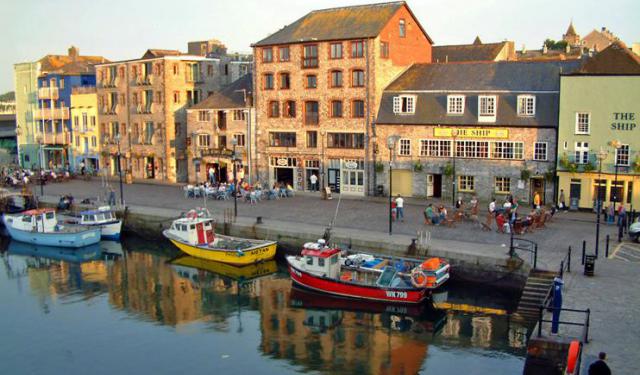
Plymouth Old Town Walking Tour
Plymouth's early history began in the Bronze Age when the first settlement emerged at Mount Batten. It is mentioned in Ptolemy's Geographia as a maritime outpost exporting bronze mirrors.
The settlement was a major port in the southwest of England in Roman times. It was surpassed as a port in the ninth century by the nearby wealthier village of Sutton, later called Plymouth.
... view more
Tour Duration: 1 Hour(s)
Travel Distance: 1.8 Km or 1.1 Miles
The settlement was a major port in the southwest of England in Roman times. It was surpassed as a port in the ninth century by the nearby wealthier village of Sutton, later called Plymouth.
... view more
Tour Duration: 1 Hour(s)
Travel Distance: 1.8 Km or 1.1 Miles