

Friedenskirche (Peace Church), Nuremberg
The Peace Church (Friedenskirche) in Nuremberg is an important historical and architectural landmark located in the Saint Johannis district. This Evangelical Lutheran church was initially planned in 1916 as a memorial for the entire city. Its construction, based on the designs by architect German Bestelmeyer, took place between 1925 and 1928. Tragically, the original structure was destroyed by a fire following a bombing raid in 1944 during the Second World War.
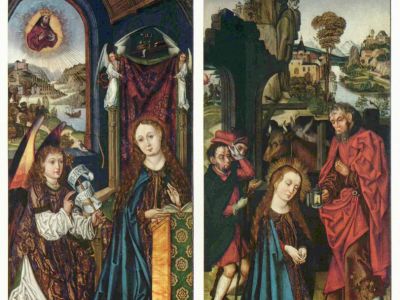
Reconstruction efforts took place between 1950 and 1952, restoring the church while preserving elements of its original design, including the Romanesque style of the entrance portal. Noteworthy within the church is the wide hall, which houses historical pieces from the Holy Cross Pilgrims' Hospital, destroyed in the same war. The choir's altar, crafted by Michael Wolgemut's workshop, originally adorned the Augustinian Church and contributed to the naming of the Peringsdörfer altar.
The church's interior is also renowned for its stained glass windows designed by Adolf Schinnerer in 1928, which add vibrant colors to the choir's main area. Another historical piece, the altar of helpers from the mid-15th century, is located on the south side of the choir.
In front of the church stands a small fountain with Christian symbols, designed by German Bestelmeyer and created in 1928 with figures by Philipp Kittler and cast by the Lenz art foundry.
The organ inside the church, built in 1956 by the organ building company Steinmeyer, features 48 stops on three manuals and pedals, all operated through electric action.
The church's belfry is particularly significant, housing a total of eleven bells in a steel frame, including the Peace Bell, the heaviest Protestant church bell in Bavaria. Weighing around 20.5 tons, the collection of bells in the Peace Church is among the most substantial and melodious in southern Germany, making it a beacon of historical reverence and cultural significance in Nuremberg.
Reconstruction efforts took place between 1950 and 1952, restoring the church while preserving elements of its original design, including the Romanesque style of the entrance portal. Noteworthy within the church is the wide hall, which houses historical pieces from the Holy Cross Pilgrims' Hospital, destroyed in the same war. The choir's altar, crafted by Michael Wolgemut's workshop, originally adorned the Augustinian Church and contributed to the naming of the Peringsdörfer altar.
The church's interior is also renowned for its stained glass windows designed by Adolf Schinnerer in 1928, which add vibrant colors to the choir's main area. Another historical piece, the altar of helpers from the mid-15th century, is located on the south side of the choir.
In front of the church stands a small fountain with Christian symbols, designed by German Bestelmeyer and created in 1928 with figures by Philipp Kittler and cast by the Lenz art foundry.
The organ inside the church, built in 1956 by the organ building company Steinmeyer, features 48 stops on three manuals and pedals, all operated through electric action.
The church's belfry is particularly significant, housing a total of eleven bells in a steel frame, including the Peace Bell, the heaviest Protestant church bell in Bavaria. Weighing around 20.5 tons, the collection of bells in the Peace Church is among the most substantial and melodious in southern Germany, making it a beacon of historical reverence and cultural significance in Nuremberg.
Want to visit this sight? Check out these Self-Guided Walking Tours in Nuremberg. Alternatively, you can download the mobile app "GPSmyCity: Walks in 1K+ Cities" from Apple App Store or Google Play Store. The app turns your mobile device to a personal tour guide and it works offline, so no data plan is needed when traveling abroad.
Download The GPSmyCity App



Friedenskirche (Peace Church) on Map
Sight Name: Friedenskirche (Peace Church)
Sight Location: Nuremberg, Germany (See walking tours in Nuremberg)
Sight Type: Religious
Sight Location: Nuremberg, Germany (See walking tours in Nuremberg)
Sight Type: Religious
Nearby Sights
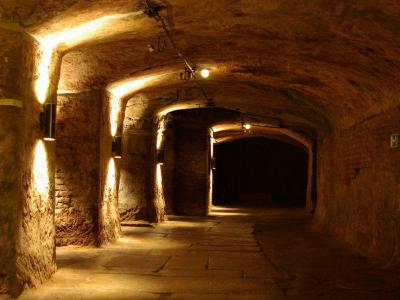
Walking Tours in Nuremberg, Germany

Create Your Own Walk in Nuremberg
Creating your own self-guided walk in Nuremberg is easy and fun. Choose the city attractions that you want to see and a walk route map will be created just for you. You can even set your hotel as the start point of the walk.
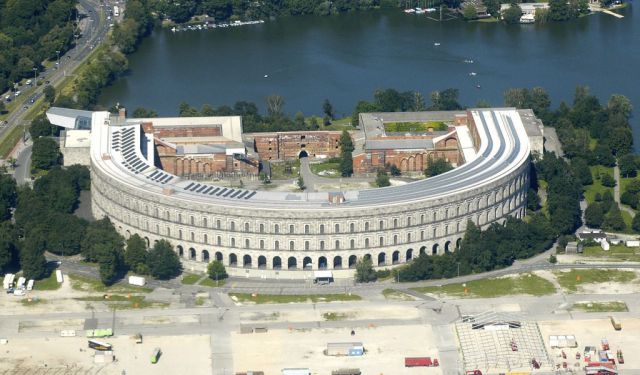
Hitler's Nuremberg Tour
Nuremberg’s association with Adolf Hitler and National Socialism is one of the darkest chapters in the city’s history. Although Nuremberg is known for its medieval architecture and storybook appearance, few German cities are as closely intertwined with the Nazi legacy. Hitler referred to it as the “City of the Party Rallies” and regarded it as a model for the ideal German city.
The... view more
Tour Duration: 2 Hour(s)
Travel Distance: 4.9 Km or 3 Miles
The... view more
Tour Duration: 2 Hour(s)
Travel Distance: 4.9 Km or 3 Miles
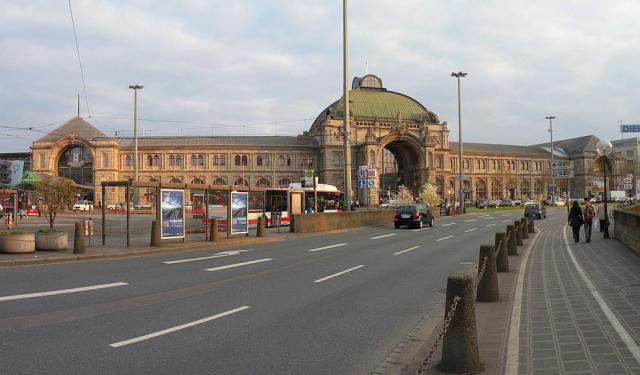
A Walk Through Nuremberg's Historical Old Town
American poet Henry Wadsworth Longfellow described Nuremberg as a “quaint old town of toil and traffic, quaint old town of art and song.”
Nuremberg has witnessed some of the most significant events in German history. For many people, the city is first associated with the rise of the Third Reich, the Nazi Party rallies, and the postwar trials of Nazi leaders. Indeed, Hitler regarded... view more
Tour Duration: 3 Hour(s)
Travel Distance: 3.8 Km or 2.4 Miles
Nuremberg has witnessed some of the most significant events in German history. For many people, the city is first associated with the rise of the Third Reich, the Nazi Party rallies, and the postwar trials of Nazi leaders. Indeed, Hitler regarded... view more
Tour Duration: 3 Hour(s)
Travel Distance: 3.8 Km or 2.4 Miles