


Laleli Mosque, Nicosia
Tucked away in the Abdi Çavuş quarter of North Nicosia’s walled city, Laleli Mosque-literally “the Mosque with Tulips”-is a modest yet historically layered structure located on Ali Ruhi Street. Its poetic name is thought to refer to tulip motifs once adorning its now-lost original minaret.
Originally built as a small medieval chapel, the building’s ecclesiastical roots remain visible in its architecture. Following the Ottoman conquest of Cyprus, it was converted into a small mescit (a mosque without a minaret). It was known in the 18th century as Laleli Cami-i Minareli Mescidi, reflecting the addition of a minaret and its evolving religious role.
A key moment in the mosque's history came in 1827 when Cyprus’s then-governor Ali Ruhi Efendi undertook a significant expansion. He added a new minaret, a minbar, a mihrab, a narthex, and a new ceiling, turning the mescit into a fully functioning mosque. On December 24, 1827, the structure was officially registered as part of the newly established Ali Ruhi Efendi Foundation, tasked with its upkeep.
The surrounding courtyard once hosted a primary school also founded by Ali Ruhi Efendi, though by 1893 it had fallen into disrepair. Renovation work was carried out by local builder Nikolaki Kalla, who added an arch to enlarge the space. In the 1930s, the site functioned briefly as a girls’ sewing school before vanishing from the urban fabric altogether. A marble inscription commemorating Ali Ruhi Efendi once affixed to the school, now resides in the Mevlevi Tekke Museum.
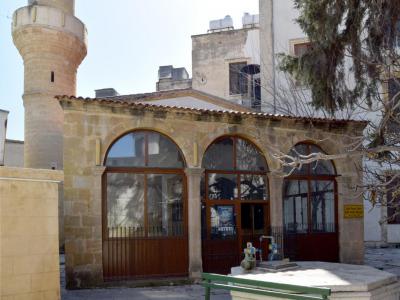
The mosque is set within a walled garden, entered through an arched gate. Its rectangular structure (12.85 x 3.30 meters) features a northern narthex with three pointed arches, leading to a prayer hall marked by an 1827 inscription honoring Ali Ruhi Efendi. The eastern apse reflects its chapel origins, while the mihrab bears floral motifs and a wooden women's section occupies the west side. In the garden stands a marble fountain built in 1826–27 by Ali Ruhi Efendi in memory of his mother.
Originally built as a small medieval chapel, the building’s ecclesiastical roots remain visible in its architecture. Following the Ottoman conquest of Cyprus, it was converted into a small mescit (a mosque without a minaret). It was known in the 18th century as Laleli Cami-i Minareli Mescidi, reflecting the addition of a minaret and its evolving religious role.
A key moment in the mosque's history came in 1827 when Cyprus’s then-governor Ali Ruhi Efendi undertook a significant expansion. He added a new minaret, a minbar, a mihrab, a narthex, and a new ceiling, turning the mescit into a fully functioning mosque. On December 24, 1827, the structure was officially registered as part of the newly established Ali Ruhi Efendi Foundation, tasked with its upkeep.
The surrounding courtyard once hosted a primary school also founded by Ali Ruhi Efendi, though by 1893 it had fallen into disrepair. Renovation work was carried out by local builder Nikolaki Kalla, who added an arch to enlarge the space. In the 1930s, the site functioned briefly as a girls’ sewing school before vanishing from the urban fabric altogether. A marble inscription commemorating Ali Ruhi Efendi once affixed to the school, now resides in the Mevlevi Tekke Museum.
The mosque is set within a walled garden, entered through an arched gate. Its rectangular structure (12.85 x 3.30 meters) features a northern narthex with three pointed arches, leading to a prayer hall marked by an 1827 inscription honoring Ali Ruhi Efendi. The eastern apse reflects its chapel origins, while the mihrab bears floral motifs and a wooden women's section occupies the west side. In the garden stands a marble fountain built in 1826–27 by Ali Ruhi Efendi in memory of his mother.
Want to visit this sight? Check out these Self-Guided Walking Tours in Nicosia. Alternatively, you can download the mobile app "GPSmyCity: Walks in 1K+ Cities" from Apple App Store or Google Play Store. The app turns your mobile device to a personal tour guide and it works offline, so no data plan is needed when traveling abroad.
Download The GPSmyCity App



Laleli Mosque on Map
Sight Name: Laleli Mosque
Sight Location: Nicosia, Cyprus (See walking tours in Nicosia)
Sight Type: Religious
Sight Location: Nicosia, Cyprus (See walking tours in Nicosia)
Sight Type: Religious
Nearby Sights
Walking Tours in Nicosia, Cyprus

Create Your Own Walk in Nicosia
Creating your own self-guided walk in Nicosia is easy and fun. Choose the city attractions that you want to see and a walk route map will be created just for you. You can even set your hotel as the start point of the walk.
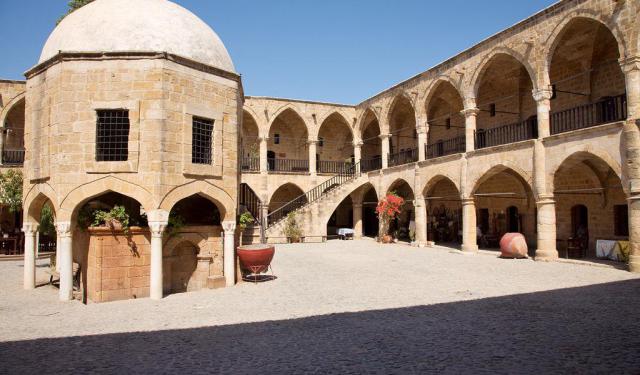
Turkish Old Town Walking Tour
Nicosia wasn't always Nicosia. It was originally called Leukosia. In Greek mythology Leukosia was a siren, a daughter of Achelous, a river god, and Melpomene, Muse of Tragedy. They had several daughters, Leukosia was one.
Others say the first settlers were Achaean veterans of the Trojan War. They appeared on the plain of Mesaoria by the river Pedieos in 2,500 BC. They formed the city... view more
Tour Duration: 2 Hour(s)
Travel Distance: 2.2 Km or 1.4 Miles
Others say the first settlers were Achaean veterans of the Trojan War. They appeared on the plain of Mesaoria by the river Pedieos in 2,500 BC. They formed the city... view more
Tour Duration: 2 Hour(s)
Travel Distance: 2.2 Km or 1.4 Miles
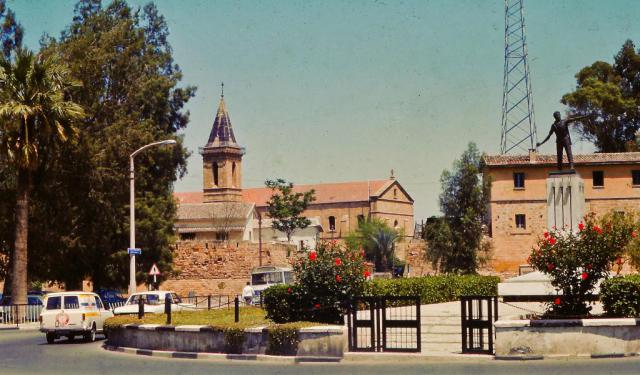
Greek Old Town Walking Tour
Nicosia is Cyprus’s capital and its largest city. It is Europe’s last divided capital, with Turkish Cypriots living on the north side and Greek Cypriots living on the south side.
Nicosia has been continuously occupied for over 4,500 years and has been Cyprus's capital for over 1,000 years. It has a turbulent political history, and the Franks, Venetians, Ottomans, and British have... view more
Tour Duration: 2 Hour(s)
Travel Distance: 3.0 Km or 1.9 Miles
Nicosia has been continuously occupied for over 4,500 years and has been Cyprus's capital for over 1,000 years. It has a turbulent political history, and the Franks, Venetians, Ottomans, and British have... view more
Tour Duration: 2 Hour(s)
Travel Distance: 3.0 Km or 1.9 Miles
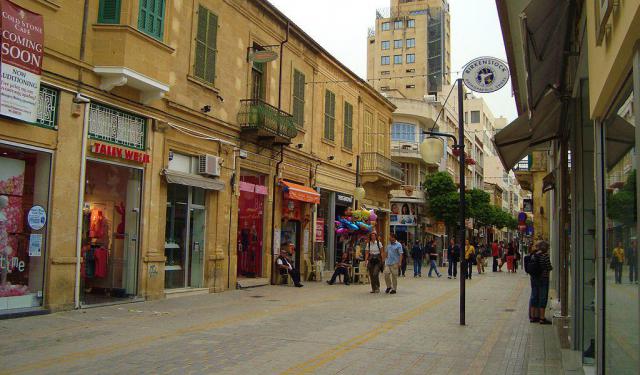
Nicosia Shopping Tour
There's probably no better shopping destination for tourists in Cyprus than Nicosia. Indeed, the country's exotic capital offers a vibrant mix of traditional markets and modern fashionable shops, catering to diverse tastes and preferences.
One of the must-visit spots is Bandabuliya Municipal Market, also known as Belediye Pazarı. Here, you can immerse yourself in the bustling... view more
Tour Duration: 1 Hour(s)
Travel Distance: 2.2 Km or 1.4 Miles
One of the must-visit spots is Bandabuliya Municipal Market, also known as Belediye Pazarı. Here, you can immerse yourself in the bustling... view more
Tour Duration: 1 Hour(s)
Travel Distance: 2.2 Km or 1.4 Miles