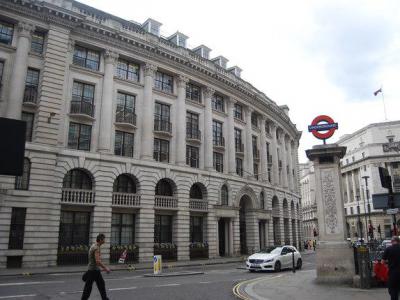


Lombard Street (Dickens-era site), London
Lombard Street in London may sound like the setting for a high-stakes banker drama-and honestly, it kind of is. Situated just off Bank Junction in the City of London, this narrow, unassuming street has been the powerhouse of British finance for centuries. Presently home to many financial institutions and an affluent residential area, the locale has a notable history.
Its name comes from the Lombards, a group of enterprising merchants from northern Italy who settled in London during the medieval period. These guys basically brought European banking to England in the 13th century-a sort of fintech startups of the Middle Ages, but in velvet robes. The street became home to goldsmiths, insurers, and bankers, many of whom marked their premises not with addresses (those weren’t a thing yet) but with swinging signs-like “The Grasshopper” for Sir Thomas Gresham’s shop, who later founded the Royal Exchange.
By the 17th century, Lombard Street was the “Wall Street” of its day. Banks like Barclays have their roots here. And at 1 Lombard Street, in the 1800s, stood the very respectable Smith, Payne & Smiths Bank. The manager, George Beadnell, lived next door, and in 1831, he threw a dinner party that would change the course of literary crushes forever.
Among the guests was a 19-year-old Charles Dickens-ambitious, dreamy, and hopelessly smitten with Beadnell’s third daughter, Maria. He described his infatuation as being like a “captured butterfly” pinned to her dress. Romantic? Definitely. Slightly unhinged? Also yes. Dickens would apparently walk the street at night just to gaze longingly at the house where Maria slept. This went on for four years-until she returned from abroad and ended their relationship with all the grace of a Regency breakup.
But Dickens didn’t let it go. Oh no. Maria would later live on in his fiction-as sweet, shallow Dora Spenlow in David Copperfield. Years later, in 1855, she resurfaced in real life as Mrs. Winter, reaching out to Dickens for a meeting. Anticipation ran high, but Dickens was profoundly disappointed, finding Maria "toothless, fat, old and ugly". This, in turn, prompted him to portray her as the slightly ridiculous Flora Finching in Little Dorrit. Life imitating art… or maybe revenge in prose.
Oh, and The Posthumous Papers of the Pickwick Club (more commonly known as The Pickwick Papers)-Dickens’ debut novel-it features the George and Vulture inn right here on Lombard Street. Because why not immortalize the place where you once got emotionally wrecked?
Its name comes from the Lombards, a group of enterprising merchants from northern Italy who settled in London during the medieval period. These guys basically brought European banking to England in the 13th century-a sort of fintech startups of the Middle Ages, but in velvet robes. The street became home to goldsmiths, insurers, and bankers, many of whom marked their premises not with addresses (those weren’t a thing yet) but with swinging signs-like “The Grasshopper” for Sir Thomas Gresham’s shop, who later founded the Royal Exchange.
By the 17th century, Lombard Street was the “Wall Street” of its day. Banks like Barclays have their roots here. And at 1 Lombard Street, in the 1800s, stood the very respectable Smith, Payne & Smiths Bank. The manager, George Beadnell, lived next door, and in 1831, he threw a dinner party that would change the course of literary crushes forever.
Among the guests was a 19-year-old Charles Dickens-ambitious, dreamy, and hopelessly smitten with Beadnell’s third daughter, Maria. He described his infatuation as being like a “captured butterfly” pinned to her dress. Romantic? Definitely. Slightly unhinged? Also yes. Dickens would apparently walk the street at night just to gaze longingly at the house where Maria slept. This went on for four years-until she returned from abroad and ended their relationship with all the grace of a Regency breakup.
But Dickens didn’t let it go. Oh no. Maria would later live on in his fiction-as sweet, shallow Dora Spenlow in David Copperfield. Years later, in 1855, she resurfaced in real life as Mrs. Winter, reaching out to Dickens for a meeting. Anticipation ran high, but Dickens was profoundly disappointed, finding Maria "toothless, fat, old and ugly". This, in turn, prompted him to portray her as the slightly ridiculous Flora Finching in Little Dorrit. Life imitating art… or maybe revenge in prose.
Oh, and The Posthumous Papers of the Pickwick Club (more commonly known as The Pickwick Papers)-Dickens’ debut novel-it features the George and Vulture inn right here on Lombard Street. Because why not immortalize the place where you once got emotionally wrecked?
Want to visit this sight? Check out these Self-Guided Walking Tours in London. Alternatively, you can download the mobile app "GPSmyCity: Walks in 1K+ Cities" from Apple App Store or Google Play Store. The app turns your mobile device to a personal tour guide and it works offline, so no data plan is needed when traveling abroad.
Download The GPSmyCity App



Lombard Street (Dickens-era site) on Map
Sight Name: Lombard Street (Dickens-era site)
Sight Location: London, England (See walking tours in London)
Sight Type: Attraction/Landmark
Guide(s) Containing This Sight:
Sight Location: London, England (See walking tours in London)
Sight Type: Attraction/Landmark
Guide(s) Containing This Sight:
Nearby Sights
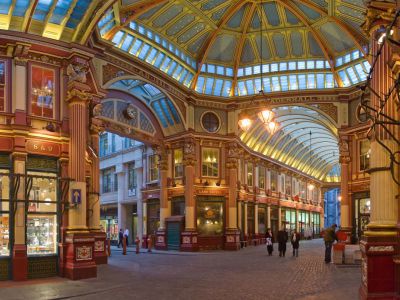
Walking Tours in London, England

Create Your Own Walk in London
Creating your own self-guided walk in London is easy and fun. Choose the city attractions that you want to see and a walk route map will be created just for you. You can even set your hotel as the start point of the walk.
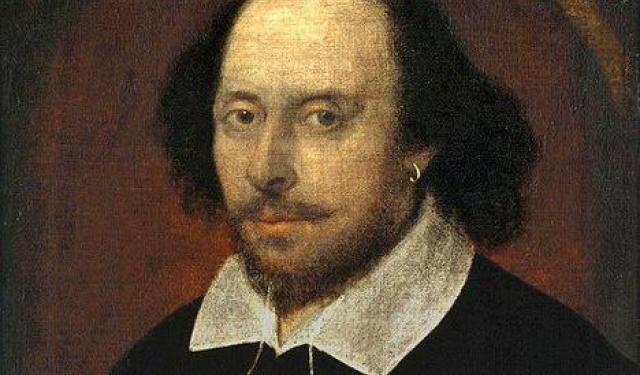
Shakespeare's London Walking Tour
You might know him as “the Bard,” but to England, William Shakespeare is practically the patron saint of poetic plot twists. Born in 1564 in Stratford-upon-Avon to John Shakespeare, a glove maker and town official, and Mary Arden from a prosperous farming family, young William started life with ink in his veins and Latin on his mind. Grammar school likely gave him his first taste of rhetoric.... view more
Tour Duration: 3 Hours
Travel Distance: 4.7 Km or 2.9 Miles
Tour Duration: 3 Hours
Travel Distance: 4.7 Km or 2.9 Miles
London's Historic Pubs Walk
If there’s any more iconic symbol for London than Big Ben or the London Eye, then it must be the traditional English pub. And London sure is full of them, dating from pre-Victorian times to just about five minutes ago.
With so much history surrounding London there is no shortage of historic pubs to choose from. Whether you fancy half-timbered, rambling watering holes or small but perfectly... view more
Tour Duration: 3 Hours
Travel Distance: 5.6 Km or 3.5 Miles
With so much history surrounding London there is no shortage of historic pubs to choose from. Whether you fancy half-timbered, rambling watering holes or small but perfectly... view more
Tour Duration: 3 Hours
Travel Distance: 5.6 Km or 3.5 Miles
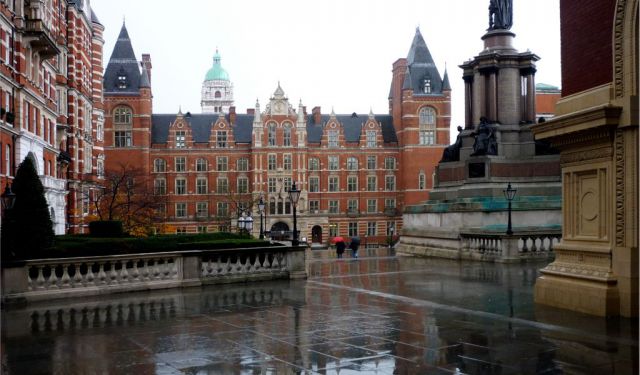
Kensington/Knightsbridge Walking Tour
Situated just below Hyde Park, Knightsbridge and South Kensington are two adjacent neighborhoods with grand Victorian homes and leafy garden squares. Home to London’s most expensive homes, Knightsbridge has some of the highest density of millionaires in the world. This is clearly reflected in the selection of stores & restaurants in the area, including the famous Harvey Nichols and Harrods... view more
Tour Duration: 2 Hours
Travel Distance: 4.5 Km or 2.8 Miles
Tour Duration: 2 Hours
Travel Distance: 4.5 Km or 2.8 Miles
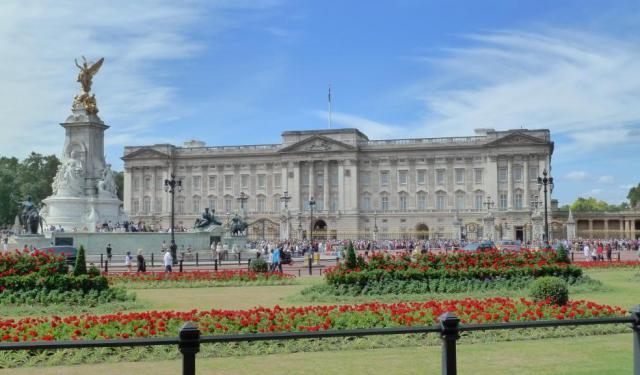
Walk around Buckingham Palace
Buckingham Palace, the British monarch's official residence, is a must-see for anyone visiting London, but so are the adjacent royal establishments that give a unique window into the royal way of life. On this self-guided walking tour, along with Buckingham Palace and its memorable fountain, you will visit the St. James's private royal residence, the wonderful Queen's Gallery, and... view more
Tour Duration: 1 Hour
Travel Distance: 2.3 Km or 1.4 Miles
Tour Duration: 1 Hour
Travel Distance: 2.3 Km or 1.4 Miles
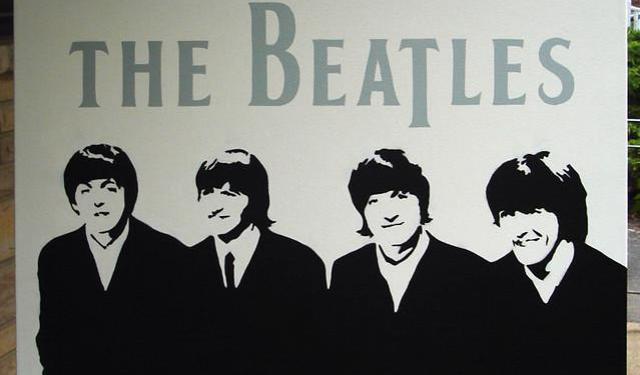
Beatles London Walking Tour
The Beatles, often hailed as one of the most influential bands in music history, began their journey in Liverpool in 1960, but it was in London that they truly became global icons. While Liverpool gave them their start, the British capital became their professional playground during the peak of Beatlemania. From recording sessions and business deals to public performances and personal milestones,... view more
Tour Duration: 3 Hours
Travel Distance: 4.8 Km or 3 Miles
Tour Duration: 3 Hours
Travel Distance: 4.8 Km or 3 Miles
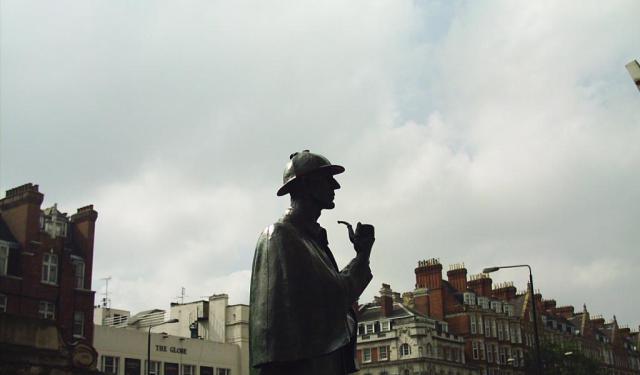
Sherlock Holmes Tour in London
Among a myriad of other, real-life celebrities who have ever called London their home, perhaps the most famous is the fictional consulting detective, Sherlock Holmes, created by Conan Doyle. Indeed, the ingenious sleuth has left an indelible mark on the literary and cultural landscape of London ever since the appearance of the first stories about him in the late 1880s. Years on, there are several... view more
Tour Duration: 1 Hour
Travel Distance: 2.3 Km or 1.4 Miles
Tour Duration: 1 Hour
Travel Distance: 2.3 Km or 1.4 Miles
Useful Travel Guides for Planning Your Trip
London Souvenirs: 18 Distinctively British Products for Travelers
Most visitors to London consider shopping as part of their must-do London experience. From street markets to Victorian arcades to snobbish Sloane Square to busy Oxford Street, there are a host of shops selling items which typically represent this vibrant city. Whether you are shopping for souvenirs...