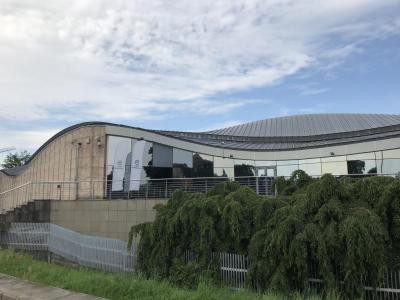


Manggha, Krakow
Situated atop the Wawel Hill, the Manggha is a museum with a dedicated focus on Japanese art, literature, and technology. Its inception dates back to 1994, and ever since then, the Manggha has remained a integral part of the National Museum of Krakow.
Over the passage of time, the Manggha has garnered a reputation that extends beyond being merely a museum; it has evolved into a thriving cultural hub. Distinguishing itself from traditional museums, the Manggha's mission transcends the mere presentation of valuable artifacts from a civilization's history. Instead, it actively engages in comprehensive educational endeavors, striving to transform into an institution that facilitates comprehension and advancement of the arts. Through an array of lectures, artistic courses, and inclusive classes catering to individuals from diverse backgrounds, the Manggha emerges as a unique establishment that redefines the conventional notion of a museum.
Conceived through the joint efforts of Andrzej Wajda and Krystyna Zachwatowicz, the origins of Manggha can be traced back to the visionary Feliks Asienski, fondly known as Manggha. Stemming from a prosperous family of landowners, Feliks Asienski gained recognition as a Polish critic and an avid art collector. His extensive assemblage predominantly consisted of art and craftsmanship from the Far East, which he exhibited in Warsaw, Lviv, and Krakow. Subsequent to his passing, this remarkable collection found a home within the National Museum of Krakow, where it now takes pride of place within the Manggha's exhibition.
Over the passage of time, the Manggha has garnered a reputation that extends beyond being merely a museum; it has evolved into a thriving cultural hub. Distinguishing itself from traditional museums, the Manggha's mission transcends the mere presentation of valuable artifacts from a civilization's history. Instead, it actively engages in comprehensive educational endeavors, striving to transform into an institution that facilitates comprehension and advancement of the arts. Through an array of lectures, artistic courses, and inclusive classes catering to individuals from diverse backgrounds, the Manggha emerges as a unique establishment that redefines the conventional notion of a museum.
Conceived through the joint efforts of Andrzej Wajda and Krystyna Zachwatowicz, the origins of Manggha can be traced back to the visionary Feliks Asienski, fondly known as Manggha. Stemming from a prosperous family of landowners, Feliks Asienski gained recognition as a Polish critic and an avid art collector. His extensive assemblage predominantly consisted of art and craftsmanship from the Far East, which he exhibited in Warsaw, Lviv, and Krakow. Subsequent to his passing, this remarkable collection found a home within the National Museum of Krakow, where it now takes pride of place within the Manggha's exhibition.
Want to visit this sight? Check out these Self-Guided Walking Tours in Krakow. Alternatively, you can download the mobile app "GPSmyCity: Walks in 1K+ Cities" from Apple App Store or Google Play Store. The app turns your mobile device to a personal tour guide and it works offline, so no data plan is needed when traveling abroad.
Download The GPSmyCity App



Manggha on Map
Sight Name: Manggha
Sight Location: Krakow, Poland (See walking tours in Krakow)
Sight Type: Museum/Gallery
Sight Location: Krakow, Poland (See walking tours in Krakow)
Sight Type: Museum/Gallery
Nearby Sights

Walking Tours in Krakow, Poland

Create Your Own Walk in Krakow
Creating your own self-guided walk in Krakow is easy and fun. Choose the city attractions that you want to see and a walk route map will be created just for you. You can even set your hotel as the start point of the walk.
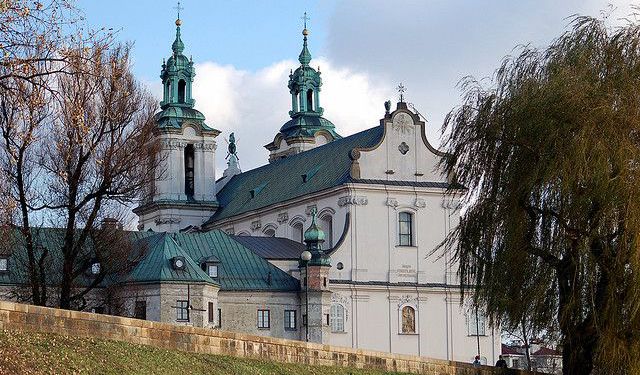
Historical Churches Walking Tour
Krakow, the center of religious life in Poland, was once considered “the Northern Rome” for its multitude of churches. Alongside the new temples continuing to appear in the city today, these remarkable sanctuaries, holding deep historical and cultural significance, still remain the most attractive and interesting to look at.
By far the most iconic of these is the Basilica of Saint Mary. A... view more
Tour Duration: 1 Hour(s)
Travel Distance: 2.2 Km or 1.4 Miles
By far the most iconic of these is the Basilica of Saint Mary. A... view more
Tour Duration: 1 Hour(s)
Travel Distance: 2.2 Km or 1.4 Miles
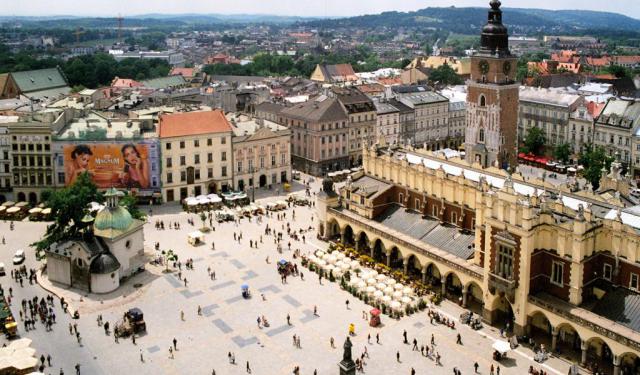
Krakow Old Town Walking Tour
“Kraków has shaped me more than any other place on Earth.” These words from Pope John Paul II brought the city into the global limelight.
The city's name is traditionally linked to Krak, or Krakus, a legendary ruler said to have founded the city after defeating a dragon beneath Wawel Hill. Though the tale is mythological, the name itself derives from this early Slavic personal name,... view more
Tour Duration: 2 Hour(s)
Travel Distance: 3.3 Km or 2.1 Miles
The city's name is traditionally linked to Krak, or Krakus, a legendary ruler said to have founded the city after defeating a dragon beneath Wawel Hill. Though the tale is mythological, the name itself derives from this early Slavic personal name,... view more
Tour Duration: 2 Hour(s)
Travel Distance: 3.3 Km or 2.1 Miles
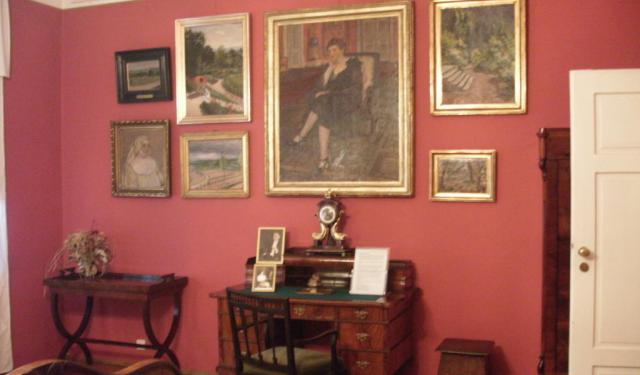
Historical House Museums Tour
Well-preserved historical buildings can often tell the stories of their city more vividly than any history book. Krakow, the old capital and cultural center of Poland, for many years, has been the home of many important Poles. Today, their former residences have been converted into house museums where visitors can learn about their inhabitants and see what life was like in the past.
One such... view more
Tour Duration: 1 Hour(s)
Travel Distance: 2.0 Km or 1.2 Miles
One such... view more
Tour Duration: 1 Hour(s)
Travel Distance: 2.0 Km or 1.2 Miles
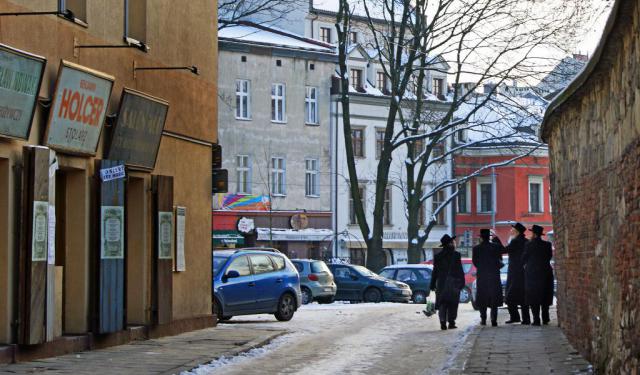
Jewish Heritage Tour in Krakow
The history of Kraków’s Jewish community stands among the most significant chapters of Jewish life in Central Europe. Jews first settled in Kraków in the 13th century, drawn by the city’s expanding trade networks and by greater tolerance compared to other European regions. Early Jewish residents lived mainly around what is today the Old Town and enjoyed a degree of royal protection. However,... view more
Tour Duration: 2 Hour(s)
Travel Distance: 3.0 Km or 1.9 Miles
Tour Duration: 2 Hour(s)
Travel Distance: 3.0 Km or 1.9 Miles