

Medinet Habu, Luxor (must see)
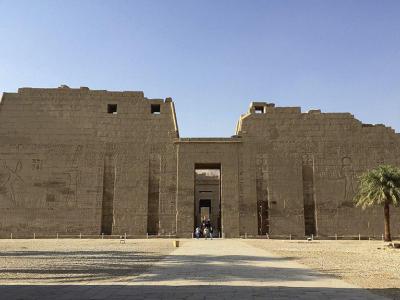
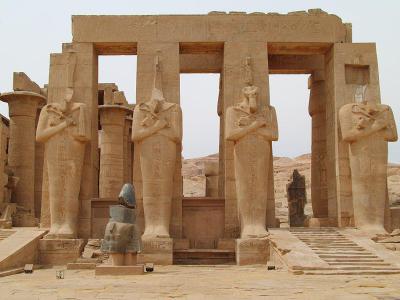
Medinet Habu is one of the best-preserved temple complexes from ancient Egypt and served as the mortuary temple of Pharaoh Ramesses III. Built during the 12th century BCE, the complex was designed as a place where rituals honoring the king and the gods would continue after the pharaoh’s death. Medinet Habu offers a clear view of New Kingdom architecture, religion, and royal power, enclosed by walls that give it the feel of a fortified sacred complex.
The temple is especially known for its extensive relief carvings, which cover walls, columns, and gateways throughout the complex. These scenes record important events from the reign of Ramesses III, including battles against the Sea Peoples, a coalition of groups that threatened Egypt during the Late Bronze Age. The military scenes show ships, weapons, prisoners, and victory rituals. Other reliefs depict offerings, religious ceremonies, and festivals from Ramesses III’s reign.
One unusual feature is the large entrance structure known as a migdol, a fortified gateway inspired by military architecture from the Near East. Beyond it lie spacious courtyards, hypostyle halls, chapels, and sanctuaries decorated with inscriptions and images that preserve traces of their original colors. Later, the complex also served as an administrative center and refuge during unstable periods.
Visitors can also see remains from later periods of Egyptian history. Parts of the complex were reused during the Third Intermediate Period, and traces of Christian occupation remain visible in some areas, where ancient images were altered and adapted for new religious purposes. Together, its monuments reveal long-term changes in religion, politics, and daily life in ancient Egypt.
The temple is especially known for its extensive relief carvings, which cover walls, columns, and gateways throughout the complex. These scenes record important events from the reign of Ramesses III, including battles against the Sea Peoples, a coalition of groups that threatened Egypt during the Late Bronze Age. The military scenes show ships, weapons, prisoners, and victory rituals. Other reliefs depict offerings, religious ceremonies, and festivals from Ramesses III’s reign.
One unusual feature is the large entrance structure known as a migdol, a fortified gateway inspired by military architecture from the Near East. Beyond it lie spacious courtyards, hypostyle halls, chapels, and sanctuaries decorated with inscriptions and images that preserve traces of their original colors. Later, the complex also served as an administrative center and refuge during unstable periods.
Visitors can also see remains from later periods of Egyptian history. Parts of the complex were reused during the Third Intermediate Period, and traces of Christian occupation remain visible in some areas, where ancient images were altered and adapted for new religious purposes. Together, its monuments reveal long-term changes in religion, politics, and daily life in ancient Egypt.
Want to visit this sight? Check out these Self-Guided Walking Tours in Luxor. Alternatively, you can download the mobile app "GPSmyCity: Walks in 1K+ Cities" from Apple App Store or Google Play Store. The app turns your mobile device to a personal tour guide and it works offline, so no data plan is needed when traveling abroad.
Download The GPSmyCity App



Medinet Habu on Map
Sight Name: Medinet Habu
Sight Location: Luxor, Egypt (See walking tours in Luxor)
Sight Type: Attraction/Landmark
Guide(s) Containing This Sight:
Sight Location: Luxor, Egypt (See walking tours in Luxor)
Sight Type: Attraction/Landmark
Guide(s) Containing This Sight:
Nearby Sights
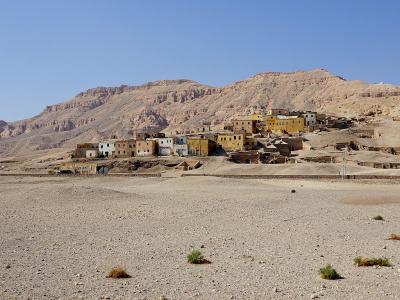
Walking Tours in Luxor, Egypt

Create Your Own Walk in Luxor
Creating your own self-guided walk in Luxor is easy and fun. Choose the city attractions that you want to see and a walk route map will be created just for you. You can even set your hotel as the start point of the walk.
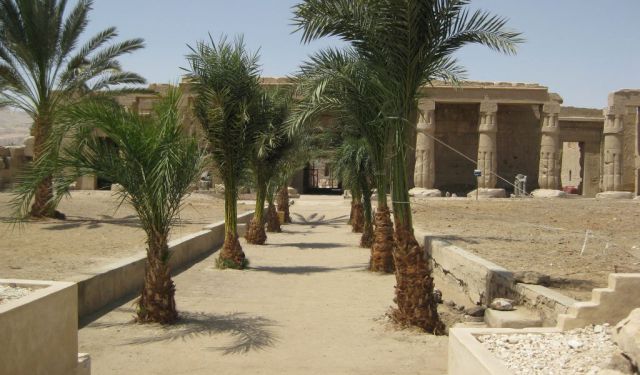
Luxor Archaeology Tour Part 2
The West Bank area of Luxor - located across the River Nile from the modern city itself - is a true archaeological paradise full of must-see sights for any visitor. There are a number of ancient Egyptian pharaoh tombs, necropolises and temples here, dating from the time of the ancient city of Thebes. Take our walking tour to see all the best sights in the area.
Tour Duration: 2 Hour(s)
Travel Distance: 3.9 Km or 2.4 Miles
Tour Duration: 2 Hour(s)
Travel Distance: 3.9 Km or 2.4 Miles
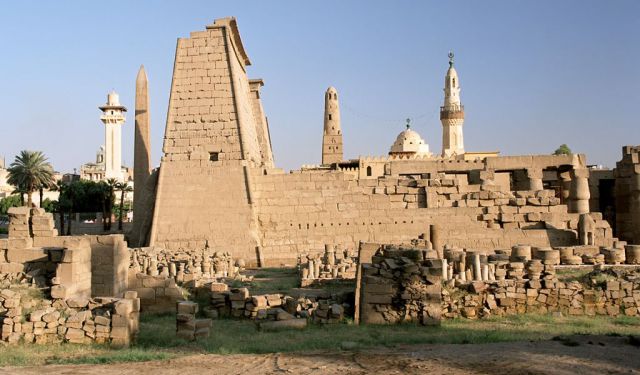
Luxor East Bank Walking Tour
The East Bank area is located in the heart of Luxor city. It has plenty of top sights including wonderful working temples and museums, such as the Luxor Temple, the Karnak Temple Complex, the Luxor Museum and the Mummification Museum. Take our tour to experience the beauty of Luxor’s East Bank district.
Tour Duration: 2 Hour(s)
Travel Distance: 4.7 Km or 2.9 Miles
Tour Duration: 2 Hour(s)
Travel Distance: 4.7 Km or 2.9 Miles
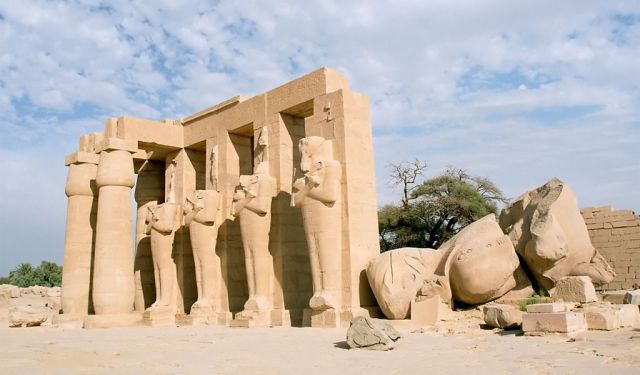
Luxor Archaeology Tour Part 1
The Theban necropolis area - located in Upper Egypt, across the River Nile from the modern city of Luxor - is considered to be one of the most significant archaeological sites in the world. You will be amazed by the many splendid temples, tombs and other historic attractions in this area, which is now known as Luxor's West Bank. The ruins of the Workers Village, the Colossi of Memnon, and... view more
Tour Duration: 3 Hour(s)
Travel Distance: 6.5 Km or 4 Miles
Tour Duration: 3 Hour(s)
Travel Distance: 6.5 Km or 4 Miles