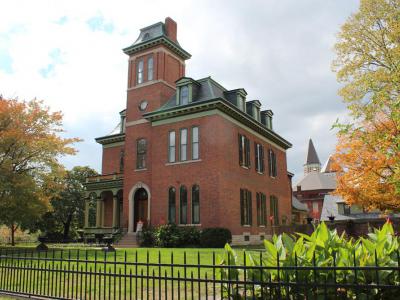


Morris-Butler House Museum, Indianapolis
The Morris-Butler House, an elegant example of Second Empire architecture, was built around 1864 in what is now the Old Northside Historic District of Indianapolis. Distinguished by its French mansard roof, four-story tower, and red brick exterior, the house stands as a testament to 19th-century design and craftsmanship. The 46-by-71-foot property features a cellar, attic, service area connected to a summer kitchen, a carriage house with living quarters, and a landscaped lot enclosed by a reproduction metal fence, radiating Victorian charm.
Constructed for businessman John D. Morris, the house changed hands in 1878 when it was purchased by Noble Chase Butler, a prominent bankruptcy lawyer. The Butler family, including Noble's daughter Florence, resided in the home until 1957. Over the decades, the neighborhood experienced significant decline, and by the late 1950s, the house had fallen into disrepair, serving briefly as an artist's studio and apartments.
In 1963, the Morris-Butler House was saved from demolition by Indiana Landmarks with funding from philanthropist Eli Lilly, whose ties to the area and friendship with Florence Butler inspired his support. Architect H. Roll McLaughlin oversaw its restoration, including structural repairs and a new slate roof. The house opened as a museum in 1969, featuring Victorian and Post-Victorian furnishings, including a Wooton desk and art by Jacob Cox.
Indiana Landmarks initially operated the house as a historic home and decorative arts museum, hosting tours, educational events, and cultural programs. The house was added to the National Register of Historic Places in 1972, cementing its status as a significant historical landmark. In 2013, the property underwent a refurbishment and transitioned from a museum to a venue for Indiana Landmarks programs, special events, and private rentals. Its unique blend of architectural beauty and cultural significance continues to draw admiration, even as it adapts to modern uses.
Constructed for businessman John D. Morris, the house changed hands in 1878 when it was purchased by Noble Chase Butler, a prominent bankruptcy lawyer. The Butler family, including Noble's daughter Florence, resided in the home until 1957. Over the decades, the neighborhood experienced significant decline, and by the late 1950s, the house had fallen into disrepair, serving briefly as an artist's studio and apartments.
In 1963, the Morris-Butler House was saved from demolition by Indiana Landmarks with funding from philanthropist Eli Lilly, whose ties to the area and friendship with Florence Butler inspired his support. Architect H. Roll McLaughlin oversaw its restoration, including structural repairs and a new slate roof. The house opened as a museum in 1969, featuring Victorian and Post-Victorian furnishings, including a Wooton desk and art by Jacob Cox.
Indiana Landmarks initially operated the house as a historic home and decorative arts museum, hosting tours, educational events, and cultural programs. The house was added to the National Register of Historic Places in 1972, cementing its status as a significant historical landmark. In 2013, the property underwent a refurbishment and transitioned from a museum to a venue for Indiana Landmarks programs, special events, and private rentals. Its unique blend of architectural beauty and cultural significance continues to draw admiration, even as it adapts to modern uses.
Want to visit this sight? Check out these Self-Guided Walking Tours in Indianapolis. Alternatively, you can download the mobile app "GPSmyCity: Walks in 1K+ Cities" from Apple App Store or Google Play Store. The app turns your mobile device to a personal tour guide and it works offline, so no data plan is needed when traveling abroad.
Download The GPSmyCity App



Morris-Butler House Museum on Map
Sight Name: Morris-Butler House Museum
Sight Location: Indianapolis, USA (See walking tours in Indianapolis)
Sight Type: Museum/Gallery
Sight Location: Indianapolis, USA (See walking tours in Indianapolis)
Sight Type: Museum/Gallery
Nearby Sights


Walking Tours in Indianapolis, Indiana

Create Your Own Walk in Indianapolis
Creating your own self-guided walk in Indianapolis is easy and fun. Choose the city attractions that you want to see and a walk route map will be created just for you. You can even set your hotel as the start point of the walk.
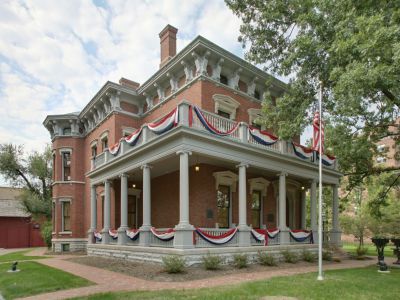
Explore Indianapolis' Architectural Jewels on Foot
A number of unique constructions found throughout Indianapolis have given the city its inimitable identity. Many of them are registered on the National Register of Historic Places.
Some of the best local buildings are situated along the diagonal avenues coming from Mile Square, as per the city plan laid out in 1821 by Scottish-born architect Alexander Ralston (the one who participated in laying... view more
Tour Duration: 2 Hour(s)
Travel Distance: 4.6 Km or 2.9 Miles
Some of the best local buildings are situated along the diagonal avenues coming from Mile Square, as per the city plan laid out in 1821 by Scottish-born architect Alexander Ralston (the one who participated in laying... view more
Tour Duration: 2 Hour(s)
Travel Distance: 4.6 Km or 2.9 Miles
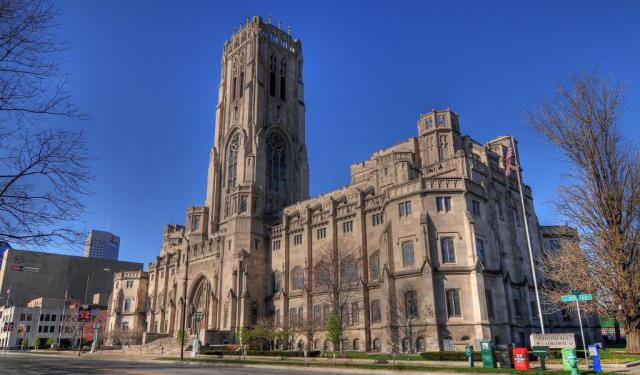
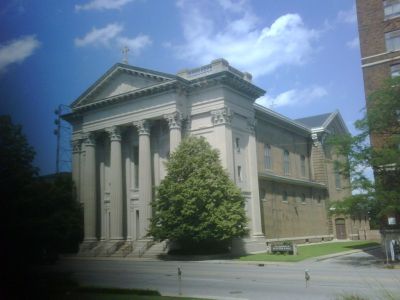
A Walking Guide To Indianopolis' Historical Churches
The rich history of Indianapolis is reflected, among other things, in the extensive collection of historical churches. Throughout decades, these sacred landmarks have influenced the social geography of the city and today serve as symbols of the city's cultural and architectural heritage.
One such is the Scottish Rite Cathedral, a prominent example of Neo-Gothic style, known for its... view more
Tour Duration: 1 Hour(s)
Travel Distance: 2.8 Km or 1.7 Miles
One such is the Scottish Rite Cathedral, a prominent example of Neo-Gothic style, known for its... view more
Tour Duration: 1 Hour(s)
Travel Distance: 2.8 Km or 1.7 Miles
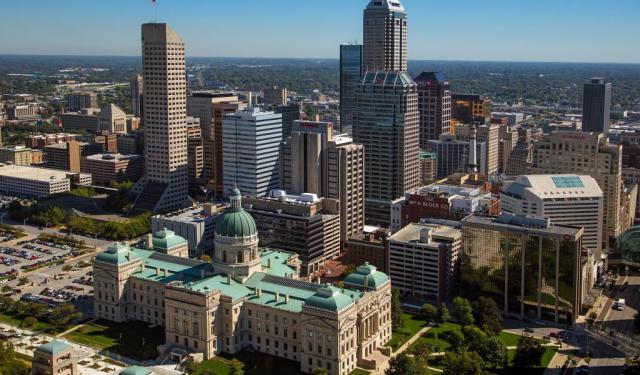
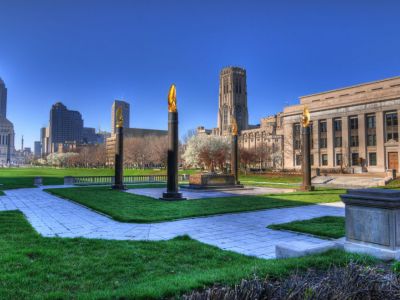
Indianapolis Downtown Walking Tour
The "Crossroads of America", Indianapolis (or Indy for short) is the capital of the US state of Indiana and the heart of the American Midwest.
The Indigenous people had lived in this area since as early as 10,000 BC before they relinquished their tribal land to the United States, in the Treaty of Saint Mary's, in 1818. The Eiteljorg Museum of American Indians and Western Art in... view more
Tour Duration: 2 Hour(s)
Travel Distance: 4.5 Km or 2.8 Miles
The Indigenous people had lived in this area since as early as 10,000 BC before they relinquished their tribal land to the United States, in the Treaty of Saint Mary's, in 1818. The Eiteljorg Museum of American Indians and Western Art in... view more
Tour Duration: 2 Hour(s)
Travel Distance: 4.5 Km or 2.8 Miles