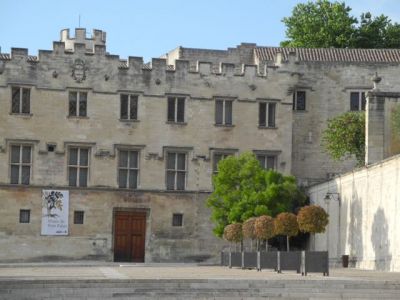


Musée du Petit Palais (Little Palace Museum), Avignon (must see)
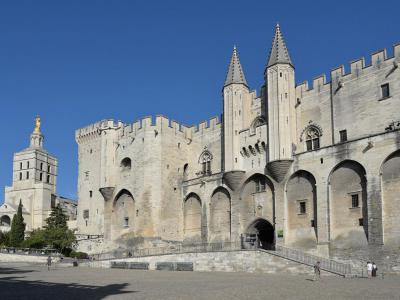
Standing on the northern side of Palace of the Popes Square, directly opposite the imposing Palace of the Popes, the Little Palace Museum is housed in a historic 14th-century building, which is now part of Avignon's UNESCO World Heritage Site. The museum itself opened in 1976 and is known for its collection of early Italian Renaissance paintings, along with works by artists from the Avignon school.
The Little Palace was originally built between 1318 and 1320, during the period when Avignon was the seat of the papacy. It was purchased by Cardinal Arnaud de Via in 1323 and became an episcopal palace in 1335, under Pope Benedict XII.
Over the centuries, the palace underwent several transformations. During the Western Schism, it served as a fortified residence, but by the early 15th century, it had fallen into disrepair. Major renovations followed later that century, introducing Italian Renaissance elements to the building's appearance.
Following the French Revolution, the palace was taken over by the state. During the 19th and early 20th centuries, it served as a school before being declared a historic monument in 1910. Extensive restoration began in 1961, preparing the building for its new role as a museum.
Today, the Little Palace Museum is particularly interesting for its collection of Italian paintings, many of which came from the famous Giampietro Campana collection, previously held at the Louvre. Other works, representing the artistic traditions of Avignon and the surrounding region, came from the Calvet Museum.
As you explore the galleries, look for paintings by Sandro Botticelli and Vittore Carpaccio, two important figures of the Italian Renaissance. One of the museum's best-known works is Botticelli's “Madonna and Child.” You'll also find medieval sculptures, carved capitals from local churches, and religious artworks, including decorated altarpieces.
Even if you're not particularly familiar with Renaissance art, the museum offers an interesting look at the artistic connections between Avignon and Italy during the Middle Ages and early Renaissance.
Want to visit this sight? Check out these Self-Guided Walking Tours in Avignon. Alternatively, you can download the mobile app "GPSmyCity: Walks in 1K+ Cities" from Apple App Store or Google Play Store. The app turns your mobile device to a personal tour guide and it works offline, so no data plan is needed when traveling abroad.
Download The GPSmyCity App



Musée du Petit Palais (Little Palace Museum) on Map
Sight Name: Musée du Petit Palais (Little Palace Museum)
Sight Location: Avignon, France (See walking tours in Avignon)
Sight Type: Museum/Gallery
Guide(s) Containing This Sight:
Sight Location: Avignon, France (See walking tours in Avignon)
Sight Type: Museum/Gallery
Guide(s) Containing This Sight:
Nearby Sights




Walking Tours in Avignon, France
Create Your Own Walk in Avignon
Creating your own self-guided walk in Avignon is easy and fun. Choose the city attractions that you want to see and a walk route map will be created just for you. You can even set your hotel as the start point of the walk.
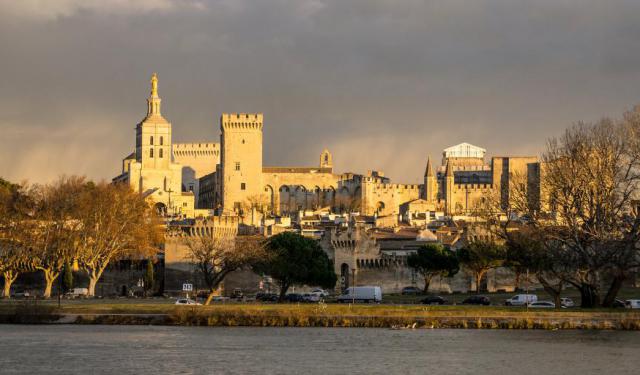
A Walk Through Avignon's Medieval Old Town
The thing about a wall around a city is to keep unwanted visitors out. But the massive walls encircling Avignon tend to keep visitors in. And the visitors don't mind it. Is this a mystery? Not when one considers what is inside the walls of Avignon. And forget driving. Park the car and walk.
Your first encounter is the Popes' Palace. This awesome mountain of a palace was built in the... view more
Tour Duration: 2 Hours
Travel Distance: 3 Km or 1.9 Miles
Your first encounter is the Popes' Palace. This awesome mountain of a palace was built in the... view more
Tour Duration: 2 Hours
Travel Distance: 3 Km or 1.9 Miles
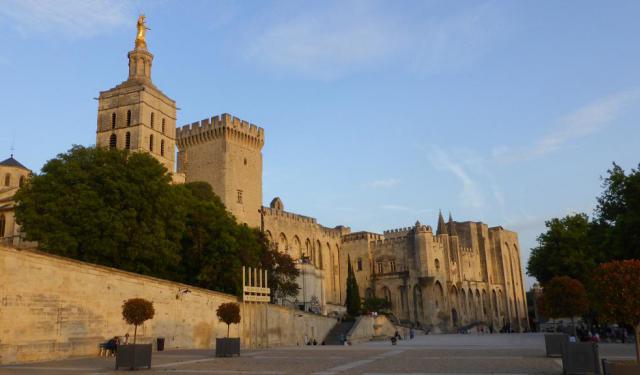
Discover Avignon's Architectural Jewels on Foot
Centuries of history in Avignon are well seen in the stones of some of France’s best preserved architectural monuments. The city's architecture may well not be as diverse as elsewhere in the country, but it is really difficult to find another place whose history is just as complicated and dynamic as Avignon's.
Being one of only two cities on earth that can claim to be the... view more
Tour Duration: 1 Hour
Travel Distance: 2.4 Km or 1.5 Miles
Being one of only two cities on earth that can claim to be the... view more
Tour Duration: 1 Hour
Travel Distance: 2.4 Km or 1.5 Miles
City Walks Overview
