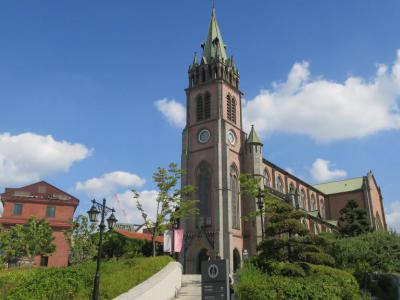


Myeongdong Cathedral, Seoul
Myeongdong Cathedral was established on a site where Korean Catholics first gathered in 1784. The present Gothic brick structure began construction in 1892, with King Gojong laying the cornerstone. Built under the guidance of French missionaries, the cathedral was completed in 1898, making it the first brick Gothic-style church in Korea and the official seat of the Archbishop of Seoul.
The cathedral’s architecture features stained-glass windows, ribbed vault ceilings, and a 45-meter-tall bell tower, contrasting beautifully with the red and grey brick facade. Its Latin cross-plan design reflects Western ecclesiastical influence while blending seamlessly into the modern urban fabric of Myeongdong. Inside, the crypte houses relics and the remains of early Korean Catholic martyrs-a moving tribute to those persecuted during the Joseon era religious suppressions.
Beyond its religious function, Myeongdong Cathedral has played a potent role in Korea’s modern social history. During the 1970s and 1980s, it served as a sanctuary for pro-democracy activists and a stage for human rights protests against authoritarian rule-earning it the nickname "Mecca of democracy" in Seoul. In recent years, it also attracted attention as the site of the landmark 1995 migrant labor protest, which helped spark Korea’s labor rights movement.
The cathedral’s architecture features stained-glass windows, ribbed vault ceilings, and a 45-meter-tall bell tower, contrasting beautifully with the red and grey brick facade. Its Latin cross-plan design reflects Western ecclesiastical influence while blending seamlessly into the modern urban fabric of Myeongdong. Inside, the crypte houses relics and the remains of early Korean Catholic martyrs-a moving tribute to those persecuted during the Joseon era religious suppressions.
Beyond its religious function, Myeongdong Cathedral has played a potent role in Korea’s modern social history. During the 1970s and 1980s, it served as a sanctuary for pro-democracy activists and a stage for human rights protests against authoritarian rule-earning it the nickname "Mecca of democracy" in Seoul. In recent years, it also attracted attention as the site of the landmark 1995 migrant labor protest, which helped spark Korea’s labor rights movement.
Want to visit this sight? Check out these Self-Guided Walking Tours in Seoul. Alternatively, you can download the mobile app "GPSmyCity: Walks in 1K+ Cities" from Apple App Store or Google Play Store. The app turns your mobile device to a personal tour guide and it works offline, so no data plan is needed when traveling abroad.
Download The GPSmyCity App



Myeongdong Cathedral on Map
Sight Name: Myeongdong Cathedral
Sight Location: Seoul, South Korea (See walking tours in Seoul)
Sight Type: Attraction/Landmark
Sight Location: Seoul, South Korea (See walking tours in Seoul)
Sight Type: Attraction/Landmark
Nearby Sights
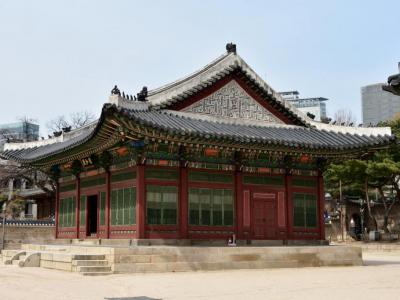
Walking Tours in Seoul, South Korea

Create Your Own Walk in Seoul
Creating your own self-guided walk in Seoul is easy and fun. Choose the city attractions that you want to see and a walk route map will be created just for you. You can even set your hotel as the start point of the walk.
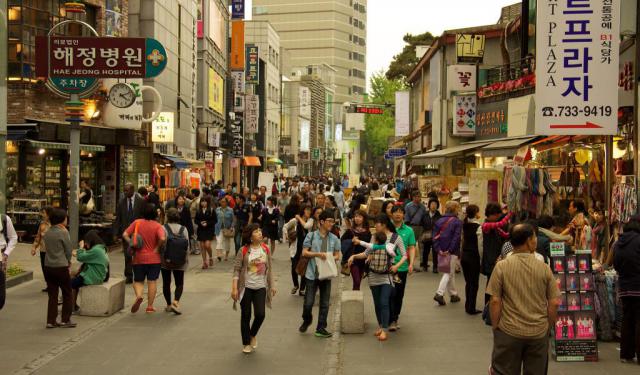
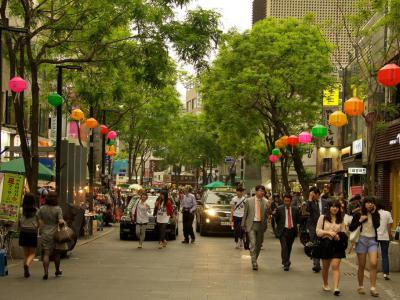
Insa-dong Walking Tour
Originating 500 years ago as a residential quarter for government officials, today's Insa-dong is a buzzing shopping and dining district in Seoul where the past meets the present. During the Japanese occupation of the country in the first half of the 20th century, wealthy Koreans were forced to move out and sell their belongings, at which point the district became a center of antique trading.... view more
Tour Duration: 1 Hour
Travel Distance: 0.8 Km or 0.5 Miles
Tour Duration: 1 Hour
Travel Distance: 0.8 Km or 0.5 Miles
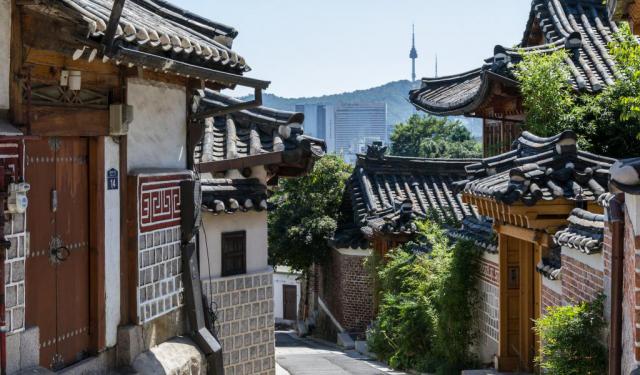
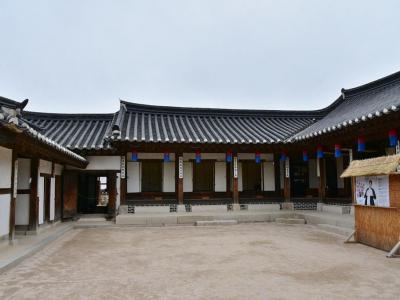
Bukchon Hanok Village Walk
Bukchon Hanok, the traditional Korean village in downtown Seoul, is famous for its well-preserved 600-year-old setting. Once home to the nation’s nobility, the village sits on a hill near the Changdeokgung Palace.
One notable attraction here is Baek In-je's House Museum, which provides insight into the life of a prominent Korean politician from the early 20th century. Meanwhile, the... view more
Tour Duration: 1 Hour
Travel Distance: 1.7 Km or 1.1 Miles
One notable attraction here is Baek In-je's House Museum, which provides insight into the life of a prominent Korean politician from the early 20th century. Meanwhile, the... view more
Tour Duration: 1 Hour
Travel Distance: 1.7 Km or 1.1 Miles
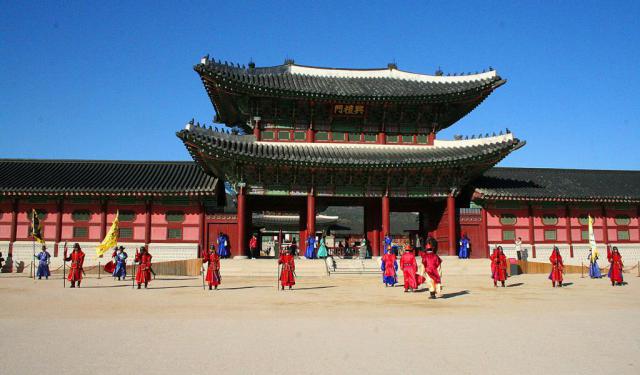
Seoul Introduction Walking Tour
The bustling capital of South Korea, Seoul, seamlessly blends modern innovation with a more than 2,000-year history. Remarkably, until 1972, the city was claimed by North Korea as its de jure capital and even specified as such in its constitution.
Seoul was founded in 18 BC by the people of Baekje. The three ancient kingdoms of Korea - Baekje, Goguryeo, and Silla - fought over its possession... view more
Tour Duration: 2 Hours
Travel Distance: 3.5 Km or 2.2 Miles
Seoul was founded in 18 BC by the people of Baekje. The three ancient kingdoms of Korea - Baekje, Goguryeo, and Silla - fought over its possession... view more
Tour Duration: 2 Hours
Travel Distance: 3.5 Km or 2.2 Miles
Useful Travel Guides for Planning Your Trip
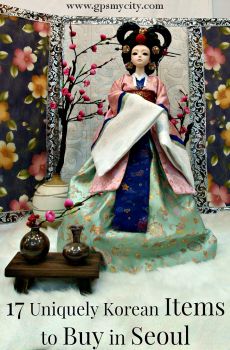
17 Uniquely Korean Souvenirs to Buy in Seoul
Back in the mid 20th century, a certain gentleman once spoke of Korea saying, it won't be possible to grow a rose in a waste bin. Certainly, one would hardly subscribe to his point of view today in every respect, given the image of contemporary South Korea and its capital city of Seoul in...
City Walks Overview
