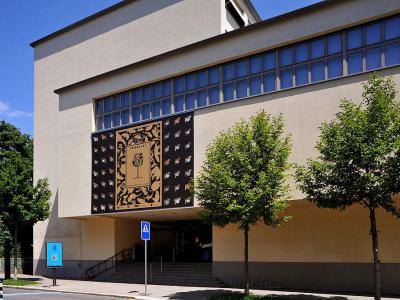


Naturhistorisches Museum (Natural History Museum of Bern), Bern
The Natural History Museum of Bern (Naturhistorisches Museum Bern) is dedicated to educational and research collaboration with the University of Bern. Established in 1832, the museum attracts approximately 131,000 visitors annually.
Housed in a structure on Bernastrasse in the Kirchenfeld quarter, the museum's building was constructed between 1932 and 1934 and officially opened in 1936. This location has undergone several expansions since its inauguration. Previously, the museum's exhibits were displayed in a building on Hodlerstrasse from 1878 to 1881, which was demolished in 1936, and before that, in the library gallery of a former college building.
The museum boasts a diverse and extensive collection, highlighted by over 220 life-sized dioramas showcasing preserved animals from Switzerland, Africa, and Asia. Additionally, it holds a notable collection of minerals from the Alpine region, including samples of gold found across Switzerland, meteorites, and a vast assortment of invertebrates.
One of the museum’s most celebrated features is Switzerland's largest collection of animal skeletons and bones, prominently displayed in "The Big Bone Show" (Die grosse Knochenschau). This exhibition features more than 300 skeletons, including those of a fin whale and an Asian elephant, with eight of the larger skeletons mounted on a continuously rotating carousel. The display also includes 518 individual bones, making it a central attraction.
The museum’s largest exhibit uses its collection of four million items to delve into the biological and psychological aspects of life. Visitors engage with the world’s biodiversity through senses like sight, smell, and sound, exploring not only scientific phenomena but also philosophical insights into the metaphysics of studying life. The experience is enriched with films, and tactile, and audio installations that provide a comprehensive understanding of both the scientific and existential questions concerning life.
Why You Should Visit:
One of the cheaper museums to visit, especially great for kids who will enjoy the huge range of interactive exhibits.
There are art gallery-like science rooms in the same building and as well as the café there is a designated indoor picnic area.
Housed in a structure on Bernastrasse in the Kirchenfeld quarter, the museum's building was constructed between 1932 and 1934 and officially opened in 1936. This location has undergone several expansions since its inauguration. Previously, the museum's exhibits were displayed in a building on Hodlerstrasse from 1878 to 1881, which was demolished in 1936, and before that, in the library gallery of a former college building.
The museum boasts a diverse and extensive collection, highlighted by over 220 life-sized dioramas showcasing preserved animals from Switzerland, Africa, and Asia. Additionally, it holds a notable collection of minerals from the Alpine region, including samples of gold found across Switzerland, meteorites, and a vast assortment of invertebrates.
One of the museum’s most celebrated features is Switzerland's largest collection of animal skeletons and bones, prominently displayed in "The Big Bone Show" (Die grosse Knochenschau). This exhibition features more than 300 skeletons, including those of a fin whale and an Asian elephant, with eight of the larger skeletons mounted on a continuously rotating carousel. The display also includes 518 individual bones, making it a central attraction.
The museum’s largest exhibit uses its collection of four million items to delve into the biological and psychological aspects of life. Visitors engage with the world’s biodiversity through senses like sight, smell, and sound, exploring not only scientific phenomena but also philosophical insights into the metaphysics of studying life. The experience is enriched with films, and tactile, and audio installations that provide a comprehensive understanding of both the scientific and existential questions concerning life.
Why You Should Visit:
One of the cheaper museums to visit, especially great for kids who will enjoy the huge range of interactive exhibits.
There are art gallery-like science rooms in the same building and as well as the café there is a designated indoor picnic area.
Want to visit this sight? Check out these Self-Guided Walking Tours in Bern. Alternatively, you can download the mobile app "GPSmyCity: Walks in 1K+ Cities" from Apple App Store or Google Play Store. The app turns your mobile device to a personal tour guide and it works offline, so no data plan is needed when traveling abroad.
Download The GPSmyCity App



Naturhistorisches Museum (Natural History Museum of Bern) on Map
Sight Name: Naturhistorisches Museum (Natural History Museum of Bern)
Sight Location: Bern, Switzerland (See walking tours in Bern)
Sight Type: Museum/Gallery
Sight Location: Bern, Switzerland (See walking tours in Bern)
Sight Type: Museum/Gallery
Nearby Sights

Walking Tours in Bern, Switzerland

Create Your Own Walk in Bern
Creating your own self-guided walk in Bern is easy and fun. Choose the city attractions that you want to see and a walk route map will be created just for you. You can even set your hotel as the start point of the walk.
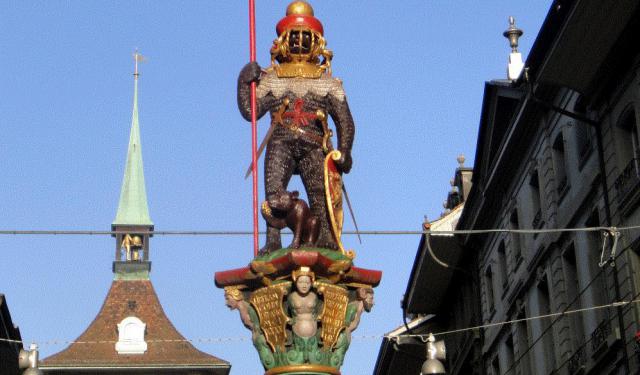
Fountains and Statues Walking Tour
With over 100 public fountains in the Old Town alone, Bern has a well-deserved reputation as the "City of Fountains". During medieval times, local life revolved around fountains as they provided water for residents and served as locations for news exchange and social gatherings.
Throughout history, Bernese residents have cherished their fountains and decorated them with elaborate... view more
Tour Duration: 1 Hour(s)
Travel Distance: 1.6 Km or 1 Miles
Throughout history, Bernese residents have cherished their fountains and decorated them with elaborate... view more
Tour Duration: 1 Hour(s)
Travel Distance: 1.6 Km or 1 Miles
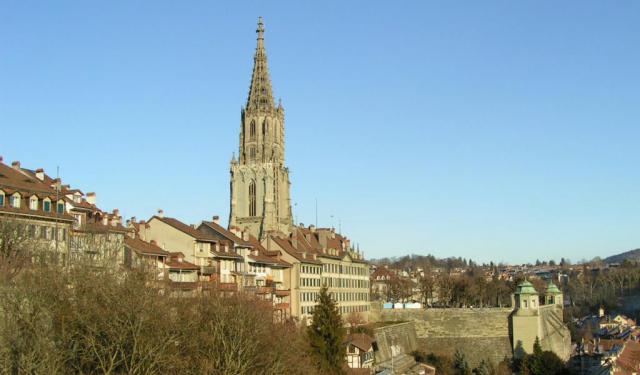
Bern's Historical Churches
They say architecture should speak of its time and place, but yearn for timelessness. While the outside appearances of historical churches in Bern beckon seekers of beauty and tranquility, the ethereal atmosphere within embraces the visitor with a sense of timeless serenity.
Enveloped within Bern's historic old town, the Church of the Holy Ghost (Heiliggeistkirche) is one of the largest... view more
Tour Duration: 1 Hour(s)
Travel Distance: 1.9 Km or 1.2 Miles
Enveloped within Bern's historic old town, the Church of the Holy Ghost (Heiliggeistkirche) is one of the largest... view more
Tour Duration: 1 Hour(s)
Travel Distance: 1.9 Km or 1.2 Miles
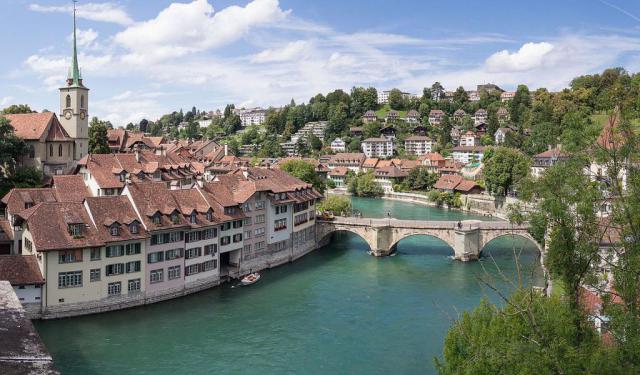
Walking Through Old Town of Bern
During his visit in 1779, German writer Johann Wolfgang von Goethe did not hesitate to call Bern the most beautiful city he had ever seen.
Bern, the capital of Switzerland, was founded in 1191 by Duke Berchtold V of Zähringen, who established the city on a narrow peninsula formed by a bend in the Aare River. According to local legend, the duke vowed to name his new settlement after the first... view more
Tour Duration: 2 Hour(s)
Travel Distance: 2.6 Km or 1.6 Miles
Bern, the capital of Switzerland, was founded in 1191 by Duke Berchtold V of Zähringen, who established the city on a narrow peninsula formed by a bend in the Aare River. According to local legend, the duke vowed to name his new settlement after the first... view more
Tour Duration: 2 Hour(s)
Travel Distance: 2.6 Km or 1.6 Miles
Useful Travel Guides for Planning Your Trip

Swiss Sweets and Pastries
Among other things that make Switzerland popular around the world, chocolate is definitely the one. Still, chocolate isn't the only Swiss-made sweet deserving attention, as there are plenty of baked products, such as Magenbrot, Vermicelles, and Biberli, to mention but a few, that are well worth...