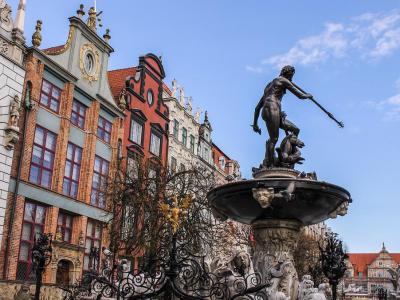


Neptune's Fountain, Gdansk
The Neptune Fountain reflects Gdansk’s long connection to the sea. Neptune, the Roman god of the oceans, was chosen as a symbol of maritime prosperity in a city whose identity was shaped by Baltic trade and its role as a major port. The fountain was commissioned in 1606 by Mayor Bartholomäus Schachmann, who envisioned a grand monument near an older public well. Construction began that same year, though progress slowed due to wars, building renovations, and the death of architect Abraham van den Blocke.
The fountain was finally completed and unveiled in 1633. The statue stands on a pedestal made of dark volcanic tuff, surrounded by an ornate iron fence added in 1634. The monument combines Renaissance and Flemish Mannerist influences, visible in its decorative detailing and formal composition. Neptune faces toward the former royal residences along the Royal Route, posed in a slight bow while holding his trident.
The surrounding fence originally featured gilded Polish eagles, symbols removed during World War II and later restored. During the war, the fountain itself was dismantled and hidden for protection before being reconstructed after the conflict. It returned to operation in 1957 and underwent additional restoration work in 2012 to preserve its structure and detailing.
Local legend adds a playful dimension to the fountain’s history. According to tradition, Neptune struck the water with his trident after merchants tossed coins into the basin, breaking the gold into tiny flakes that inspired the famous Goldwasser liqueur associated with Gdansk.
The fountain was finally completed and unveiled in 1633. The statue stands on a pedestal made of dark volcanic tuff, surrounded by an ornate iron fence added in 1634. The monument combines Renaissance and Flemish Mannerist influences, visible in its decorative detailing and formal composition. Neptune faces toward the former royal residences along the Royal Route, posed in a slight bow while holding his trident.
The surrounding fence originally featured gilded Polish eagles, symbols removed during World War II and later restored. During the war, the fountain itself was dismantled and hidden for protection before being reconstructed after the conflict. It returned to operation in 1957 and underwent additional restoration work in 2012 to preserve its structure and detailing.
Local legend adds a playful dimension to the fountain’s history. According to tradition, Neptune struck the water with his trident after merchants tossed coins into the basin, breaking the gold into tiny flakes that inspired the famous Goldwasser liqueur associated with Gdansk.
Want to visit this sight? Check out these Self-Guided Walking Tours in Gdansk. Alternatively, you can download the mobile app "GPSmyCity: Walks in 1K+ Cities" from Apple App Store or Google Play Store. The app turns your mobile device to a personal tour guide and it works offline, so no data plan is needed when traveling abroad.
Download The GPSmyCity App



Neptune's Fountain on Map
Sight Name: Neptune's Fountain
Sight Location: Gdansk, Poland (See walking tours in Gdansk)
Sight Type: Attraction/Landmark
Guide(s) Containing This Sight:
Sight Location: Gdansk, Poland (See walking tours in Gdansk)
Sight Type: Attraction/Landmark
Guide(s) Containing This Sight:
Nearby Sights



Walking Tours in Gdansk, Poland

Create Your Own Walk in Gdansk
Creating your own self-guided walk in Gdansk is easy and fun. Choose the city attractions that you want to see and a walk route map will be created just for you. You can even set your hotel as the start point of the walk.
Gdansk's Historical Churches Tour
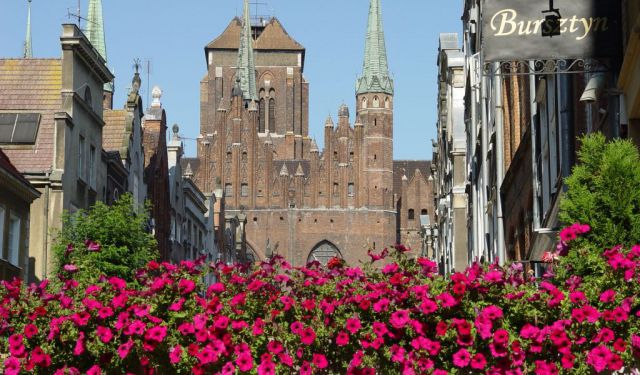
Gdansk has a long history of Catholicism, hence the abundance of spectacular churches here. Let's delve into some of the most impressive temples that grace the cityscape and see what they are.
Saint John's Church, a Gothic masterpiece, stands tall in the heart of Gdansk. It dates back to the 14th century and features impressive brickwork and intricate details. Its towering spire is a... view more
Tour Duration: 1 Hour
Travel Distance: 1.6 Km or 1 Miles
Saint John's Church, a Gothic masterpiece, stands tall in the heart of Gdansk. It dates back to the 14th century and features impressive brickwork and intricate details. Its towering spire is a... view more
Tour Duration: 1 Hour
Travel Distance: 1.6 Km or 1 Miles
Solidarity Union Walking Tour
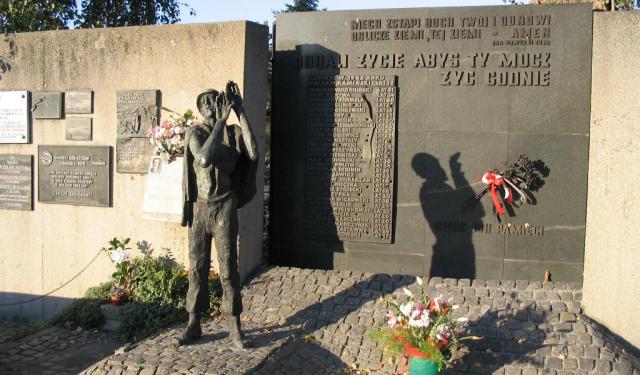
For decades, the word “Solidarity” has been synonymous with the city of Gdansk. The peaceful Solidarity revolution, started here in the August of 1980, marked the outset of the fall of communism not only in Poland but also throughout Eastern Europe.
Stemmed from the country's first free labor union born out of strikes at the Lenin Shipyard, now the Gdansk Shipyard,... view more
Tour Duration: 1 Hour
Travel Distance: 0.8 Km or 0.5 Miles
Stemmed from the country's first free labor union born out of strikes at the Lenin Shipyard, now the Gdansk Shipyard,... view more
Tour Duration: 1 Hour
Travel Distance: 0.8 Km or 0.5 Miles
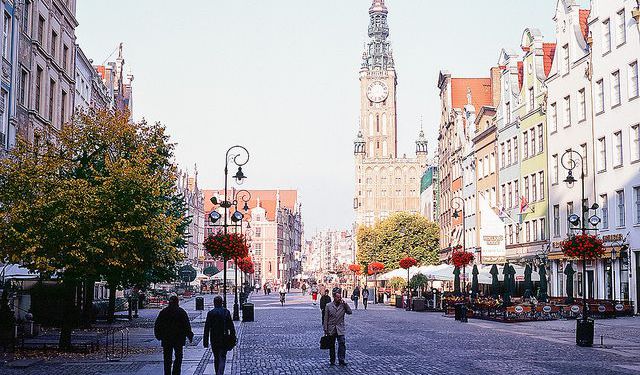
Gdansk Old Town Walking Tour
Standing between river and sea, Gdansk has spent a thousand years welcoming arrivals and surviving departures.
Where the Motława River meets the Baltic Sea, Gdansk has long stood at the crossroads of trade, politics, and culture. Its name is believed to derive from “Gdania”, an early name for the river flowing through the settlement, though some linguists connect it to old Slavic words... view more
Tour Duration: 2 Hours
Travel Distance: 2.2 Km or 1.4 Miles
Where the Motława River meets the Baltic Sea, Gdansk has long stood at the crossroads of trade, politics, and culture. Its name is believed to derive from “Gdania”, an early name for the river flowing through the settlement, though some linguists connect it to old Slavic words... view more
Tour Duration: 2 Hours
Travel Distance: 2.2 Km or 1.4 Miles