

Neronian Cryptoporticus, Rome
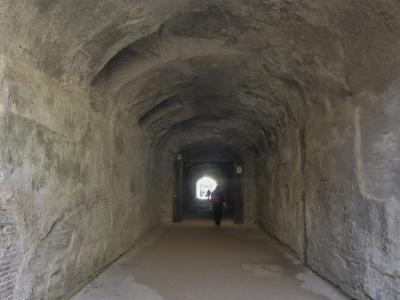
If ancient Romans had a secret runway for emperors to stroll, scheme, and avoid bad weather, the cryptoporticus was it. The name itself sounds mysterious, but no-it's pure Latin: “crypta” means hidden space, and “porticus” means portico. Put them together, and you get a covered, semi-underground corridor-basically the Romans’ idea of a climate-controlled hallway long before air-conditioning was cool...
These vaulted passageways often propped up the fancy structures built above them, like villas and forums. Picture a sleek Roman marble terrace on top… and underneath, a shady corridor perfect for political gossip, secret strolls, or escaping the scorching sun. In the ancient letters, the term "cryptoporticus" was often used interchangeably with "crypt," indicating an underground space.
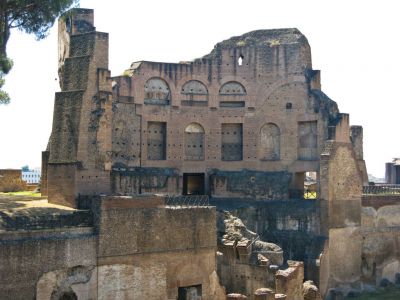
One of the most famous examples of a cryptoporticus is part of the Domus Tiberiana complex, the first imperial palace on the Palatine Hill. Built during Emperor Nero’s era-from around 54 to 68 AD-it stretches a dramatic 130 meters (because emperors didn’t do “short”). Tiberius and his successors-Caligula, Claudius, and Nero-eventually blended their separate palaces into one mega-residence, and the cryptoporticus helped stitch it all together.
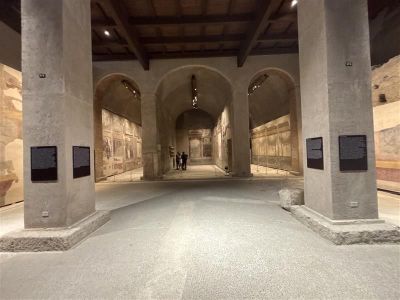
Eventually buried beneath the Renaissance Farnese Gardens, the corridor still survives with its tiny windows, mosaic floors, and what remains of its once-fancy ceiling. The original stucco-complete with cupids and leafy décor-now lives at the Palatine Museum, safely preserved from humidity… and curious fingers.
So, next time you walk through a dull hallway, just remember: the Romans invented one so stylish it became a palace highlight-minus the fluorescent lighting and office carpet...
These vaulted passageways often propped up the fancy structures built above them, like villas and forums. Picture a sleek Roman marble terrace on top… and underneath, a shady corridor perfect for political gossip, secret strolls, or escaping the scorching sun. In the ancient letters, the term "cryptoporticus" was often used interchangeably with "crypt," indicating an underground space.
One of the most famous examples of a cryptoporticus is part of the Domus Tiberiana complex, the first imperial palace on the Palatine Hill. Built during Emperor Nero’s era-from around 54 to 68 AD-it stretches a dramatic 130 meters (because emperors didn’t do “short”). Tiberius and his successors-Caligula, Claudius, and Nero-eventually blended their separate palaces into one mega-residence, and the cryptoporticus helped stitch it all together.
Eventually buried beneath the Renaissance Farnese Gardens, the corridor still survives with its tiny windows, mosaic floors, and what remains of its once-fancy ceiling. The original stucco-complete with cupids and leafy décor-now lives at the Palatine Museum, safely preserved from humidity… and curious fingers.
So, next time you walk through a dull hallway, just remember: the Romans invented one so stylish it became a palace highlight-minus the fluorescent lighting and office carpet...
Want to visit this sight? Check out these Self-Guided Walking Tours in Rome. Alternatively, you can download the mobile app "GPSmyCity: Walks in 1K+ Cities" from Apple App Store or Google Play Store. The app turns your mobile device to a personal tour guide and it works offline, so no data plan is needed when traveling abroad.
Download The GPSmyCity App



Neronian Cryptoporticus on Map
Sight Name: Neronian Cryptoporticus
Sight Location: Rome, Italy (See walking tours in Rome)
Sight Type: Attraction/Landmark
Guide(s) Containing This Sight:
Sight Location: Rome, Italy (See walking tours in Rome)
Sight Type: Attraction/Landmark
Guide(s) Containing This Sight:
Nearby Sights
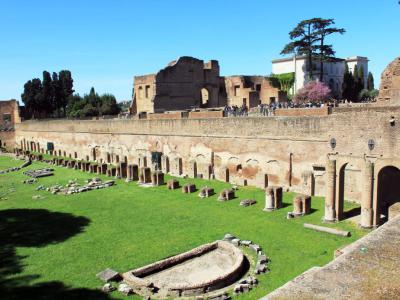
Walking Tours in Rome, Italy

Create Your Own Walk in Rome
Creating your own self-guided walk in Rome is easy and fun. Choose the city attractions that you want to see and a walk route map will be created just for you. You can even set your hotel as the start point of the walk.
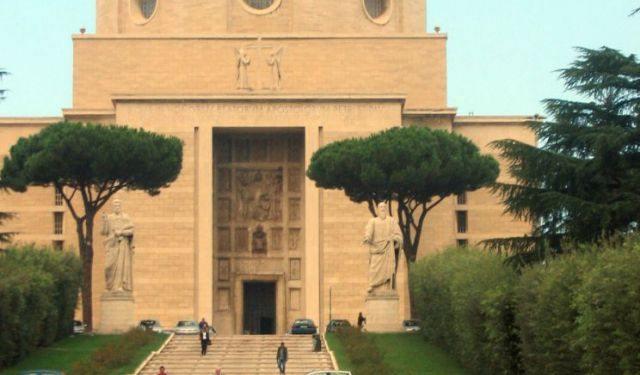
EUR Sightseeing Walking Tour
The Esposizione Universale di Roma (EUR), located in the southern suburb of Rome, was originally constructed for an international exhibition that was planned by Mussolini as a grand celebration of Fascist Italy. However, due to the outbreak of World War II, the exhibition never took place. The architecture of EUR was designed to glorify Fascism and showcases a distinct style that sets it apart... view more
Tour Duration: 2 Hour(s)
Travel Distance: 3.6 Km or 2.2 Miles
Tour Duration: 2 Hour(s)
Travel Distance: 3.6 Km or 2.2 Miles
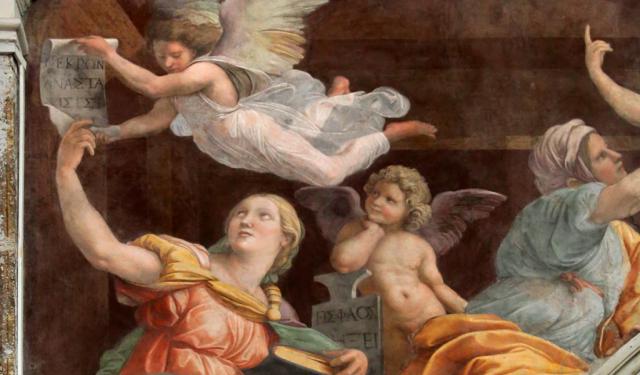
Hidden Art Treasures in Rome
Rome is one of the world's top living museums, replete with some of the most iconic pieces of art on the face of the planet. Famous artists, such as Michelangelo, Caravaggio, Raphael, Bernini, to mention but a few, had lived and worked here and left indelible marks in the city.
Needless to say that the abundance of masterpieces makes Rome crowded with tourists anxious to see them, causing... view more
Tour Duration: 1 Hour(s)
Travel Distance: 2.6 Km or 1.6 Miles
Needless to say that the abundance of masterpieces makes Rome crowded with tourists anxious to see them, causing... view more
Tour Duration: 1 Hour(s)
Travel Distance: 2.6 Km or 1.6 Miles
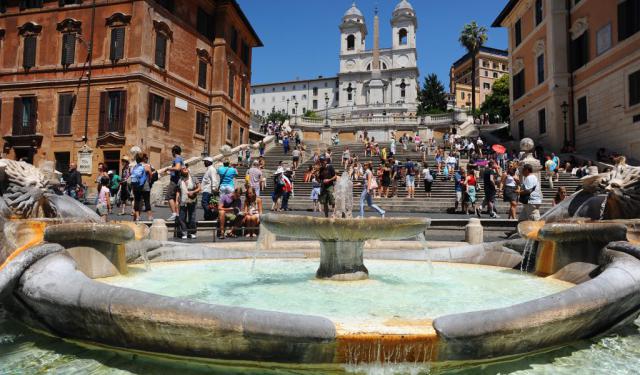
Rome Introduction Walking Tour II
Rome, the Eternal City, carries a legacy shaped by centuries of resilience, transformation, and cultural flourishing. The fall of the Roman Empire in 476 AD marked the end of an era, plunging Western Europe into the dark Middle Ages. Yet, even amid the disarray, Rome endured as a beacon of unity, largely due to its status as the center of Catholicism. The papacy wielded spiritual influence,... view more
Tour Duration: 2 Hour(s)
Travel Distance: 3.4 Km or 2.1 Miles
Tour Duration: 2 Hour(s)
Travel Distance: 3.4 Km or 2.1 Miles
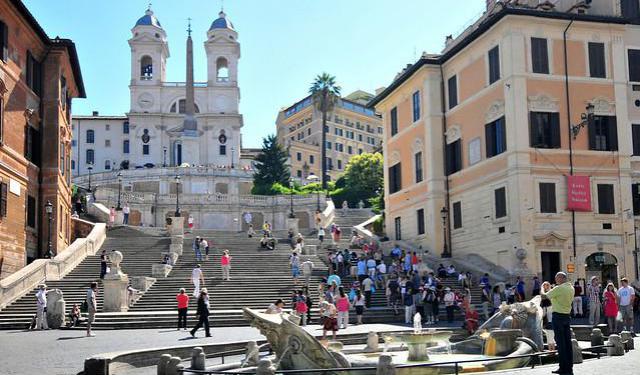
Spanish Steps to Trevi Fountain
An established tourist mecca, today's Rome is hardly imaginable without two of its much loved attractions – the Spanish Steps and the Trevi Fountain. Magnets for tourists as they are, these two sights are connected to a number of other, not less worthy of attention locations, such as the Fountain of the Longboat or Piazza Colonna and its centerpiece, the Column of Marcus Aurelius, to... view more
Tour Duration: 1 Hour(s)
Travel Distance: 2.0 Km or 1.2 Miles
Tour Duration: 1 Hour(s)
Travel Distance: 2.0 Km or 1.2 Miles
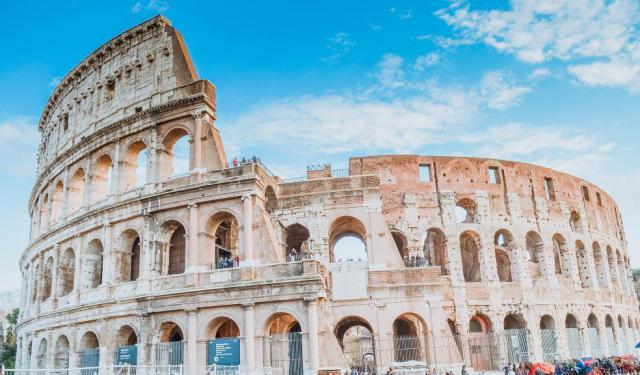
Rome Introduction Walking Tour I
Often referred to as the Eternal City, Rome holds a unique place in the story of Western civilization. Its influence shaped European culture through language, governance, and monumental architecture.
The name “Rome” originates from Romulus, the mythical founder of the city, who, according to legend, was the son of the war god Mars and Rhea Silvia, the priestess of goddess Vesta. Both... view more
Tour Duration: 2 Hour(s)
Travel Distance: 3.7 Km or 2.3 Miles
The name “Rome” originates from Romulus, the mythical founder of the city, who, according to legend, was the son of the war god Mars and Rhea Silvia, the priestess of goddess Vesta. Both... view more
Tour Duration: 2 Hour(s)
Travel Distance: 3.7 Km or 2.3 Miles
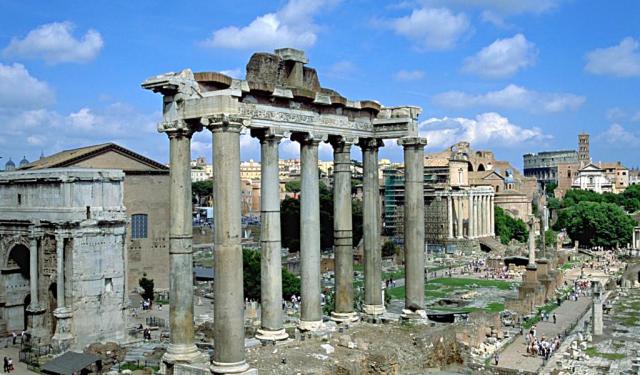
Roman Forum and Imperial Forums Walking Tour
t's a known fact that Rome wasn't built in a day. But since it was built, the city has stood the test of time and become "eternal." A popular proverb says, "all roads lead to Rome," but very few realize that, inside Rome itself, all roads lead to the Forum.
Indeed, the central hub of ancient Rome, the Roman Forum and the Imperial Forums once served as the... view more
Tour Duration: 2 Hour(s)
Travel Distance: 2.0 Km or 1.2 Miles
Indeed, the central hub of ancient Rome, the Roman Forum and the Imperial Forums once served as the... view more
Tour Duration: 2 Hour(s)
Travel Distance: 2.0 Km or 1.2 Miles
Useful Travel Guides for Planning Your Trip
10 Best Food Markets in Rome Italy
Of all the things Italy is most famous for (cars, music, fashion, movies, etc.), food is, undoubtedly, top of the list. Rome may well not be the whole Italy, but no Italy is whole without Rome... And the Romans, much as all their fellow-Italians, like it "fresco", hence the abundance of...
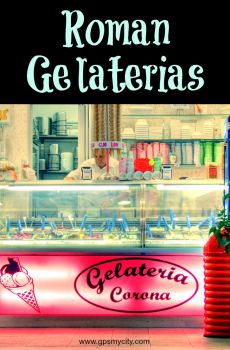
17 Best Gelaterias in Rome Italy
For ice cream lovers and dabblers this guide is a treasure chest of Rome’s best gelato shops. There are gelaterias everywhere. Many visitors to Rome only have a few days to explore the city. You owe it to yourself to make the most of your time and find the gelato locals eat. Often the authentic...
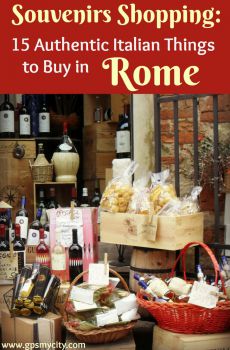
Souvenirs Shopping: 15 Authentic Italian Things To Buy in Rome
Rome is the Eternal City and, as such, the list of gift options available here is countless. Whether it's something edible, drinkable, wearable or pleasing to the eye that you want - you will find it all here in abundance. However, if time or budget is the factor, perhaps you might want to...