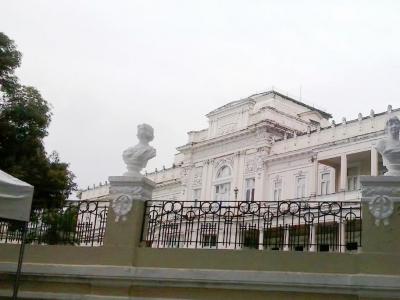


Palacio da Aclamacao (Palace of Acclamation), Salvador
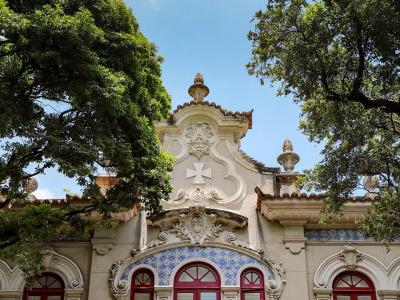
Salvador’s Palace of Acclamation sits like a stately grande dame beside the serene Public Promenade (“Passeio Público”) gardens, all elegance and history in one impressive package. Once the stylish crib of the wealthy Moraes family-back when it was known as the equally fancy “Palacete dos Moraes”-this historic gem eventually absorbed a neighboring house, now home to the State Cultural Council. Built between 1912 and 1917 under Governor José Joaquim Seabra’s ambitious watch, the palace channels an unapologetically extravagant Versailles-inspired vibe-perfectly matched to Seabra’s grand tastes and even grander ego. The name “Acclamation” itself nods to Brazil’s republican ideals with a touch of royal flair.
For fifty years (1917–1967), it served as the governors’ official residence-welcoming dignitaries including the Queen of Great Britain-before opening its grand doors to the arts and culture. Inside, you’ll find a wonderland of framed panels, exquisite paintings, luxurious furniture, Persian rugs, gleaming porcelain, crystal, bronze accents, and celebrated French artworks. Today, the palace teeters on the edge of a new role: whispers hint at its transformation into the Northeast’s very first Banco do Brasil-run cultural center (CCBB). Negotiations are underway, promising an exciting new chapter-or at least an entertaining encore.
For fifty years (1917–1967), it served as the governors’ official residence-welcoming dignitaries including the Queen of Great Britain-before opening its grand doors to the arts and culture. Inside, you’ll find a wonderland of framed panels, exquisite paintings, luxurious furniture, Persian rugs, gleaming porcelain, crystal, bronze accents, and celebrated French artworks. Today, the palace teeters on the edge of a new role: whispers hint at its transformation into the Northeast’s very first Banco do Brasil-run cultural center (CCBB). Negotiations are underway, promising an exciting new chapter-or at least an entertaining encore.
Want to visit this sight? Check out these Self-Guided Walking Tours in Salvador. Alternatively, you can download the mobile app "GPSmyCity: Walks in 1K+ Cities" from Apple App Store or Google Play Store. The app turns your mobile device to a personal tour guide and it works offline, so no data plan is needed when traveling abroad.
Download The GPSmyCity App



Palacio da Aclamacao (Palace of Acclamation) on Map
Sight Name: Palacio da Aclamacao (Palace of Acclamation)
Sight Location: Salvador, Brazil (See walking tours in Salvador)
Sight Type: Attraction/Landmark
Sight Location: Salvador, Brazil (See walking tours in Salvador)
Sight Type: Attraction/Landmark
Nearby Sights
Walking Tours in Salvador, Brazil

Create Your Own Walk in Salvador
Creating your own self-guided walk in Salvador is easy and fun. Choose the city attractions that you want to see and a walk route map will be created just for you. You can even set your hotel as the start point of the walk.
Salvador's Historic Center Walking Tour
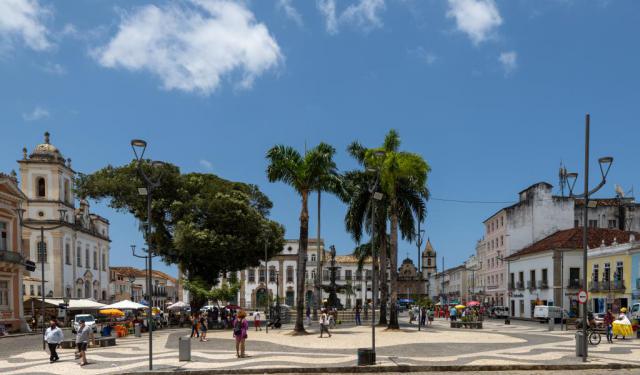
Salvador is a coastal city in Brazil. Founded in 1548, it is the country's former capital and serves as the current capital of the state of Bahia. It is one of the oldest planned cities in the Americas.
Due to its location, early Europeans turned Salvador into an important trade route for slavery. Of the nearly 5 million enslaved people who were imported to Brazil, about 1.3 million were... view more
Tour Duration: 1 Hour(s)
Travel Distance: 1.6 Km or 1 Miles
Due to its location, early Europeans turned Salvador into an important trade route for slavery. Of the nearly 5 million enslaved people who were imported to Brazil, about 1.3 million were... view more
Tour Duration: 1 Hour(s)
Travel Distance: 1.6 Km or 1 Miles
Salvador's Historical Churches Tour
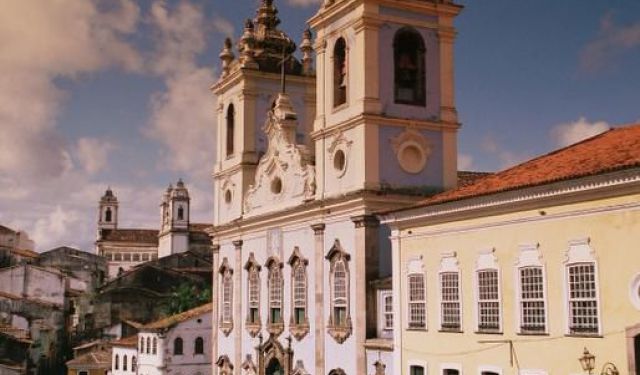
In Salvador, Brazil, there are quite a few churches emblematic of its cultural and religious heritage. The city's historic district contains so many old Catholic temples that some even joke that you can have a different church to visit there every day of the year. However, if you don't have a whole year to spend in Salvador but still want to make the most of your time in terms of... view more
Tour Duration: 1 Hour(s)
Travel Distance: 2.1 Km or 1.3 Miles
Tour Duration: 1 Hour(s)
Travel Distance: 2.1 Km or 1.3 Miles