

Palazzo Ayrolo Negrone (Ayrolo Negrone Palace), Genoa
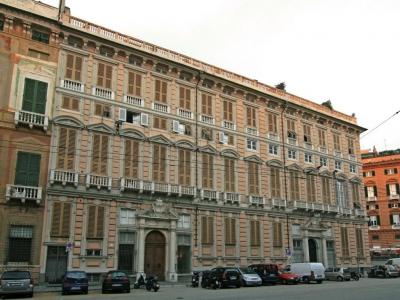
The Ayrolo Negrone Palace is one of those buildings that doesn’t loudly demand attention-but still expects it. Elegant, composed, and quietly self-assured, it blends Renaissance discipline with a touch of Baroque confidence. As part of Genoa’s Rolli system, it once stepped into the spotlight when the republic needed to impress important guests, and it still carries that sense of practiced prestige today.
This palace wasn’t built in a single dramatic moment. Instead, it evolved through a series of well-considered upgrades. It all began around 1560 to 1562, when two separate houses were stitched together.
One of them belonged to Francesco de Ugarte, the Spanish ambassador, which already tells you this address was never meant to be modest. In the early 17th century, Gio Tommaso Ayrolo brought the two wings fully under one roof, giving the palace a more unified presence. By 1657, ownership passed to the Negrone family, who continued refining both its appearance and reputation.
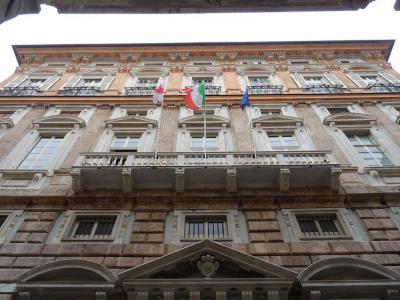
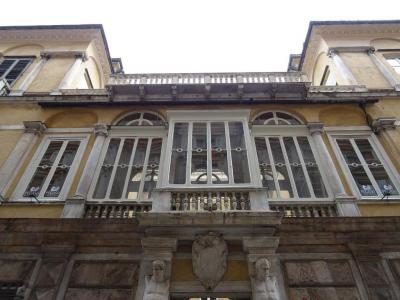
Changes kept coming. In the 18th century, architect Antonio Barabino refreshed the façade, giving it a more up-to-date look for its time. Later, in 1870, the palace acquired its distinctive twin marble portals-an architectural way of saying that one grand entrance was clearly not enough.
Yet for all these exterior updates, the real show of ambition is inside, where the 17th-century gallery steals the spotlight. Frescoed by Giovanni Battista Carlone, the long, light-filled hall unfolds scenes from the Aeneid, painted with dramatic movement, bold color, and clever perspective tricks that stretch the space far beyond its actual dimensions.
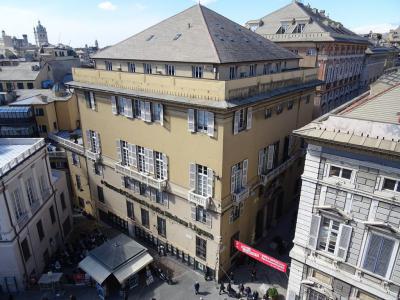
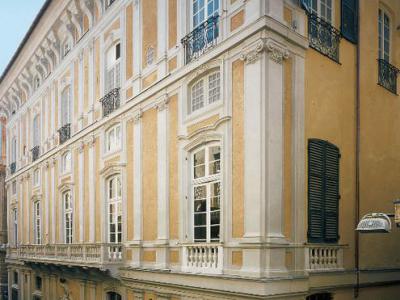
Today, the Ayrolo Negrone Palace remains privately owned and usually keeps its doors closed to casual visitors. Even so, it makes its presence felt from Fontane Marose Square. The refined façade, elegant windows, and paired entrances offer just enough clues to spark curiosity.
On rare occasions, when the palace opens for special cultural events, it reveals its full theatrical side-proof that Genoa’s aristocracy knew exactly how to turn mythology, architecture, and diplomacy into one smooth, well-rehearsed performance.
This palace wasn’t built in a single dramatic moment. Instead, it evolved through a series of well-considered upgrades. It all began around 1560 to 1562, when two separate houses were stitched together.
One of them belonged to Francesco de Ugarte, the Spanish ambassador, which already tells you this address was never meant to be modest. In the early 17th century, Gio Tommaso Ayrolo brought the two wings fully under one roof, giving the palace a more unified presence. By 1657, ownership passed to the Negrone family, who continued refining both its appearance and reputation.
Changes kept coming. In the 18th century, architect Antonio Barabino refreshed the façade, giving it a more up-to-date look for its time. Later, in 1870, the palace acquired its distinctive twin marble portals-an architectural way of saying that one grand entrance was clearly not enough.
Yet for all these exterior updates, the real show of ambition is inside, where the 17th-century gallery steals the spotlight. Frescoed by Giovanni Battista Carlone, the long, light-filled hall unfolds scenes from the Aeneid, painted with dramatic movement, bold color, and clever perspective tricks that stretch the space far beyond its actual dimensions.
Today, the Ayrolo Negrone Palace remains privately owned and usually keeps its doors closed to casual visitors. Even so, it makes its presence felt from Fontane Marose Square. The refined façade, elegant windows, and paired entrances offer just enough clues to spark curiosity.
On rare occasions, when the palace opens for special cultural events, it reveals its full theatrical side-proof that Genoa’s aristocracy knew exactly how to turn mythology, architecture, and diplomacy into one smooth, well-rehearsed performance.
Want to visit this sight? Check out these Self-Guided Walking Tours in Genoa. Alternatively, you can download the mobile app "GPSmyCity: Walks in 1K+ Cities" from Apple App Store or Google Play Store. The app turns your mobile device to a personal tour guide and it works offline, so no data plan is needed when traveling abroad.
Download The GPSmyCity App



Palazzo Ayrolo Negrone (Ayrolo Negrone Palace) on Map
Sight Name: Palazzo Ayrolo Negrone (Ayrolo Negrone Palace)
Sight Location: Genoa, Italy (See walking tours in Genoa)
Sight Type: Attraction/Landmark
Guide(s) Containing This Sight:
Sight Location: Genoa, Italy (See walking tours in Genoa)
Sight Type: Attraction/Landmark
Guide(s) Containing This Sight:
Nearby Sights

Walking Tours in Genoa, Italy

Create Your Own Walk in Genoa
Creating your own self-guided walk in Genoa is easy and fun. Choose the city attractions that you want to see and a walk route map will be created just for you. You can even set your hotel as the start point of the walk.
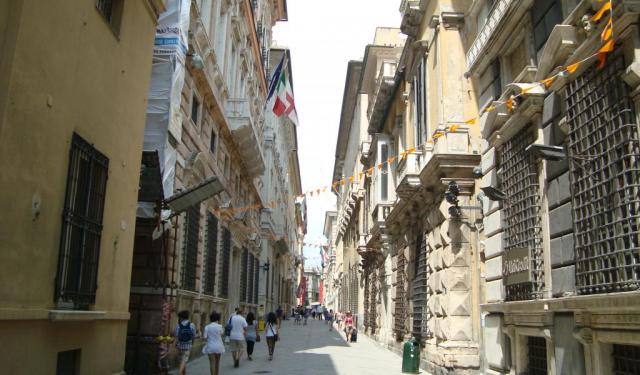
Rolli Palaces Walking Tour
At one point, back in 1576, when the Republic of Genoa was riding high on money, power, and confidence, the city faced a practical question: where do you put visiting kings, princes, and ambassadors? Genoa’s answer was very on brand. Instead of building one grand royal palace, they turned the entire local aristocracy into a hospitality network. The result was the lists of the public lodgings of... view more
Tour Duration: 1 Hour
Travel Distance: 0.4 Km or 0.2 Miles
Tour Duration: 1 Hour
Travel Distance: 0.4 Km or 0.2 Miles
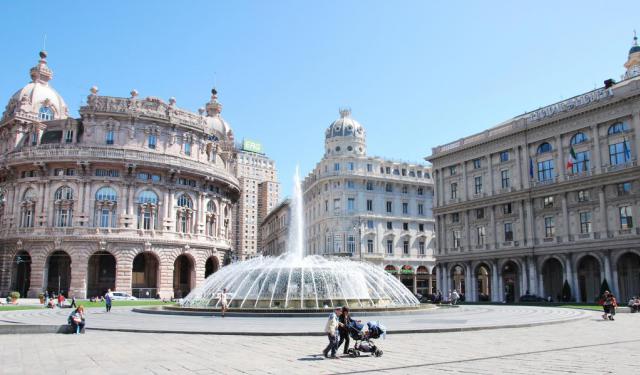
Genoa Introduction Walking Tour
Italian poet Petrarch called Genoa “The Superb One,” and quite fittingly so for a city that built its confidence the hard way-through ships, contracts, and a fierce sense of independence.
Pressed between the Ligurian Sea and the Apennines on a narrow strip of land, Genoa didn’t have much room to spread out, so it looked outward instead. By the Middle Ages, it had become one of the... view more
Tour Duration: 2 Hours
Travel Distance: 3.8 Km or 2.4 Miles
Pressed between the Ligurian Sea and the Apennines on a narrow strip of land, Genoa didn’t have much room to spread out, so it looked outward instead. By the Middle Ages, it had become one of the... view more
Tour Duration: 2 Hours
Travel Distance: 3.8 Km or 2.4 Miles