


Palazzo Bertolli (Bertolli Palace), Lucca
Bertolli Palace (Palazzo Bertolli), an imposing brick structure built between 1910 and 1912, stands just outside the Walled City of Lucca on Viale Cavour. This early 20th-century building is particularly noted for its striking decorative elements and its two distinctive towers with balconies that provide expansive views of the cityscape. Originally built for the Bertolli family, renowned in the olive oil industry, the palazzo is part of an architectural ensemble with Palazzo Lazzareschi Lazzeroni and another Bertolli residence, marking urban expansion beyond Porta S. Pietro.
The building, rectangular in shape, consists of three floors above ground level in addition to an attic. It features a pavilion-style roof covered with Marseillais tiles. Its internal layout is relatively straightforward but has undergone undocumented modifications over the years, particularly to accommodate its later use as a school. These alterations included the installation of an elevator in the two entrance halls. However, the grand granite staircase with its intricate wrought iron banister remains intact.
The façade facing north onto Viale Cavour is heavily ornamented with Art Nouveau-inspired decorations, making it one of the most visually captivating elements of the structure. Notably, the bas-reliefs adorning the window cornices of the upper floors are attributed to the Lucchese sculptor Gugliermo Petroni. The turrets that extend above the roofline further enhance the building’s grandeur, framing the entry doors, which are surmounted by terraces that protrude prominently. The south-facing façade, overlooking the railway, also displays meticulous craftsmanship.
Giuseppe Puccinelli designed the palace as a two-story structure, with a storeroom for Bertolli’s business below and two apartments above. A 1950s concrete extension on the west side added contrast to the original. Acquired by Lucca’s town council in the 1970s, the extension became a gym for "Pertini Institute." Though privately owned and closed to the public, Bertolli Palace remains a key part of Lucca’s early 20th-century architectural heritage.
Want to visit this sight? Check out these Self-Guided Walking Tours in Lucca. Alternatively, you can download the mobile app "GPSmyCity: Walks in 1K+ Cities" from Apple App Store or Google Play Store. The app turns your mobile device to a personal tour guide and it works offline, so no data plan is needed when traveling abroad.
Download The GPSmyCity App



Palazzo Bertolli (Bertolli Palace) on Map
Sight Name: Palazzo Bertolli (Bertolli Palace)
Sight Location: Lucca, Italy (See walking tours in Lucca)
Sight Type: Attraction/Landmark
Sight Location: Lucca, Italy (See walking tours in Lucca)
Sight Type: Attraction/Landmark
Nearby Sights


Walking Tours in Lucca, Italy
Create Your Own Walk in Lucca
Creating your own self-guided walk in Lucca is easy and fun. Choose the city attractions that you want to see and a walk route map will be created just for you. You can even set your hotel as the start point of the walk.
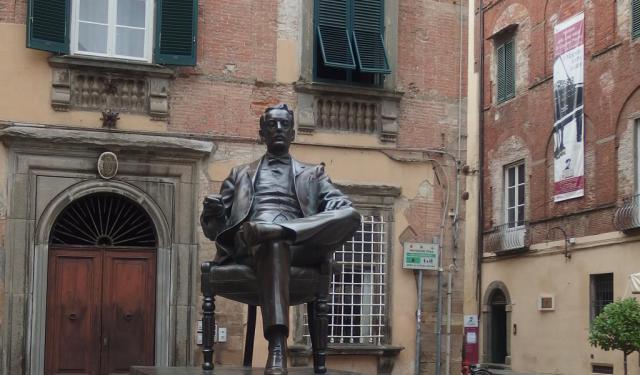
Discover Puccini's Lucca on Foot
One of the greatest musical talents of mankind, Italian composer Giacomo Puccini, was born and spent a substantial part of his life in the Tuscan city of Lucca. Today the legacy of Puccini resonates all over the world and even more so here.
Puccini's ancestors, also musicians, moved to Lucca in 1719. The future maestro was born in a house that had belonged to his family since 1815 - Casa... view more
Tour Duration: 1 Hour
Travel Distance: 1.5 Km or 0.9 Miles
Puccini's ancestors, also musicians, moved to Lucca in 1719. The future maestro was born in a house that had belonged to his family since 1815 - Casa... view more
Tour Duration: 1 Hour
Travel Distance: 1.5 Km or 0.9 Miles
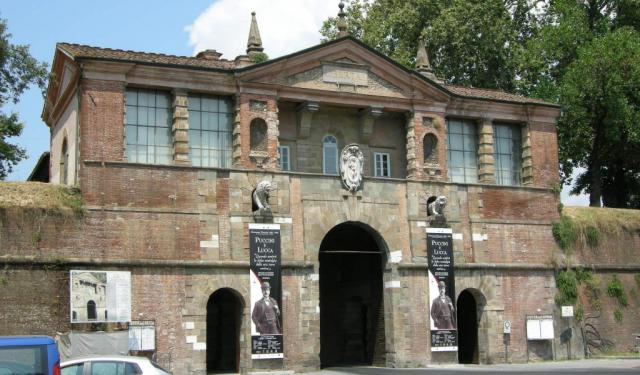
Lucca's City Wall and Gates Walking Tour
Lucca is one of Italy's most celebrated cities of art, renowned for its historic churches, medieval towers, and, above all, its remarkably well-preserved city walls. Encircling the historic center, these impressive fortifications have protected Lucca for centuries and remain one of its most distinctive features.
During the Middle Ages, Lucca's walls stood around 11 to 12 meters high,... view more
Tour Duration: 2 Hours
Travel Distance: 3.7 Km or 2.3 Miles
During the Middle Ages, Lucca's walls stood around 11 to 12 meters high,... view more
Tour Duration: 2 Hours
Travel Distance: 3.7 Km or 2.3 Miles
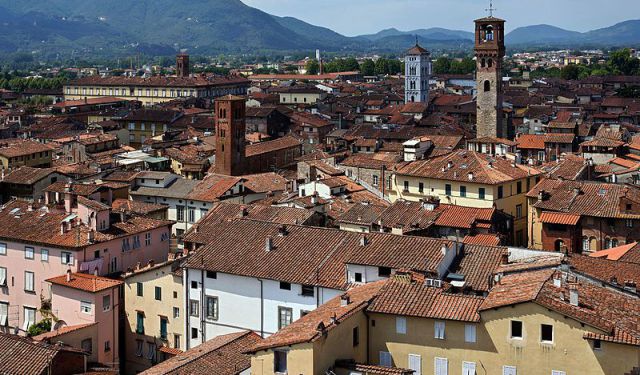
Lucca Old Town Walking Tour
Lucca is known by many names: a city of art, churches, gardens, and towers. But perhaps its most distinctive feature is its remarkable city walls. Fortifications have surrounded Lucca since Roman times, and today, its Renaissance walls remain almost perfectly intact.
Inside the walls, Lucca still follows much of its ancient Roman street plan. Square San Michele occupies the site of the old... view more
Tour Duration: 2 Hours
Travel Distance: 2.9 Km or 1.8 Miles
Inside the walls, Lucca still follows much of its ancient Roman street plan. Square San Michele occupies the site of the old... view more
Tour Duration: 2 Hours
Travel Distance: 2.9 Km or 1.8 Miles
City Walks Overview
