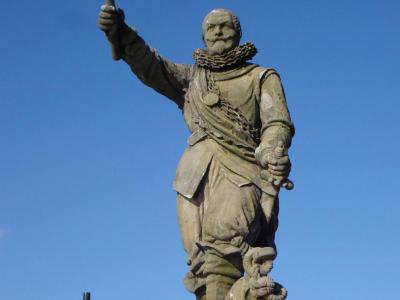


Piet Heyn Monument, Rotterdam
As you approach the square at the end of Piet Heynstraat, the tall stone figure will appear on your right. The Piet Heyn Monument now faces out toward the Achterhaven, so if you stand directly in front of him, the water will be behind you.
Piet Heyn was born in Delfshaven in 1577. He became a naval commander and led expeditions for the Dutch West India Company, achieving lasting fame with the capture of the Spanish Silver Fleet in 1628. The monument was unveiled in 1870.
The easiest way to examine the monument is from the front. First, look at Heyn himself, carved from pale Udelfangen sandstone and standing about three meters high. The man appears to be wearing full-length 17th-century military attire, including a surcoat, high boots, and a prominent ruff around his neck. The sculpture captures the moment when he gives the order to attack enemy privateers of Dunkirk.
In his raised right hand, Heyn holds the commander's staff, while his left hand rests on the sword's hilt. Around his feet are maritime and military details, including an anchor and a cannon. The complete monument, including the pedestal, rises to roughly five meters.
Now, lower your gaze to the pedestal. Made of hard stone, it is decorated with carved weapons and inscriptions. Take your time to walk slowly around it rather than viewing the monument only from the front; the different sides reveal additional sculptural details and lettering.
The monument itself grew out of an unusual local event. In the winter of 1867-68, a temporary snow sculpture of Piet Heyn caused considerable excitement in Delfshaven. Its popularity encouraged the local mayor to campaign for a permanent statue. Bronze proved too expensive, so sandstone was chosen instead. The finished monument was unveiled on October 17, 1870, with King William III and Prince Hendrik among those attending.
Before leaving, turn toward the Achterhaven behind you. The waterside setting is particularly appropriate to commemorate the man whose reputation was made at sea. The statue originally stood elsewhere on Piet Heynsplein and was moved to its present location beside the bridge in the 1960s. Since 1973, it has been protected as a Dutch national monument.
Piet Heyn was born in Delfshaven in 1577. He became a naval commander and led expeditions for the Dutch West India Company, achieving lasting fame with the capture of the Spanish Silver Fleet in 1628. The monument was unveiled in 1870.
The easiest way to examine the monument is from the front. First, look at Heyn himself, carved from pale Udelfangen sandstone and standing about three meters high. The man appears to be wearing full-length 17th-century military attire, including a surcoat, high boots, and a prominent ruff around his neck. The sculpture captures the moment when he gives the order to attack enemy privateers of Dunkirk.
In his raised right hand, Heyn holds the commander's staff, while his left hand rests on the sword's hilt. Around his feet are maritime and military details, including an anchor and a cannon. The complete monument, including the pedestal, rises to roughly five meters.
Now, lower your gaze to the pedestal. Made of hard stone, it is decorated with carved weapons and inscriptions. Take your time to walk slowly around it rather than viewing the monument only from the front; the different sides reveal additional sculptural details and lettering.
The monument itself grew out of an unusual local event. In the winter of 1867-68, a temporary snow sculpture of Piet Heyn caused considerable excitement in Delfshaven. Its popularity encouraged the local mayor to campaign for a permanent statue. Bronze proved too expensive, so sandstone was chosen instead. The finished monument was unveiled on October 17, 1870, with King William III and Prince Hendrik among those attending.
Before leaving, turn toward the Achterhaven behind you. The waterside setting is particularly appropriate to commemorate the man whose reputation was made at sea. The statue originally stood elsewhere on Piet Heynsplein and was moved to its present location beside the bridge in the 1960s. Since 1973, it has been protected as a Dutch national monument.
Want to visit this sight? Check out these Self-Guided Walking Tours in Rotterdam. Alternatively, you can download the mobile app "GPSmyCity: Walks in 1K+ Cities" from Apple App Store or Google Play Store. The app turns your mobile device to a personal tour guide and it works offline, so no data plan is needed when traveling abroad.
Download The GPSmyCity App



Piet Heyn Monument on Map
Sight Name: Piet Heyn Monument
Sight Location: Rotterdam, Netherlands (See walking tours in Rotterdam)
Sight Type: Attraction/Landmark
Guide(s) Containing This Sight:
Sight Location: Rotterdam, Netherlands (See walking tours in Rotterdam)
Sight Type: Attraction/Landmark
Guide(s) Containing This Sight:
Nearby Sights

Walking Tours in Rotterdam, Netherlands

Create Your Own Walk in Rotterdam
Creating your own self-guided walk in Rotterdam is easy and fun. Choose the city attractions that you want to see and a walk route map will be created just for you. You can even set your hotel as the start point of the walk.
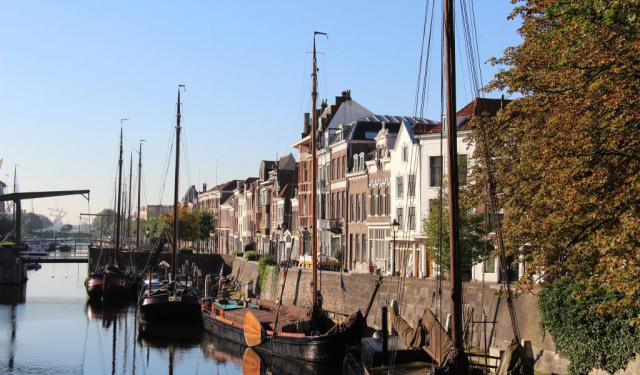
Rotterdam Old Town (Delfshaven) Walking Tour
Part of old Rotterdam, the historic borough of Delfshaven lies on the right bank of the Nieuwe Maas River and has a long maritime past. Until 1886, it was actually a separate municipality, having grown up around the port that served the nearby city of Delft.
Delft itself was not situated on a major river, so in 1389, an outer harbor, known locally as Voorhaven, was created to the south,... view more
Tour Duration: 1 Hour
Travel Distance: 1.3 Km or 0.8 Miles
Delft itself was not situated on a major river, so in 1389, an outer harbor, known locally as Voorhaven, was created to the south,... view more
Tour Duration: 1 Hour
Travel Distance: 1.3 Km or 0.8 Miles
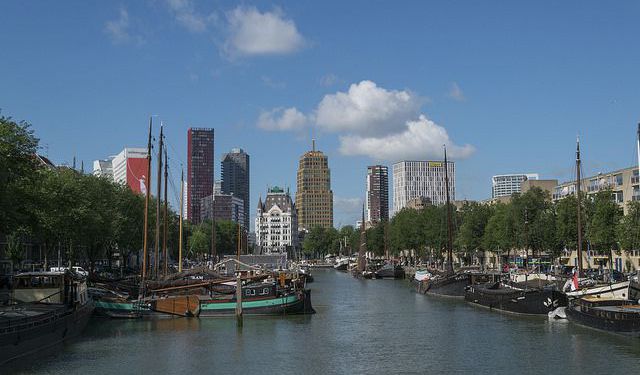
Rotterdam Downtown Walking Tour
Dutch poet Rien Vroegindeweij once captured the city’s essence with a simple line: “If everybody comes from somewhere else, nobody is a stranger.”
The name Rotterdam comes from a straightforward origin: the river Rotte and a dam built across it. The river name “Rotte” is thought to mean “muddy water” or perhaps “hurrying stream”, while the suffix “-dam” refers to the... view more
Tour Duration: 2 Hours
Travel Distance: 3.2 Km or 2 Miles
The name Rotterdam comes from a straightforward origin: the river Rotte and a dam built across it. The river name “Rotte” is thought to mean “muddy water” or perhaps “hurrying stream”, while the suffix “-dam” refers to the... view more
Tour Duration: 2 Hours
Travel Distance: 3.2 Km or 2 Miles
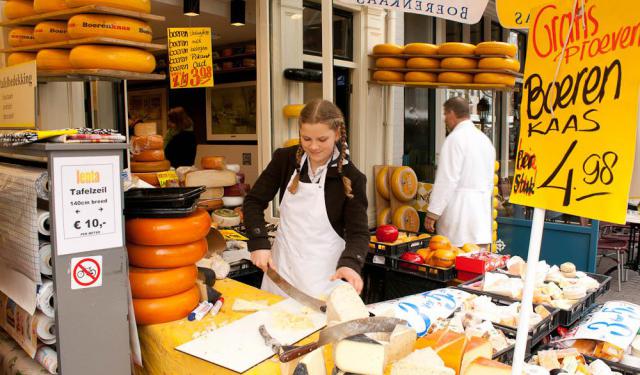
Cheese Shops in Rotterdam
Although many countries claim cheese to be their unique product, Dutch cheeses are indeed an iconic, standalone thing. Amid a cornucopia of different cheeses made in The Netherlands, there are quite a few internationally-famed ones originated in Rotterdam.
It is therefore only natural to find a plethora of specialty shops in the city fit to warm the heart of any cheese lover, be it a finder, a... view more
Tour Duration: 1 Hour
Travel Distance: 1.6 Km or 1 Miles
It is therefore only natural to find a plethora of specialty shops in the city fit to warm the heart of any cheese lover, be it a finder, a... view more
Tour Duration: 1 Hour
Travel Distance: 1.6 Km or 1 Miles
Useful Travel Guides for Planning Your Trip
Souvenirs Shopping: 16 Genuine Dutch Things to Buy in Rotterdam
Just as any other major Dutch destination, Rotterdam is associated with sea, excellent cheeses, marvelous beer, good food and, generally speaking, good taste. A set of gifts from Rotterdam will duly reflect any, if not all, of these qualities. Listed here are some of the items that might prove well...