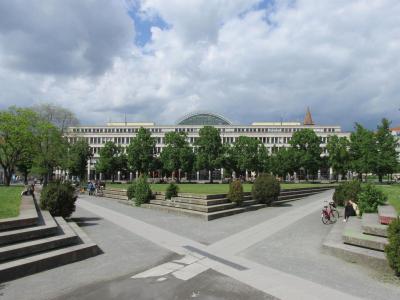


Platz der Einheit (Unity Square), Potsdam
Unity Square, originally known as Wilhelmplatz until 1946, is one of the oldest and most historically significant squares in Potsdam. It was established during the reign of King Friedrich Wilhelm I, known as the "soldier king," and is now a central public transport hub.
Originally, the area was a lake called the Faule See. During Potsdam's expansion in 1724 under Friedrich Wilhelm I, the lake was filled in and replaced with townhouses, starting the square’s development. Due to the marshy land, additional filling was needed in 1831. Master horticulturist Peter Joseph Lenné redesigned the square, naming it Wilhelmplatz after King Friedrich Wilhelm II. A bronze statue of King Friedrich Wilhelm III by August Kiß was added in 1845. In 1862, Lenné redesigned the square again, adding tree rows and diagonal paths to enhance its appearance.
During World War II, much of the surrounding architecture, including a palatial building on the north side and a synagogue, was destroyed, leading to the square's temporary use for agricultural purposes. In 1946, the square was renamed Unity Square (Platz der Unity) to commemorate the forced unification of the SPD and KPD into the SED, a move that remains controversial and has prompted ongoing discussions about a possible renaming since the fall of communism. The bronze statue of Friedrich Wilhelm III was melted down in 1950 during a period of communist iconoclasm.
Unity Square is a large rectangular space measuring approximately 250 by 150 meters. Its design blends classic and modern architecture, featuring expansive lawns, rows of trees, and a distinctive X-shaped crossroads that traverses the center of the lawn. The square's paths are illuminated with a bluish glow at night, adding a modern touch to its historical ambiance.
Originally, the area was a lake called the Faule See. During Potsdam's expansion in 1724 under Friedrich Wilhelm I, the lake was filled in and replaced with townhouses, starting the square’s development. Due to the marshy land, additional filling was needed in 1831. Master horticulturist Peter Joseph Lenné redesigned the square, naming it Wilhelmplatz after King Friedrich Wilhelm II. A bronze statue of King Friedrich Wilhelm III by August Kiß was added in 1845. In 1862, Lenné redesigned the square again, adding tree rows and diagonal paths to enhance its appearance.
During World War II, much of the surrounding architecture, including a palatial building on the north side and a synagogue, was destroyed, leading to the square's temporary use for agricultural purposes. In 1946, the square was renamed Unity Square (Platz der Unity) to commemorate the forced unification of the SPD and KPD into the SED, a move that remains controversial and has prompted ongoing discussions about a possible renaming since the fall of communism. The bronze statue of Friedrich Wilhelm III was melted down in 1950 during a period of communist iconoclasm.
Unity Square is a large rectangular space measuring approximately 250 by 150 meters. Its design blends classic and modern architecture, featuring expansive lawns, rows of trees, and a distinctive X-shaped crossroads that traverses the center of the lawn. The square's paths are illuminated with a bluish glow at night, adding a modern touch to its historical ambiance.
Want to visit this sight? Check out these Self-Guided Walking Tours in Potsdam. Alternatively, you can download the mobile app "GPSmyCity: Walks in 1K+ Cities" from Apple App Store or Google Play Store. The app turns your mobile device to a personal tour guide and it works offline, so no data plan is needed when traveling abroad.
Download The GPSmyCity App



Platz der Einheit (Unity Square) on Map
Sight Name: Platz der Einheit (Unity Square)
Sight Location: Potsdam, Germany (See walking tours in Potsdam)
Sight Type: Attraction/Landmark
Sight Location: Potsdam, Germany (See walking tours in Potsdam)
Sight Type: Attraction/Landmark
Nearby Sights

Walking Tours in Potsdam, Germany

Create Your Own Walk in Potsdam
Creating your own self-guided walk in Potsdam is easy and fun. Choose the city attractions that you want to see and a walk route map will be created just for you. You can even set your hotel as the start point of the walk.
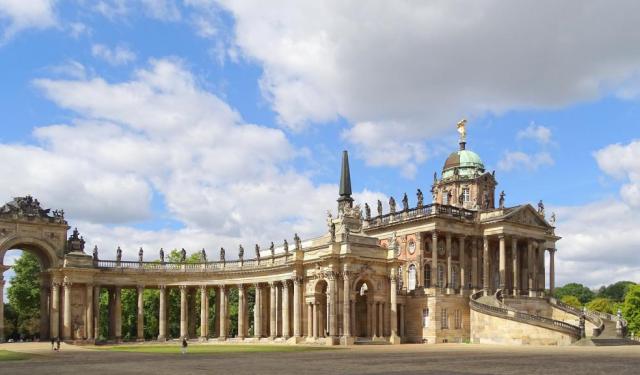
Potsdam City Center and Sanssouci Palace Walking Tour
Potsdam was likely founded during the seventh century by the Hevelli tribe. The town was mentioned by the name of Poztupimi in a document from Emperor Otto III. The name likely came from an old Western Slavonic term roughly meaning "beneath the oaks."
By the early 1300s, a small town had formed with a town charter. By 1573 the town had around 2,000 people living there. Potsdam rose to... view more
Tour Duration: 2 Hour(s)
Travel Distance: 3.8 Km or 2.4 Miles
By the early 1300s, a small town had formed with a town charter. By 1573 the town had around 2,000 people living there. Potsdam rose to... view more
Tour Duration: 2 Hour(s)
Travel Distance: 3.8 Km or 2.4 Miles
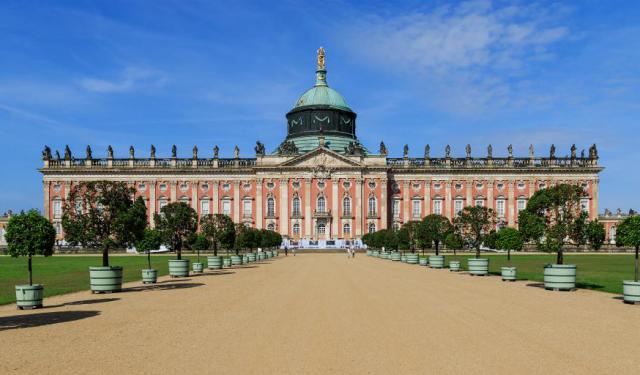
Sanssouci Park Walking Tour
Sanssouci Park is a unique Potsdam landmark that occupies 290 hectares in the heart of the city. The Park is named after the Sanssouci Palace that it surrounds, which in turn takes its name from the French phrase "sans souci", which means carefree, and implies that the palace was designated as a place of fun, rather than a seat of power.
Indeed, the Sanssouci Palace was built in 1747... view more
Tour Duration: 2 Hour(s)
Travel Distance: 3.9 Km or 2.4 Miles
Indeed, the Sanssouci Palace was built in 1747... view more
Tour Duration: 2 Hour(s)
Travel Distance: 3.9 Km or 2.4 Miles
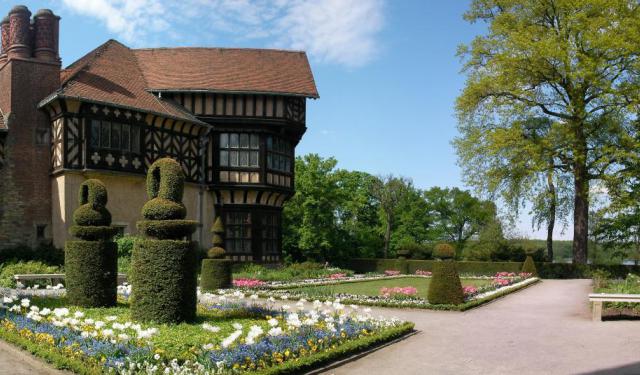
Neuer Garten Walking Tour
Laid out at the behest of Friedrich William II in 1787, Potsdam's Neuer Garten (New Garden) was indeed "new" compared to the already in place Sanssouci Park.
Between 1816 and 1828, the area was modified further as an English-style, open landscape garden, with an aim to reproduce nature – trees and plants were left to grow naturally, unshaped and untrimmed. Rural life was also... view more
Tour Duration: 2 Hour(s)
Travel Distance: 2.8 Km or 1.7 Miles
Between 1816 and 1828, the area was modified further as an English-style, open landscape garden, with an aim to reproduce nature – trees and plants were left to grow naturally, unshaped and untrimmed. Rural life was also... view more
Tour Duration: 2 Hour(s)
Travel Distance: 2.8 Km or 1.7 Miles