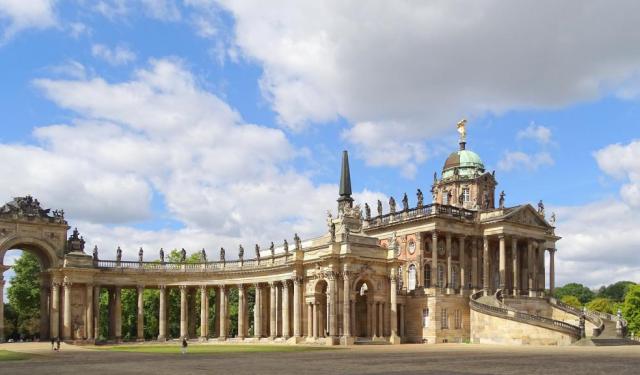


Potsdam Introduction Walking Tour (Self Guided), Potsdam
Potsdam was likely founded during the seventh century by the Hevelli tribe. The town was mentioned by the name of Poztupimi in a document from Emperor Otto III. The name likely came from an old Western Slavonic term roughly meaning "beneath the oaks."
By the early 1300s, a small town had formed with a town charter. By 1573 the town had around 2,000 people living there. Potsdam rose to prominence, however, when it became the hunting residence of Frederick William I, Elector of Brandenburg.
Brandenburg eventually became the Kingdom of Prussia, and Potsdam was a center for European culture and art. Religious freedoms attracted people from all over the continent. Potsdam maintained a steadfast dedication to its pastoral aesthetics with balanced architecture and landscapes.
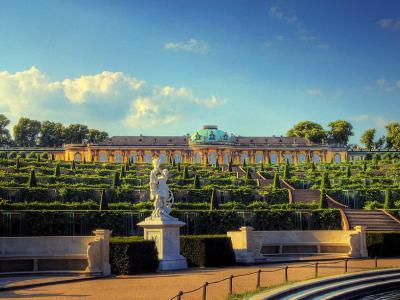
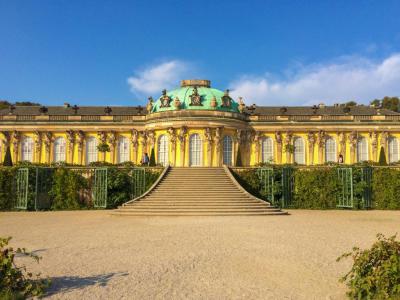
As the city continued to grow, the Prussian royal family eventually settled there. Frederick the Great built many of the royal residences you can see today in the 18th century. Of the many sites you'll see around town from the era, don't miss the Brandenburg Gate, Old Market Square, Sanssouci Palace, and the palace's Terraced Gardens.
Potsdam remained a regional capital during the 19th and 20th centuries, even though the German Empire's principal capital was in nearby Berlin. Unfortunately, like many towns in Germany, Potsdam was severely damaged by World War II bombings.
Inside Potsdam's Cecilienhof Palace, Allied leaders decided to divide Germany after the war--an arrangement often called the Potsdam Agreement. In the following years, an effort was made by the East Germany government to remove many Prussian symbols and buildings, furthering the damage done by the war.
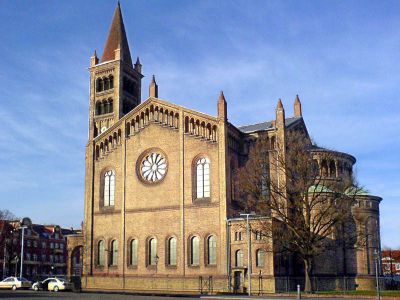
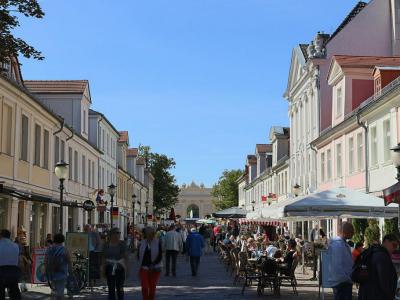
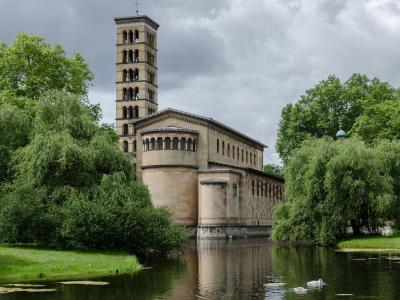
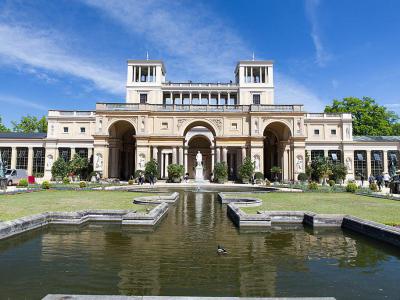
A lot has changed in Potsdam since reunification. Since the early 1990s, many efforts have been made to reconstruct historic structures and reestablish Potsdam to its beautiful historical glory. Don't miss Brandenburger Street for some modern amenities or the beautiful architecture at Saint Peter and Paul Church, Old City Hall, or Orangery Palace.
Potsdam is, without a doubt, one of the most beautiful cities in all of Europe. So get ready to see the sights--join us on this self-guided walking tour of this fantastic city.
By the early 1300s, a small town had formed with a town charter. By 1573 the town had around 2,000 people living there. Potsdam rose to prominence, however, when it became the hunting residence of Frederick William I, Elector of Brandenburg.
Brandenburg eventually became the Kingdom of Prussia, and Potsdam was a center for European culture and art. Religious freedoms attracted people from all over the continent. Potsdam maintained a steadfast dedication to its pastoral aesthetics with balanced architecture and landscapes.
As the city continued to grow, the Prussian royal family eventually settled there. Frederick the Great built many of the royal residences you can see today in the 18th century. Of the many sites you'll see around town from the era, don't miss the Brandenburg Gate, Old Market Square, Sanssouci Palace, and the palace's Terraced Gardens.
Potsdam remained a regional capital during the 19th and 20th centuries, even though the German Empire's principal capital was in nearby Berlin. Unfortunately, like many towns in Germany, Potsdam was severely damaged by World War II bombings.
Inside Potsdam's Cecilienhof Palace, Allied leaders decided to divide Germany after the war--an arrangement often called the Potsdam Agreement. In the following years, an effort was made by the East Germany government to remove many Prussian symbols and buildings, furthering the damage done by the war.
A lot has changed in Potsdam since reunification. Since the early 1990s, many efforts have been made to reconstruct historic structures and reestablish Potsdam to its beautiful historical glory. Don't miss Brandenburger Street for some modern amenities or the beautiful architecture at Saint Peter and Paul Church, Old City Hall, or Orangery Palace.
Potsdam is, without a doubt, one of the most beautiful cities in all of Europe. So get ready to see the sights--join us on this self-guided walking tour of this fantastic city.
How it works: Download the app "GPSmyCity: Walks in 1K+ Cities" from Apple App Store or Google Play Store to your mobile phone or tablet. The app turns your mobile device into a personal tour guide and its built-in GPS navigation functions guide you from one tour stop to next. The app works offline, so no data plan is needed when traveling abroad.
Download The GPSmyCity App



Potsdam Introduction Walking Tour Map
Guide Name: Potsdam Introduction Walking Tour
Guide Location: Germany » Potsdam (See other walking tours in Potsdam)
Guide Type: Self-guided Walking Tour (Sightseeing)
Tour Duration: 2 Hour(s)
Travel Distance: 3.8 Km or 2.4 Miles
Guide Location: Germany » Potsdam (See other walking tours in Potsdam)
Guide Type: Self-guided Walking Tour (Sightseeing)
Tour Duration: 2 Hour(s)
Travel Distance: 3.8 Km or 2.4 Miles
Sights Featured in This Walk
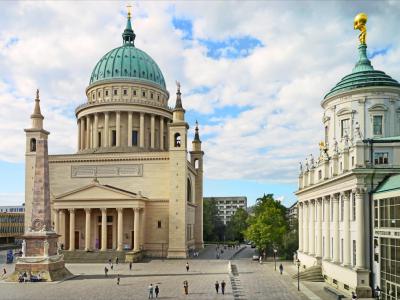
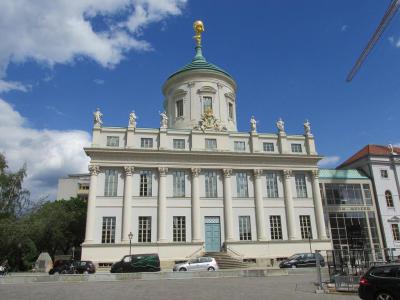
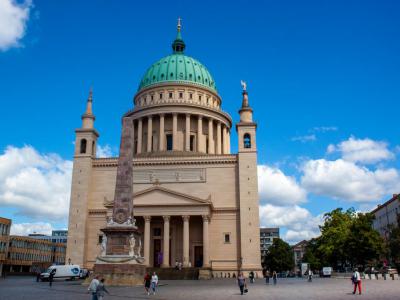
3) St. Nicholas' Church (must see)
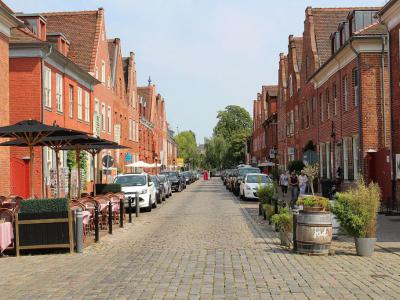
5) Dutch Quarter (must see)
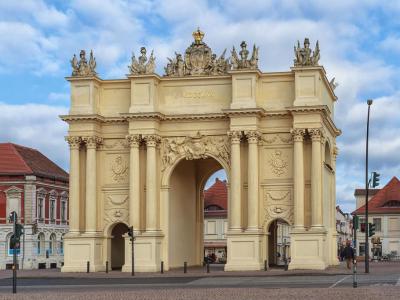
7) Brandenburg Gate (must see)
10) Sanssouci Palace (must see)
11) Orangery Palace (must see)
Walking Tours in Potsdam, Germany

Create Your Own Walk in Potsdam
Creating your own self-guided walk in Potsdam is easy and fun. Choose the city attractions that you want to see and a walk route map will be created just for you. You can even set your hotel as the start point of the walk.
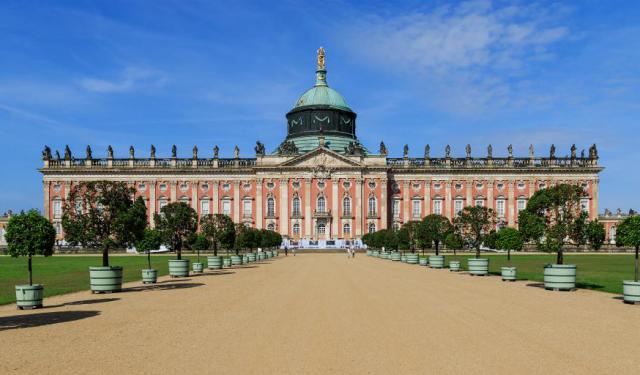
Sanssouci Park Walking Tour
Sanssouci Park is a unique Potsdam landmark that occupies 290 hectares in the heart of the city. The Park is named after the Sanssouci Palace that it surrounds, which in turn takes its name from the French phrase "sans souci", which means carefree, and implies that the palace was designated as a place of fun, rather than a seat of power.
Indeed, the Sanssouci Palace was built in 1747... view more
Tour Duration: 2 Hour(s)
Travel Distance: 3.9 Km or 2.4 Miles
Indeed, the Sanssouci Palace was built in 1747... view more
Tour Duration: 2 Hour(s)
Travel Distance: 3.9 Km or 2.4 Miles
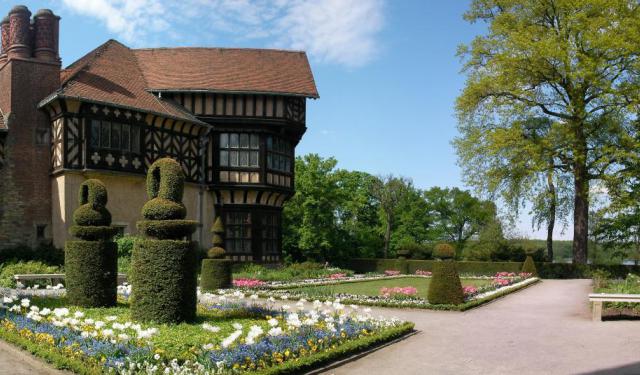
Neuer Garten Walking Tour
Laid out at the behest of Friedrich William II in 1787, Potsdam's Neuer Garten (New Garden) was indeed "new" compared to the already in place Sanssouci Park.
Between 1816 and 1828, the area was modified further as an English-style, open landscape garden, with an aim to reproduce nature – trees and plants were left to grow naturally, unshaped and untrimmed. Rural life was also... view more
Tour Duration: 2 Hour(s)
Travel Distance: 2.8 Km or 1.7 Miles
Between 1816 and 1828, the area was modified further as an English-style, open landscape garden, with an aim to reproduce nature – trees and plants were left to grow naturally, unshaped and untrimmed. Rural life was also... view more
Tour Duration: 2 Hour(s)
Travel Distance: 2.8 Km or 1.7 Miles
The Most Popular Cities
/ view all