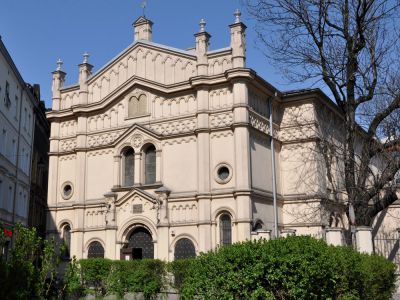


Tempel Synagogue (Synagoga Tempel), Krakow
The Tempel Synagogue stands out as a vivid chapter in the city’s Jewish-life story, blending faith, architectural ambition, and cultural renewal under one roof. Built between 1860 and 1862 on Miodowa Street in the historic district of Kazimierz, it was designed in a style that mixes Moorish Revival and Renaissance Revival influences.
At the time, the synagogue served a Reform (or Progressive) Jewish congregation — a community open to cultural adaptation and liturgical innovation. Services included sermons in Polish and German, choirs (sometimes with women singing), and other elements that more conservative Orthodox communities rejected.
The building itself is distinctive: a central hall rises between lower side aisles, and the interior is richly decorated with polychrome paintings, gold leaf, and unusually colourful stained-glass windows. The windows — 36 in total — are among the best preserved of their kind in Poland.
As the synagogue is quite compact, its highlights can be easily observed. A white marble Torah ark sits in the eastern apse, visible as the furthest point from the entrance when you step inside. The ark’s marble structure and golden dome make it conspicuous, yet it blends seamlessly with the surrounding intricate ceiling and balcony designs. Speaking of the latter, two balconies frame the main hall, known collectively as the Women’s Gallery. As the name suggests, these balconies were designated for women and are embellished with floral motifs and decorative ironwork. Overall, the synagogue exudes a sense of regal grandeur, reminiscent of those in other European centres such as Budapest or Vienna.
During the Second World War, the synagogue suffered under German occupation: the building was repurposed as storage for ammunition and animals, and its religious function was suppressed. After the war, it gradually returned to use — a ritual bath was added in 1947, and although regular services continued for a time, they largely ceased after the 1980s.
Between 1995 and 2000, the synagogue underwent a thorough renovation, restoring both its exterior and interior. Today it remains a protected historical monument and an active venue for cultural events — concerts, gatherings, and especially programmes linked to the annual Jewish Culture Festival in Kraków.
At the time, the synagogue served a Reform (or Progressive) Jewish congregation — a community open to cultural adaptation and liturgical innovation. Services included sermons in Polish and German, choirs (sometimes with women singing), and other elements that more conservative Orthodox communities rejected.
The building itself is distinctive: a central hall rises between lower side aisles, and the interior is richly decorated with polychrome paintings, gold leaf, and unusually colourful stained-glass windows. The windows — 36 in total — are among the best preserved of their kind in Poland.
As the synagogue is quite compact, its highlights can be easily observed. A white marble Torah ark sits in the eastern apse, visible as the furthest point from the entrance when you step inside. The ark’s marble structure and golden dome make it conspicuous, yet it blends seamlessly with the surrounding intricate ceiling and balcony designs. Speaking of the latter, two balconies frame the main hall, known collectively as the Women’s Gallery. As the name suggests, these balconies were designated for women and are embellished with floral motifs and decorative ironwork. Overall, the synagogue exudes a sense of regal grandeur, reminiscent of those in other European centres such as Budapest or Vienna.
During the Second World War, the synagogue suffered under German occupation: the building was repurposed as storage for ammunition and animals, and its religious function was suppressed. After the war, it gradually returned to use — a ritual bath was added in 1947, and although regular services continued for a time, they largely ceased after the 1980s.
Between 1995 and 2000, the synagogue underwent a thorough renovation, restoring both its exterior and interior. Today it remains a protected historical monument and an active venue for cultural events — concerts, gatherings, and especially programmes linked to the annual Jewish Culture Festival in Kraków.
Want to visit this sight? Check out these Self-Guided Walking Tours in Krakow. Alternatively, you can download the mobile app "GPSmyCity: Walks in 1K+ Cities" from Apple App Store or Google Play Store. The app turns your mobile device to a personal tour guide and it works offline, so no data plan is needed when traveling abroad.
Download The GPSmyCity App



Tempel Synagogue (Synagoga Tempel) on Map
Sight Name: Tempel Synagogue (Synagoga Tempel)
Sight Location: Krakow, Poland (See walking tours in Krakow)
Sight Type: Religious
Guide(s) Containing This Sight:
Sight Location: Krakow, Poland (See walking tours in Krakow)
Sight Type: Religious
Guide(s) Containing This Sight:
Walking Tours in Krakow, Poland

Create Your Own Walk in Krakow
Creating your own self-guided walk in Krakow is easy and fun. Choose the city attractions that you want to see and a walk route map will be created just for you. You can even set your hotel as the start point of the walk.
Historical Churches Walking Tour
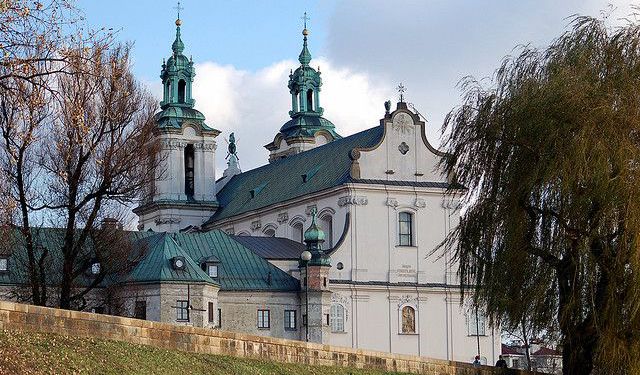
Krakow, the center of religious life in Poland, was once considered “the Northern Rome” for its multitude of churches. Alongside the new temples continuing to appear in the city today, these remarkable sanctuaries, holding deep historical and cultural significance, still remain the most attractive and interesting to look at.
By far the most iconic of these is the Basilica of Saint Mary. A... view more
Tour Duration: 1 Hour(s)
Travel Distance: 2.2 Km or 1.4 Miles
By far the most iconic of these is the Basilica of Saint Mary. A... view more
Tour Duration: 1 Hour(s)
Travel Distance: 2.2 Km or 1.4 Miles
Krakow Introduction Walking Tour
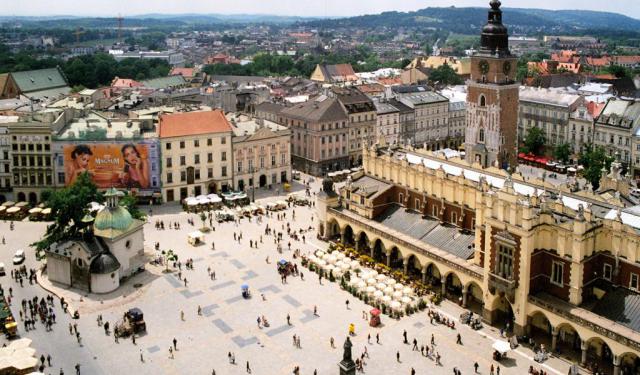
“Kraków has shaped me more than any other place on Earth.” These words from Pope John Paul II brought the city into the global limelight.
The city's name is traditionally linked to Krak, or Krakus, a legendary ruler said to have founded the city after defeating a dragon beneath Wawel Hill. Though the tale is mythological, the name itself derives from this early Slavic personal name,... view more
Tour Duration: 2 Hour(s)
Travel Distance: 3.3 Km or 2.1 Miles
The city's name is traditionally linked to Krak, or Krakus, a legendary ruler said to have founded the city after defeating a dragon beneath Wawel Hill. Though the tale is mythological, the name itself derives from this early Slavic personal name,... view more
Tour Duration: 2 Hour(s)
Travel Distance: 3.3 Km or 2.1 Miles
Historical House Museums Tour
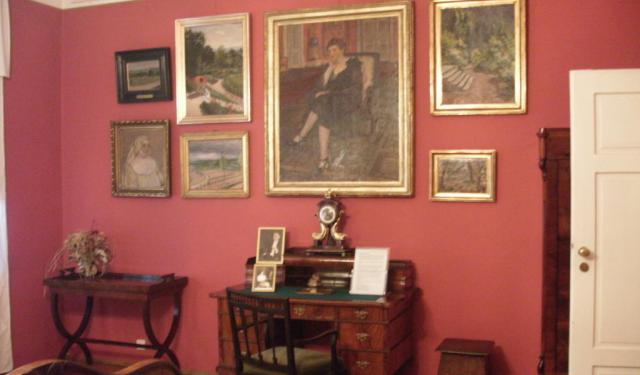
Well-preserved historical buildings can often tell the stories of their city more vividly than any history book. Krakow, the old capital and cultural center of Poland, for many years, has been the home of many important Poles. Today, their former residences have been converted into house museums where visitors can learn about their inhabitants and see what life was like in the past.
One such... view more
Tour Duration: 1 Hour(s)
Travel Distance: 2.0 Km or 1.2 Miles
One such... view more
Tour Duration: 1 Hour(s)
Travel Distance: 2.0 Km or 1.2 Miles
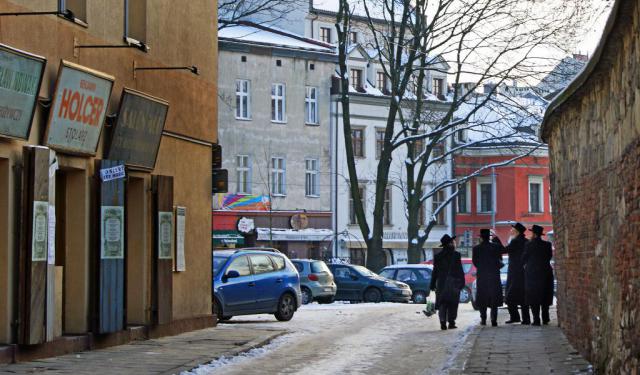
Jewish Heritage Tour in Krakow
The history of Kraków’s Jewish community stands among the most significant chapters of Jewish life in Central Europe. Jews first settled in Kraków in the 13th century, drawn by the city’s expanding trade networks and by greater tolerance compared to other European regions. Early Jewish residents lived mainly around what is today the Old Town and enjoyed a degree of royal protection. However,... view more
Tour Duration: 2 Hour(s)
Travel Distance: 3.0 Km or 1.9 Miles
Tour Duration: 2 Hour(s)
Travel Distance: 3.0 Km or 1.9 Miles