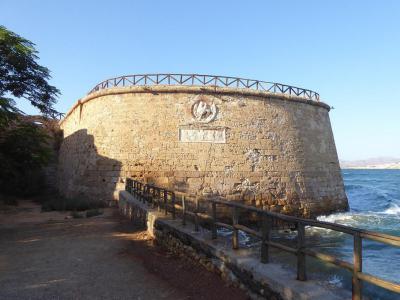


Sabbionara Rampart, Chania
The Sabbionara Rampart, perched on the northeastern edge of Chania’s Venetian-era fortifications, is a rare surviving gate from the outer city wall constructed in the 16th century. Named Sabbionara-Italian for “sand”-because it once opened onto a sandy shoreline, this gate has preserved its steadfast role in the city’s architectural tapestry.
Throughout history, this gate and adjacent rampart have borne the brunt of conflict and change. During the Ottoman siege that led to Chania’s fall in 1645, the gate was destroyed-later rebuilt in more compact form for easier defense-and came to be known as “Kum Kapısı” in Turkish, meaning “Gate of Sand.”
Today the Sabbionara Rampart has been thoughtfully restored and repurposed into an exhibition space, linking Chania’s living culture with its layered past. Visiting the rampart invites contemplation of the city's Venetian and Ottoman eras, the tides of history that shaped them, and the urban fabric they left behind.
Throughout history, this gate and adjacent rampart have borne the brunt of conflict and change. During the Ottoman siege that led to Chania’s fall in 1645, the gate was destroyed-later rebuilt in more compact form for easier defense-and came to be known as “Kum Kapısı” in Turkish, meaning “Gate of Sand.”
Today the Sabbionara Rampart has been thoughtfully restored and repurposed into an exhibition space, linking Chania’s living culture with its layered past. Visiting the rampart invites contemplation of the city's Venetian and Ottoman eras, the tides of history that shaped them, and the urban fabric they left behind.
Want to visit this sight? Check out these Self-Guided Walking Tours in Chania. Alternatively, you can download the mobile app "GPSmyCity: Walks in 1K+ Cities" from Apple App Store or Google Play Store. The app turns your mobile device to a personal tour guide and it works offline, so no data plan is needed when traveling abroad.
Download The GPSmyCity App



Sabbionara Rampart on Map
Sight Name: Sabbionara Rampart
Sight Location: Chania, Greece (See walking tours in Chania)
Sight Type: Attraction/Landmark
Sight Location: Chania, Greece (See walking tours in Chania)
Sight Type: Attraction/Landmark
Nearby Sights



Walking Tours in Chania, Greece

Create Your Own Walk in Chania
Creating your own self-guided walk in Chania is easy and fun. Choose the city attractions that you want to see and a walk route map will be created just for you. You can even set your hotel as the start point of the walk.
Chania Introduction Walking Tour
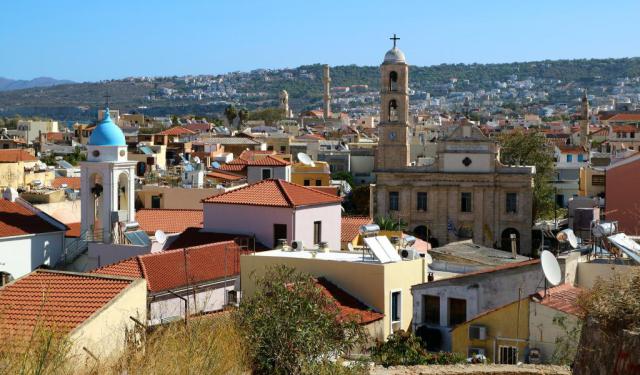
Nineteenth-century English traveler Robert Pashley swore Chania “will repay the traveler a hundredfold.” The story of Chania stretches deep into antiquity. Its earliest name, Kydonia, appears in the epic works of Greek poet Homer and is thought to derive from the quince fruit that once grew in abundance here. Archaeological evidence shows that as early as the 14th century BC, the Minoans built... view more
Tour Duration: 2 Hours
Travel Distance: 3.2 Km or 2 Miles
Tour Duration: 2 Hours
Travel Distance: 3.2 Km or 2 Miles
City Walks Overview
